The meeting, held at IMF headquarters in Washington, was followed by an expanded one attended by Central Bank Gov. Riad Salameh, Lebanese Charge d’Affaires in Washington Carla Jazzar, Hariri adviser Nadim Munla, and a number of high-ranking officials at the IMF. Hariri’s meeting with Lagarde also tackled the repercussions of the Syrian refugee crisis for Lebanon. “Views were identical between the Lebanese vision on how to deal with the impact of displacement and the recommendation of the IMF that focuses on implementing an investment program in infrastructure to stimulate growth and create new job opportunities,” the statement said. It added that the IMF had issued a recommendation identical to the Lebanese government’s vision and policy on dealing with the presence of more than 1 million Syrian refugees in Lebanon.
During the meeting, Hariri asked the IMF to conduct a study to define the negative impact of the Syrian displacement on the Lebanese state’s budget, the statement added. There are an estimated 1.5 million Syrian refugees living in Lebanon, according to government estimates, straining the country’s battered economy and weak infrastructure. Before leaving Washington Friday, Hariri met with Sens. James Lankford and Jeff Merkley on Capitol Hill. Discussions with the two senators focused on the legislation related to Lebanon being studied by Congress, a statement issued by Hariri’s office said, referring to the anti-Hezbollah sanctions.
Hariri also met with a delegation from the American Task Force for Lebanon headed by its president, Edward Gabriel. The meeting covered various aspects of the situation in Lebanon, the statement said. Hariri also visited Capitol Hill Thursday, meeting with the Senate Foreign Relations Committee, chaired by Sen. Bob Corker with ranking member Sen. Ben Cardin. He was joined by Foreign Minister Gebran Bassil and other members of the Lebanese delegation. “Discussions focused on the situation in Lebanon and Lebanese-U.S. relations,” the statement said. Hariri had earlier met with House minority leader Rep. Nancy Pelosi, House majority leader Rep. Kevin McCarthy, House Foreign Affairs Committee chair Rep. Ed Royce and Rep. Liz Cheney.

by https://phys.org - In the most recent whole-genome study of ancient remains from the Near East, Wellcome Trust Sanger Institute scientists and their collaborators sequenced the entire genomes of 4,000-year-old Canaanite individuals who inhabited the region during the Bronze Age, and compared these to other ancient and present-day populations. The results, published today (27 July) in the American Journal of Human Genetics suggest that present-day Lebanese are direct descendants of the ancient Canaanites.The Near East is often described as the cradle of civilisation. The Bronze Age Canaanites, later known as the Phoenicians, introduced many aspects of society that we know today - they created the first alphabet, established colonies throughout the Mediterranean and were mentioned several times in the Bible. However, historical records of the Canaanites are limited. They were mentioned in ancient Greek and Egyptian texts, and the Bible which reports widespread destruction of Canaanite settlements and annihilation of the communities. Experts have long debated who the Canaanites were genetically, what happened to them, who their ancestors were and if they had any descendants today.
In the first study of its kind, scientists have uncovered the genetics of the Canaanite people and a firm link with people living in Lebanon today. The team discovered that more than 90 per cent of present-day Lebanese ancestry is likely to be from the Canaanites, with an additional small proportion of ancestry coming from a different Eurasian population. Researchers estimate that new Eurasian people mixed with the Canaanite population about 2,200 to 3,800 years ago at a time when there were many conquests of the region from outside.
By RT President Trump agreed with Lebanese Prime Minister Saad Hariri they will continue to fight terrorism. Falling short of mentioning …
by Alanna Martinez • Observer.com – A private art organization in Beirut has big plans for the city’s downtown: Come 2020, the …

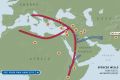
Population Movements to Keserwan - The Khazens and The Maans
ما جاء عن الثورة في المقاطعة الكسروانية
ثورة أهالي كسروان على المشايخ الخوازنة وأسبابها
Origins of the "Prince of Maronite" Title
Growing diversity: the Khazin sheiks and the clergy in the first decades of the 18th century
Historical Members:
Barbar Beik El Khazen [English]
Patriach Toubia Kaiss El Khazen(Biography & Life Part1 Part2) (Arabic)
Patriach Youssef Dargham El Khazen (Cont'd)
Cheikh Bishara Jafal El Khazen
Patriarch Youssef Raji El Khazen
The Martyrs Cheikh Philippe & Cheikh Farid El Khazen
Cheikh Nawfal El Khazen (Consul De France)
Cheikh Hossun El Khazen (Consul De France)
Cheikh Abou-Nawfal El Khazen (Consul De France)
Cheikh Francis Abee Nader & his son Yousef
Cheikh Abou-Kanso El Khazen (Consul De France)
Cheikh Abou Nader El Khazen
Cheikh Chafic El Khazen
Cheikh Keserwan El Khazen
Cheikh Serhal El Khazen [English]
Cheikh Rafiq El Khazen [English]
Cheikh Hanna El Khazen
Cheikha Arzi El Khazen
Marie El Khazen