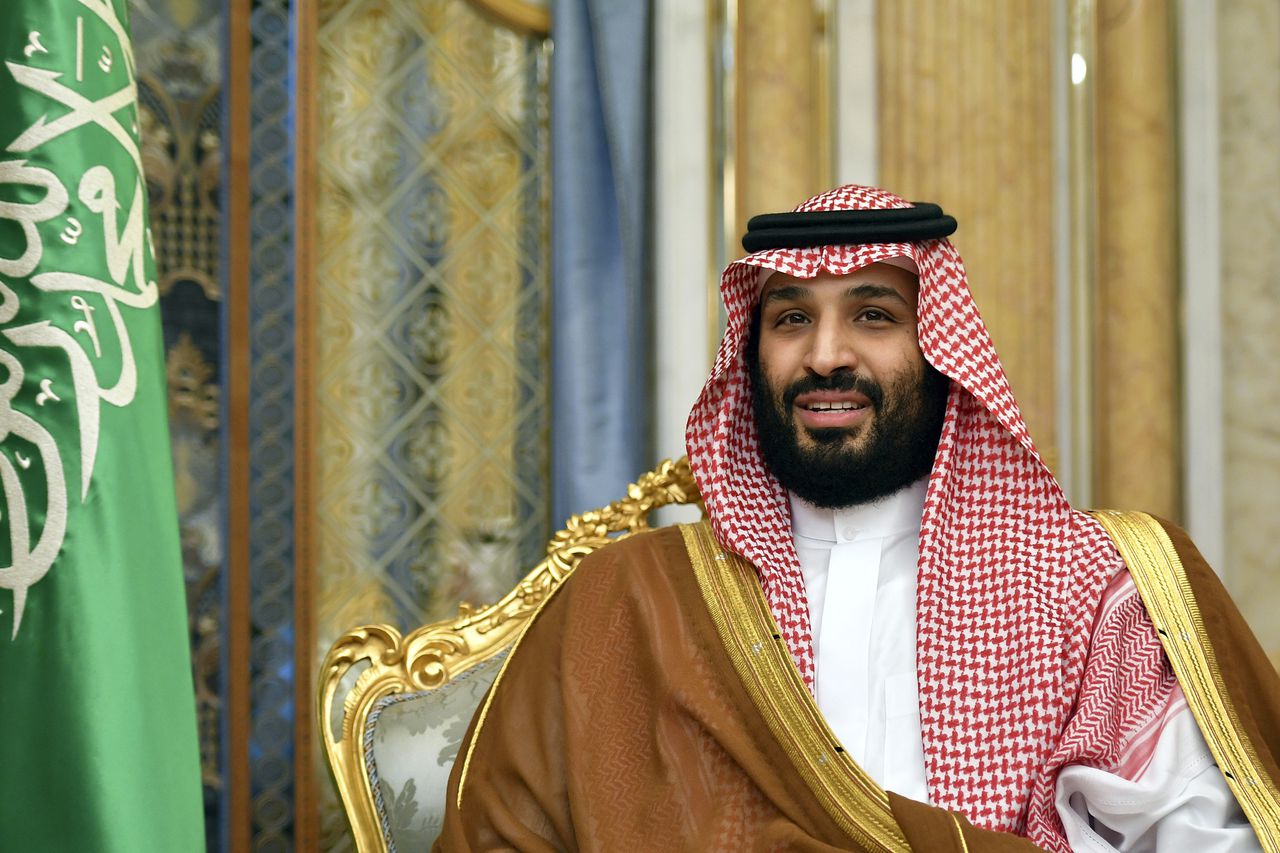
By insider@insider.com -- Natalie Armbruster -- This month, Chinese President Xi Jinping arrived in Riyadh for a three-day visit which included a bilateral meeting between China and Saudi Arabia, a Gulf-China summit, and an Arab-China summit, coming to a consensus on China-Saudi energy and technology cooperation. Throughout the visit, Western media has been quick to conclude that the deals are a message to the West — a snub to Washington and President Joe Biden. However, to assume that China views the Middle East through the same lens the United States has used for the last 30 years is a mistake. China has long assessed US involvement in the Middle East to be damaging to American power and strength. Xi's visit, and China's interest, investment, and involvement in the Middle East, have far more to do with shared economic interests and a stable energy supply than any potential security alliance or geopolitical aspirations.
The first thing to know is China's involvement in the Middle East rests primarily on its energy dependence. In 2021, 72% of China's crude oil consumption was imported. The Middle East accounted for 50% of these imports. China alone accounted for more than one-quarter of Saudi Arabia's crude oil exports as well. As long as China remains reliant on external sources of oil and Saudi Arabia is looking to make a profit, it is only natural for Saudi Arabia and China to expand their economic cooperation — bilateral trade which currently amounts to $87.3 billion. This remains true for China's heavy investment in the Middle East through the Belt and Road Initiative. China's BRI investments have focused largely on the construction of ports and industrial parks in countries such as Egypt, Oman, Saudi Arabia, or the United Arab Emirates. One needs to know little about geography to observe that China's investments center around secure and stable access to vital energy and trade chokepoints: the Persian Gulf, the Gulf of Oman, the Red Sea, the Bab al-Mandeb Strait, the Strait of Hormuz, the Suez Canal, etc.
Meet Lebanese expat who went from waiting tables as a teenager to running a drone company in the UAE

by Hina Navin gulfnews.com -- Rabih Bou Rached, a UAE-based Lebanese expat in his 40s, saw himself as an entrepreneur for as long as he can remember. But before setting off on a decades-long entrepreneurial journey, he recalls waiting on tables in his teenage years. But even though it was a low-paying job as a restaurant attendant, it gave him an influx of money because of how well he was tipped. After working in the Food and Beverage (F&B) industry, Bou Rached went on to set up a restaurant by age 21, equipped with the financial lessons he learnt.
"In my teens, I didn't know how to save or invest my money and spent most of what I made on unnecessary expenses. Over time, I learned how to save and, more importantly, evaluate and decide what expenses were necessary," said Bou Rached, who now runs a commercial drone service provider. His chance encounter with drones in 2013 became a light bulb moment for him when he realised the potential impact this technology could have in different industries. Since then, it has been his resolve to launch a drone-operated commercial service company in the UAE.
Gaining business experience before entrepreneurship
By Jagmeet Singh — techcrunch — WhatsApp has introduced a feature to undo the “Delete for Me” action to save you from …
This is an opinion article and does may not represent khazen.org opinion -
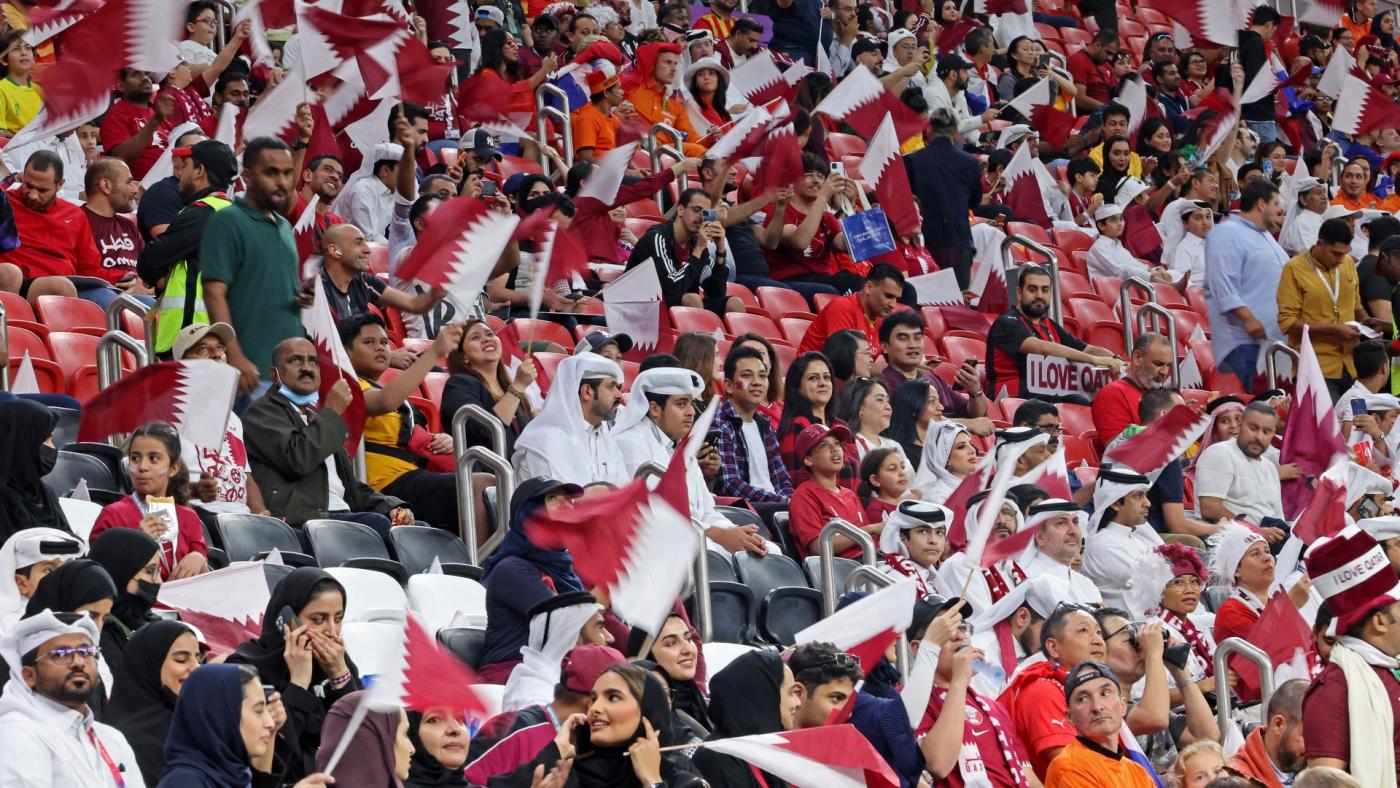
By Jules Boykoff and Dave Zirin --- The winner of the Qatar men’s World Cup is not Argentina, who won the greatest match in finals in history, or even the upstart semifinalist Morocco. It is neither the Golden Boot winner, the otherworldly Kylian Mbappe of France, nor the Golden Ball winner, the legendary Argentinian Lionel Messi. The champion is Qatar, and they didn’t have to win a match. The World Cup host country looks to have successfully—with the West’s full complicity—engaged in brazen sportswashing, earning plaudits and envy from authoritarians the world over.
2022 has unquestionably been the year of sportswashing. Political leaders, authoritarian and democratic alike, used sports mega-events to distract from their crimes and lies. Qatar executed its sportswash brilliantly, and despots—and those aspiring to be such tyrants—are noticing the dividends the country is reaping. The Western wannabe despots were on display as camera captured Elon Musk and seditious Trump-son-in-law Jared Kushner standing unsmiling in a luxury box with gulf state authoritarians. The sportswash, thanks to activists and campaigners across the globe, was not always smooth.




Population Movements to Keserwan - The Khazens and The Maans
ما جاء عن الثورة في المقاطعة الكسروانية
ثورة أهالي كسروان على المشايخ الخوازنة وأسبابها
Origins of the "Prince of Maronite" Title
Growing diversity: the Khazin sheiks and the clergy in the first decades of the 18th century
Historical Members:
Barbar Beik El Khazen [English]
Patriach Toubia Kaiss El Khazen(Biography & Life Part1 Part2) (Arabic)
Patriach Youssef Dargham El Khazen (Cont'd)
Cheikh Bishara Jafal El Khazen
Patriarch Youssef Raji El Khazen
The Martyrs Cheikh Philippe & Cheikh Farid El Khazen
Cheikh Nawfal El Khazen (Consul De France)
Cheikh Hossun El Khazen (Consul De France)
Cheikh Abou-Nawfal El Khazen (Consul De France)
Cheikh Francis Abee Nader & his son Yousef
Cheikh Abou-Kanso El Khazen (Consul De France)
Cheikh Abou Nader El Khazen
Cheikh Chafic El Khazen
Cheikh Keserwan El Khazen
Cheikh Serhal El Khazen [English]
Cheikh Rafiq El Khazen [English]
Cheikh Hanna El Khazen
Cheikha Arzi El Khazen
Marie El Khazen