Khazen

Performing Duties of Deputy Under Secretary of Defense for Policy Dr. Mara Karlin Meeting With Lebanese Chief of Defense Gen. Joseph

by miragenews.com — Department of Defense Spokesperson Commander Jessica L. McNulty provided the following readout: Performing the Duties of Deputy Under Secretary of Defense for Policy Dr. Mara Karlin and Lebanese Chief of Defense Gen. Joseph Aoun met today in the Pentagon to discuss the U.S.-Lebanon bilateral defense partnership and shared security interests. Dr. Karlin […]

Read more
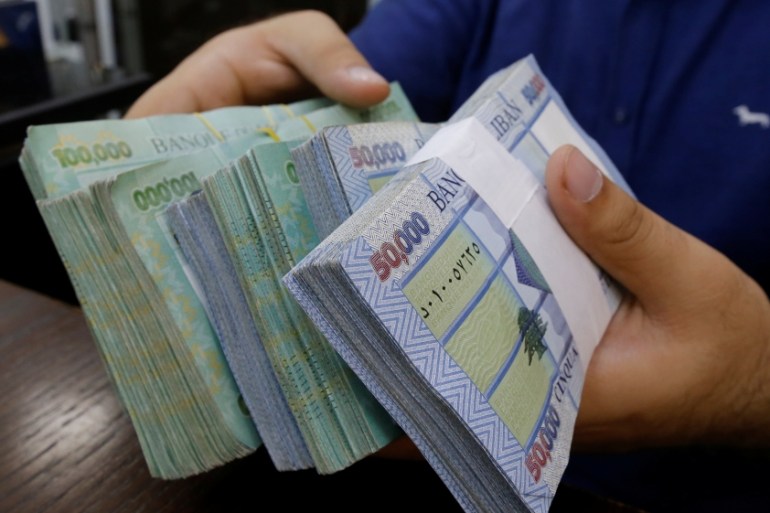
Lebanese carry ‘worthless’ stacks of cash after currency crash

Lebanon eases currency withdrawals in step towards liraficaition |  Coronavirus pandemic | Al Jazeera

BEIRUT,  (Reuters) – Restaurant owner Antoine Haddad has been in business for over 35 years but says he is running out of hope as Lebanon struggles with one of the deepest financial crises of modern times. The Lebanese pound lost around 90% of its value in the past two years, propelling three quarters of the population into poverty. For Haddad, the difference between this and other crises that Lebanon has experienced, including the 1975-1990 civil war, is that it feels like there is no end in sight. “Previously, you had hope that: ‘tomorrow the war will end, we do this and that and go back to where we were’, but this time there is no hope,” he said. “They (those in power) promised us we would have plenty of money in our hands, and we indeed have a lot of it to play with,” he said sarcastically referring to the growing stacks of banknotes needed for even basic purchases after the currency drop. Haddad, whose small restaurant has been in business since 1984, said he can only buy 10% of the olive oil he used to buy with the same money.

The government, facing an election in March as it tries to secure an IMF recovery plan, has tripled transport allowance for employees to alleviate some of the pain but most salaries, including the minimum wage, have not been adjusted. Pub-owner Moussa Yaakoub is also taken aback by the amount of cash he needs to run his business. “I have never before held in my hands this amount of money,” he said as he counted some 10 million pounds, worth $6,600 at the pre-crisis rate but now less than $500 at the market rate. That much money used to cover a pub’s operation for months, but now only pays a couple of bills, he said.

Read more
Lebanese newspaper The Daily Star closes

BEIRUT, Nov 2 (Reuters) – The English-language Lebanese newspaper The Daily Star has told its staff they will all be laid off, joining a list of Lebanese media outlets that have been forced to close or scale back due to financial pressures. In a message to staff, The Daily Star management said the decision to […]

Read more
سعي حزب الله للإطاحة برئيس الجمهورية الأسبق ميشال سليمان

Michel Suleiman - Wikipedia

جريدة الوطن السعودية:
سعي حزب الله للإطاحة برئيس الجمهورية الأسبق ميشال سليمان، الذي أطلق بيان بعبدا المؤكد على حيادية لبنان ضد الصراعات في المنطقة، والرافض لتدخل حزب الله العسكري في سوريا والعراق.
https://www.alwatan.com.sa/ampArticle/1091253

نداء الوطن
كان ذلك الهامش موجوداً أيّام الرئيس ميشال سليمان الذي حاول، بمعزل عن الظروف الدوليّة والاقليميّة إلى إبقاء النقاش حول الخطة الدفاعيّة حيّاً بشكل أو بآخر. هذا ما لا يحصل اليوم.
https://www.nidaalwatan.com/article/amp/61079/لبنان-والعرب-العودة-حتمية

الشرق
فعلى الأقلّ الحياد الذي طالب به البطريرك الراعي ومن خلفه اللبنانيون نصّ عليه اتفاق بعبدا قبل تسع سنوات في بنده الثاني عشر الذي نصّ على “تحييد لبنان عن سياسة المحاور والصراعات الإقليميّة والدوليّة وتجنيبه الانعكاسات السلبيّة للتوتّرات والأزمات الإقليميّة، وذلك حرصاً على مصلحته العليا ووحدته الوطنيّة وسلمه الأهلي، ما عدا ما يتعلق بواجب التزام قرارات الشرعيّة الدوليّة والإجماع العربي والقضيّة الفلسطينيّة المحقّة، بما في ذلك حقّ اللاجئين الفلسطينيين في العودة إلى أرضهم وديارهم وعدم توطينهم”، وكذلك مطالبة البطريرك بتطبيق المقررات الدولية وهو بند الرابع عشر الذي نصّ عليه اتفاق بعبدا عام 2012 “إلتزام القرارات الدوليّة،

https://www.elsharkonline.com/هوامش-بقلم-ميرفت-سيوفي-الحياد-أو-النّأي-بالنّفس/2021/11/03/مقالات/

Read more
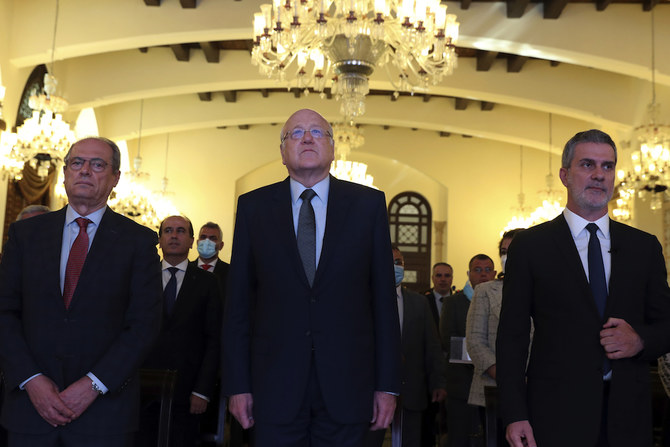
Lebanese PM visits Saudi Arabia’s pavilion at COP26 amid Gulf row

Lebanese PM visits Saudi Arabia’s pavilion at COP26 amid Gulf row

by Najia Houssari — arabnews.com — BEIRUT: Lebanese Prime Minister Najib Mikati visited Saudi Arabia’s pavilion at the UN Climate Change Conference, amid attempts to ease the diplomatic and economic fallout triggered by a government minister’s remarks on the war in Yemen. Mikati was received at the pavilion by the Kingdom’s ambassador to the UK, Prince Khalid bin Bandar Al-Saud, who explained his country’s vision for the environment, a green economy, and climate change. The prime minister praised the green initiatives launched by Saudi Crown Prince Mohammed bin Salman, and he also visited the UAE’s pavilion at COP26. Lebanese Information Minister George Kordahi has caused anger by saying the Iran-backed Houthis were defending themselves in Yemen and that the war should stop. Gulf states, led by Saudi Arabia, have recalled their ambassadors from Lebanon and also instructed Lebanon’s ambassadors to leave.

Kordahi has not quit despite a request from Mikati, and his refusal to resign has the backing of Hezbollah and the Marada Movement. Saudi Arabia said Kordahi’s stance reflected Hezbollah’s hegemony over Lebanon. A delegation of economic bodies met Lebanon’s Maronite Patriarch Bechara Al-Rahi on Tuesday to express their concern about the damage being done to the country and its people. The secretary-general of the economic bodies, Nicolas Chammas, said: “We condemn all that is happening today between Lebanon and the Arab countries, especially Saudi Arabia. The Kingdom has been the leader of the Gulf Cooperation Council for the past 70 years. 

Read more
Lebanon says it wants dialogue with Saudi Arabia, not demands about Hezbollah

Lebanese FM Abdallah Bou Habib during an interview with Reuters at his office in Beirut, Nov. 2, 2021. (Reuters)

by reuters — Lebanon’s foreign minister said Saudi Arabia was dictating impossible terms by asking the government to reduce the role of Iran-backed Hezbollah, adding Beirut’s row with Riyadh be resolved if the kingdom agreed to a dialogue with the new Lebanese cabinet. “If they just want Hezbollah’s head on a plate, we can’t give them that,” the minister, Abdallah Bou Habib, told Reuters in an interview on Tuesday. “Hezbollah is a component of politics in Lebanon. It has a regional armed dimension, yes, but this is beyond what we can resolve,” he said. Lebanon is facing its worst rift yet with Gulf Arab states, spurred by a minister’s critical comments about the intervention in Yemen that described the war there as futile.

Saudi Arabia and some Gulf Arab allies have reacted angrily to the remarks made by the information minister in an interview last week, which he’d filmed before taking up his position in cabinet. Riyadh expelled Lebanon’s ambassador, banned all imports from Lebanon and recalled its envoy for consultations. Kuwait and Bahrain followed suit by expelling the top envoys in their own capitals, while the United Arab Emirates withdrew all its diplomats from Beirut. Saudi Arabia has said its actions were driven not just by George Kordahi’s comments but rather were rooted in its objection to the increasing dominance of Hezbollah over Lebanese politics. The row is part of a longstanding feud between Saudi Arabia and Iran that has played out in proxy conflicts across the region, from Yemen to Syria to Iraq. Gulf states are traditional aid donors to Lebanon but for several years have been increasingly dismayed by Hezbollah’s expanding power, and have so far been loathe to help rescue Lebanon from a devastating economic crisis.

Read more
Analysis-Lebanon is dragged back into eye of Iranian-Saudi storm

Why Saudi Arabia and Iran are bitter rivals - BBC News

By Tom Perry and Ghaida Ghantous BEIRUT (Reuters) – Already mired in economic collapse, Lebanon is facing a blast of Gulf Arab anger after a prominent broadcaster-turned-minister levelled blunt criticism at Saudi Arabia, in a row that has further strained Beirut’s ties with once generous benefactors. Many ordinary Lebanese fear it is they who will pay the price for the diplomatic deep freeze provoked by the latest spat, which has roots in a long-running rivalry between Saudi Arabia and Iran that underpins conflicts across the Middle East. Saudi Arabia and its fellow Gulf Arab monarchies once spent billions of dollars in aid in Lebanon, and still provide jobs and a haven for much of Lebanon’s huge diaspora. But the friendship has been strained for years by the growing influence of Lebanon’s powerful Iran-backed Hezbollah movement.

Gulf Arab ties with Lebanon hit a new nadir last week when George Kordahi, a former gameshow host recently appointed information minister, appeared in an interview speaking in support of Yemen’s Iran-aligned Houthis and criticising the Saudi-led forces they are fighting. For Riyadh, whose sway in Lebanon has waned as Tehran’s has grown, Kordahi’s comments were just a symptom of Hezbollah’s continued dominance of the political scene, though they were recorded before he took office. Coming as the Houthis advance in Yemen, the fallout of his comments underlines the depth of Iranian-Saudi rivalries. Gulf concerns about Tehran have been stoked by a lack of progress in U.S.-led efforts to revive a deal curbing Iran’s nuclear work. Saudi Arabia and other U.S.-allied Gulf states have long struggled to counter the influence Tehran has carved out across the region by arming, training and financing Shi’ite Muslim groups modelled after Hezbollah, which it founded in 1982.

Read more
Mikati fears slippery slope if Lebanese-Saudi crisis is not resolved

Mikati fears slippery slope if Lebanese-Saudi crisis is not resolved

By Najia HOUSSARI — arabnews.com — BEIRUT: Lebanon’s Prime Minister Najib Mikati said on Monday Beirut faces a slippery slope in its growing diplomatic row with the Gulf following controversial comments made by Information Minister George Kordahi on the Arab coalition’s intervention in Yemen. Mikati, who is in Scotland to participate in the COP26 climate summit, sent a message on Monday via WhatsApp to government ministers, in which he wrote that he had “asked Kordahi to prioritize his patriotism over everything else, but this has not happened.” Mikati added: “We are consequently facing a slippery slope.” The prime minister also said: “If we do not resolve this crisis quickly, we will fall into a disaster that none of us wants. God bears witness that I have warned against this.” Kordahi has failed so far to apologize for his remarks, and appeared to rule out offering his resignation in a statement on Sunday.

Saudi Arabia believes Kordahi’s statements to be offensive and represent “a new episode of reprehensible and rejected positions issued by Lebanese officials towards the Kingdom and its policies, in addition to Beirut’s failure to take the measures to stop the export of narcotics from Lebanon.” Beirut has not yet taken any measure to restore ties between the two states, nor Lebanon’s relations with other Gulf nations that have shown solidarity with Saudi Arabia, especially Kuwait, Bahrain and the UAE. Mikati’s warning came as DHL in Lebanon returned mail and goods to customers who wanted them shipped to Saudi Arabia. “The DHL administration was informed by the company’s branch in Saudi Arabia on Saturday that no packages can be shipped to the Kingdom, but there are no instructions so far regarding the fate of shipments from Saudi Arabia to Lebanon,” a source told Arab News on Monday, adding “we have returned all packages to our customers and we are yet to receive new instructions.”

Read more