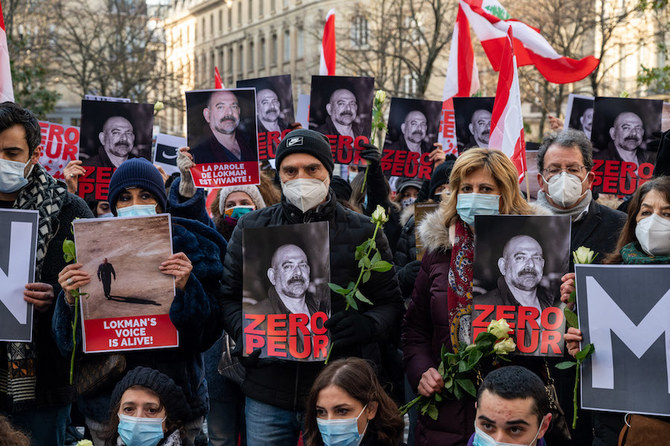
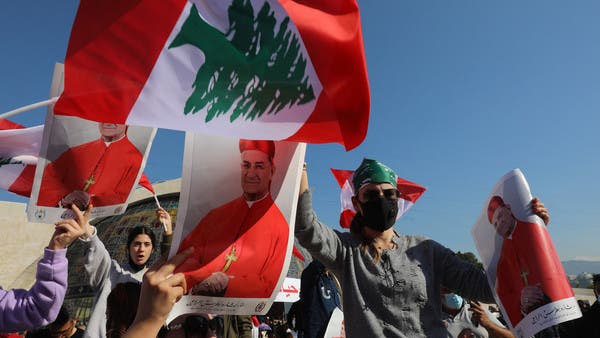
by english.aawsat.com — Protesters blocked some roadways in Lebanon for a second day on Wednesday after the currency’s fall to a new low further enraged a population long horrified by the country’s financial meltdown. In the past year, Lebanon has been through a popular uprising against its political leaders, the bankruptcy of the state and banking system, a COVID-19 pandemic and, in August, a huge blast that killed 200 people and destroyed parts of Beirut. The financial crisis has wiped out jobs, raised warnings of growing hunger and locked people out of their bank deposits.
Lebanese President Michel Aoun said in a tweet that he had asked the central bank governor for an inquiry into the reasons behind the country’s latest currency tumble and stressed that returning access to deposits was a leading goal. “The main priority remains refunding depositors’ money …illicit and suspect practices are the main reason behind the loss of a large sum of deposits,” a statement said. The collapse of the Lebanese pound, which fell to 10,000 to the dollar on Tuesday, slashed about 85% of its value in a country relying heavily on imports. It was the last straw for many who have seen prices of consumer goods such as diapers or cereals nearly triple since the crisis erupted. Demonstrators burnt tires and rubbish containers across many parts of Lebanon to block roads on Tuesday night.
![A one hundred US dollar banknote sits on top of Lebanese pound banknotes in this arranged photograph in Beirut, Lebanon, on July 21, 2020 [Hasan Shaaban/Bloomberg via Getty Image]](https://i1.wp.com/www.middleeastmonitor.com/wp-content/uploads/2021/03/GettyImages-1227736994-scaled-e1614709846163.jpg?resize=1200%2C800&quality=85&strip=all&zoom=1&ssl=1)