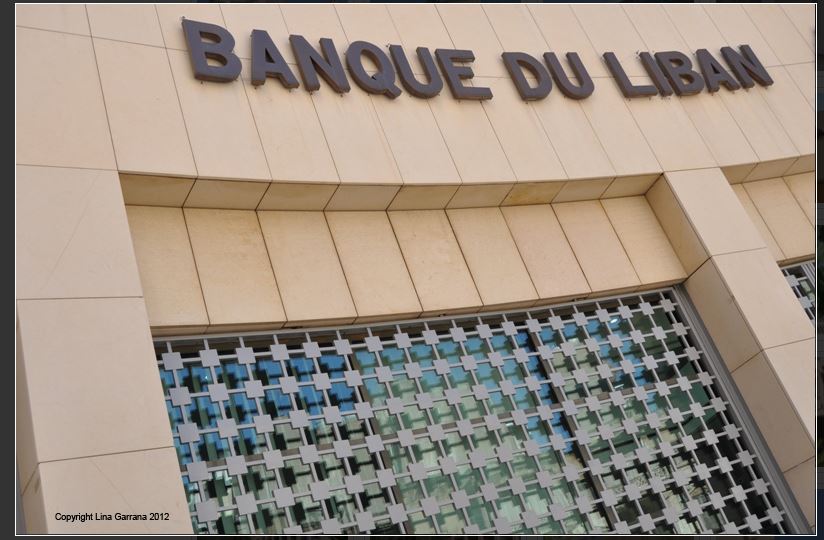
By George Eid and Andrew Rosenbaum — cyprus-mail — Lebanese banks in Cyprus, like all Lebanese banks, are facing intense pressure from the Lebanon central bank (Banque du Liban) to raise capital. At the same time, most Lebanese banks are owed large sums by the country’s government. As a result, the Central Bank of Cyprus (CBC) has asked branches of Lebanese banks here in Cyprus to guarantee deposits to 100 per cent. Given that the total sum of deposits in Cyprus branches of Lebanese banks is about €200 million – a fraction of the total of near €100 billion in deposits in Cyprus banks – there is little danger for systemic consequences for the Cyprus banking system. Total deposits in all Lebanese banks declined by $31 billion since early 2019, the largest drop in their history.
Some Lebanese banks “still have the muscles” to maintain their presence on the island and elsewhere, one banker explains. “It is a case-by-case situation when it comes to Lebanese banks.” It’s not the first time this has happened. Back in March, after Lebanon defaulted on its public debt, the CBC asked the nine Lebanese bank branches in Cyprus to increase deposit guarantees. Given the upheaval in Lebanon at present, and the demand by the Banque du Liban for a major increase in reserve capital at all banks in the country, it is not by any means a surprising demand, banking industry experts say. The real pressure on Lebanese banks comes from the Banque du Liban which is demanding that all Lebanese banks increase their capital by 20 per cent and to have 3 per cent in foreign currency reserves outside the country as a further guarantee, explains Lebanese Economist Nassib Ghobril. Banks that are unable to raise capital by 20 percent, risk having to exit the market.