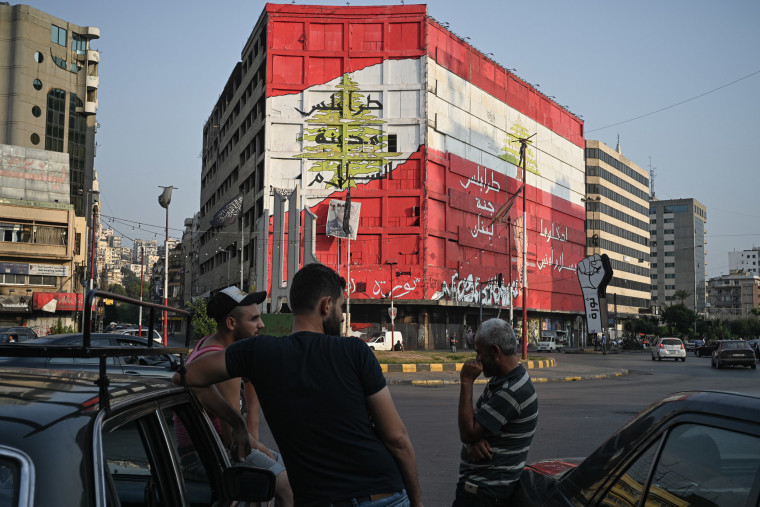
By Nisan Ahmado — voanews.com — WASHINGTON – New U.S. sanctions targeting the Syrian government appear to also undermine Hezbollah in Lebanon. Experts say the measures are alienating Hezbollah from its political allies in Lebanon and weakening its usage of state institutions to assist the Syrian regime. The sanctions, introduced on June 17 and known as the Caesar Syria Civilian Protection Act, have been described by the group’s leader Hassan Nasrallah as an “economic war” that aims at “starving both Syria and Lebanon.” He has called on the Lebanese government to ignore them. While the sanctions may not be devastating for Hezbollah, they could deter other parties in Lebanon’s governing coalition from following the Iran-sponsored group’s wish to improve ties to Bashar al-Assad’s administration, according to Hanin Ghaddar, a senior fellow at the Washington Institute. “Hezbollah has been calling the Lebanese government to normalize Lebanon’s relations with the Assad regime,” Ghaddar told VOA. But, he said, none of Hezbollah’s allies “wants to challenge Caesar Act, especially when there are negotiations going on with the international community to salvage the country from its devastating economic crisis.” Hezbollah has been classified by the U.S. as a terrorist organization since 1997. The group is sanctioned under the 2014 Hezbollah International Financing Prevention Act, which prevents entities associated with Hezbollah from gaining access to international financial and logistics networks and blocks its ability to fund global terrorist activities. The U.S. Treasury earlier this year announced further sanctions, blacklisting 15 Hezbollah-affiliated entities in Lebanon.
Political control
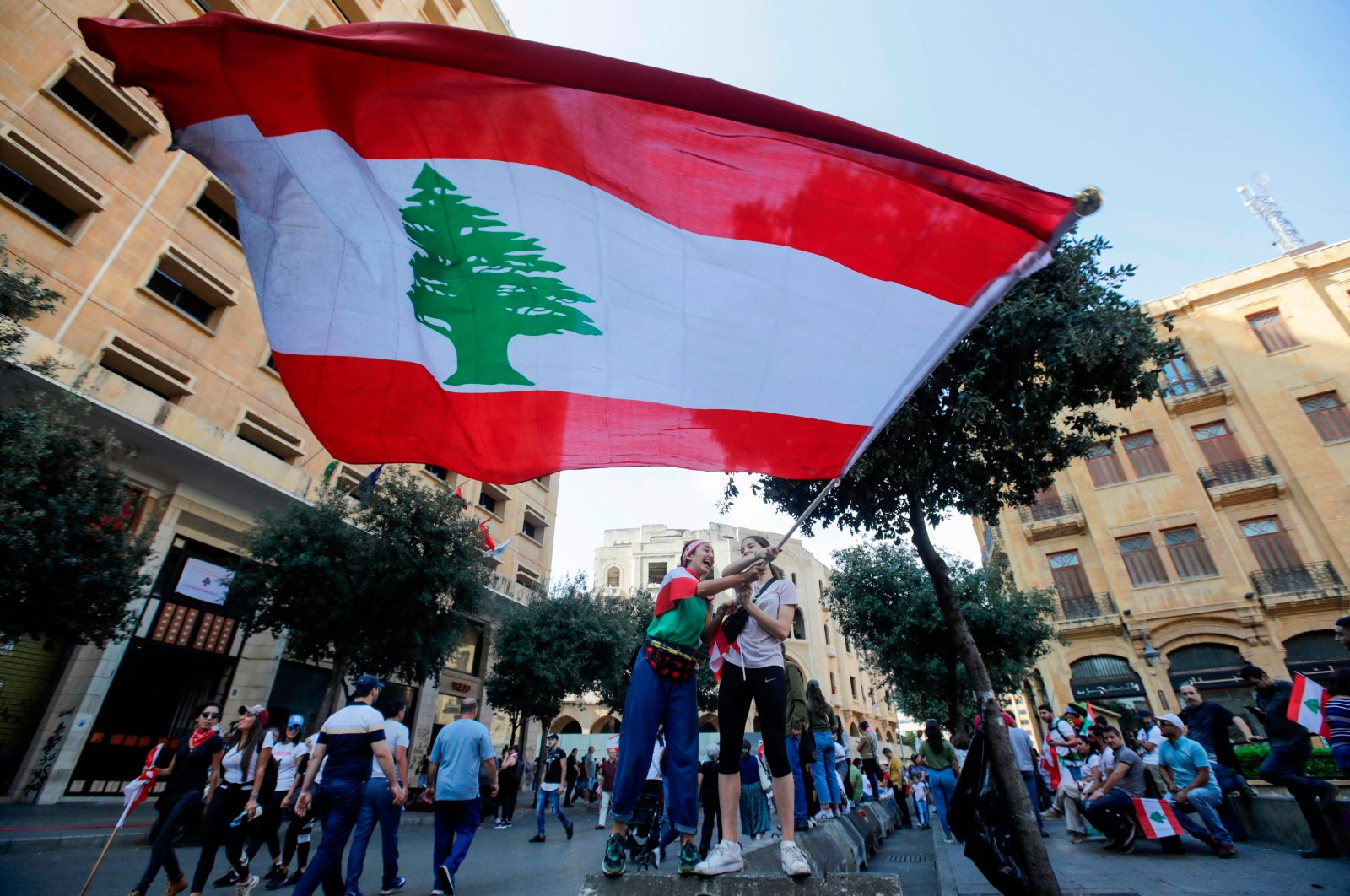
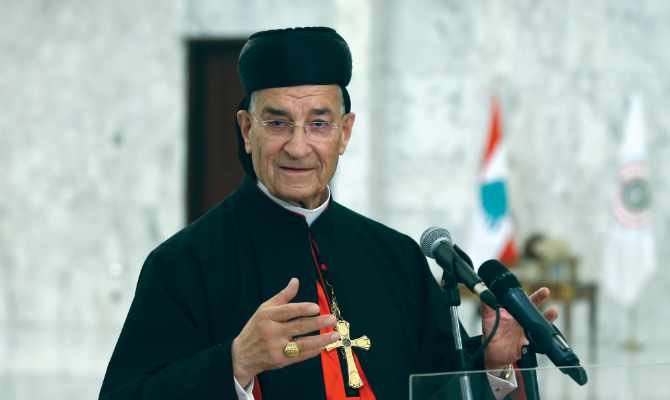
Lokman Slim, a Beirut-based analyst, told VOA that Hezbollah has been working for years to strengthen its infiltration of the Lebanese state and army by weaving a network of alliances across the Lebanese multi-sectarian spectrum. The group’s control over the political scene in Lebanon reached its peak in 2016, when it successfully backed Michel Aoun, a Maronite Christian and head of the Free Patriotic Movement party, to become president. However, the group’s allies are now starting to distance themselves from Hezbollah to guarantee their political survival, said Slim. “When Hezbollah’s main ally (Shia) speaker Nabih Berri champions the defense of the banking sector, and when voices from within the Free Patriotic Movement, the party of President General Michel Aoun, start calling into question the feasibility of blindly following Hezbollah, and when Patriarch Rahi, the highest Christian authority in Lebanon, calls on the U.N. to help Lebanon assert its neutrality, we can’t say that Hezbollah is in its glory days,” he said.
![Lebanese nurses at the Rafik Hariri public hospital in Lebanon's capital Beirut, on 12 May, 2020 [JOSEPH EID/AFP via Getty Images]](https://i0.wp.com/www.middleeastmonitor.com/wp-content/uploads/2020/07/GettyImages-1212812981.jpg?resize=1200%2C800&quality=85&strip=all&zoom=1&ssl=1)