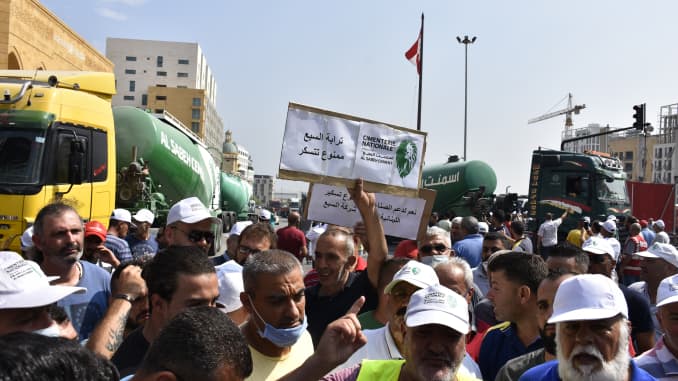
By Emma Graham — CNBC.com — Lebanon is in the throes of multiple crises, as Prime Minister Hassan Diab approaches five months in office. The small Mediterranean country of nearly 7 million people is in the midst of an economic meltdown, with fuel shortages and power cuts adding to the hardship faced by many nationwide. The country’s unemployment rate stood above 30% at the end of May, while annual food inflation has skyrocketed to around 190%. “The only card that is remaining is the street,” Henri Chaoul, former advisor to Lebanon’s minister of finance told CNBC’s Hadley Gamble on Thursday.
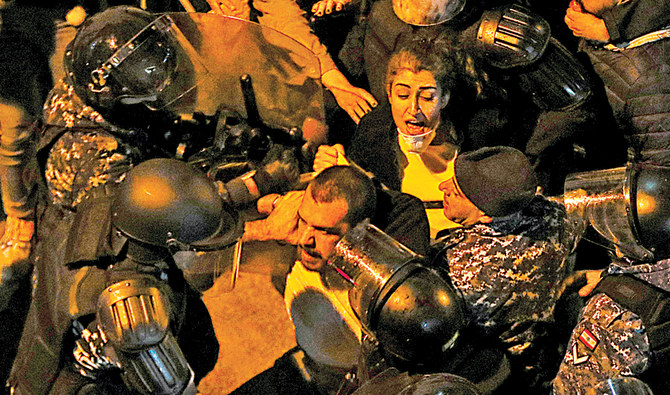
Speaking to CNBC about recent street protests, Chaoul said he does not know what the trigger is going to be, adding that the political setup in Lebanon cannot evolve. “It needs a revolution, not an evolution, to move to the next stage in our political discourse.” Power cuts across the capital city of Beirut have exceeded 20 hours a day in some areas. The darkness, extreme even for Lebanon, is caused by fuel shortages and lawmakers have warned they could last another two weeks. Lebanon’s electricity shortage has caused the main hospital in Beirut to shut down operating rooms and delay surgeries. “Clouds are gathering and we might be heading into a storm,” Firass Abiad, director general of the Rafic Hariri University Hospital, said via Twitter on Friday.