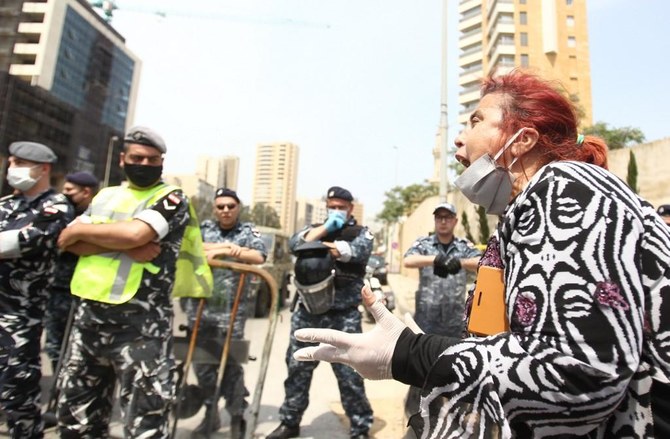
by arabnews.com — NAJIA HOUSSARI — BEIRUT: The Lebanese Council of Ministers has extended the period of general mobilization in the country to July 5 following a recommendation by the Lebanese Supreme Council of Defense. The decision comes two days before the demonstration planned by the civil movement on Saturday, resuming anti-government protests that erupted in the country on Oct. 17. “We do not fear the demonstrators, rather we fear for their health, and we are keen to protect the demonstration so that it would achieve its goals,” said Minister of Information Manal Abdel Samad after a Cabinet session on Thursday.
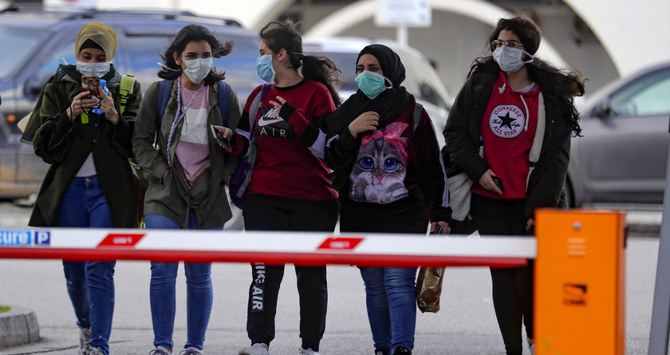
In a statement, the Lebanese Supreme Council of Defense said: “The military and security services should be firm in deterring violations of the general mobilization in order to prevent the proliferation of the coronavirus, and to cooperate with civil society and local authorities to achieve this objective.” General mobilization conditions include wearing masks, maintaining social distancing and avoiding overcrowding. During the meeting of the Supreme Council of Defense, Prime Minister Hassan Diab said: “The risk remains high, considering that cases of COVID-19 are still being recorded. “The precautionary and preventive measures are still necessary to avoid a second wave of the pandemic, which could be harder than the first wave. “The government understands the suffering of the people due to the social situation, but there is fear that some groups might take advantage of this for their political objectives in cutting roads and dismantling the country, shutting down enterprises, and obstructing people’s businesses, that could result in employees losing their jobs,” he added.


![Though illegal, black-market currency exchange transactions have become commonplace in economically ravaged Lebanon, and are arranged between people who meet through popular messaging apps like WhatsApp and Telegram [File: Mohamed Azakir/Reuters]](https://www.aljazeera.com/mritems/imagecache/mbdxxlarge/mritems/Images/2020/5/28/cb75a668edcd463f9a3880805a934809_18.jpg)