by nytimes.com — By Lina Mounzer — BEIRUT, Lebanon — Two weeks ago, it seemed every conversation in Lebanon was about keeping safe from the virus. The bustling streets of Beirut were quiet; everyone wore masks and gloves and glared at anyone who coughed in public. The smell of hand sanitizers filled elevators. Back from my grocery runs, I disinfected everything I bought and put my plastic bags on the balcony for a week before reusing them. Last week I came back from the store and nearly forgot to wash my hands as I pulled out the grocery bill and pointed out the exorbitant prices to my husband. We crossed out things we could no longer regularly afford, like cheese. We are the lucky ones. In September, about one-third of Lebanon’s population lived below the poverty line. Today, it is closer to half the population. Lebanon has been on a lockdown to stem the coronavirus outbreak since mid-March, when the government closed borders and “nonessential” businesses. The Lebanese government has been praised for its swift response to the pandemic, but the crisis was also a gift for the politicians.
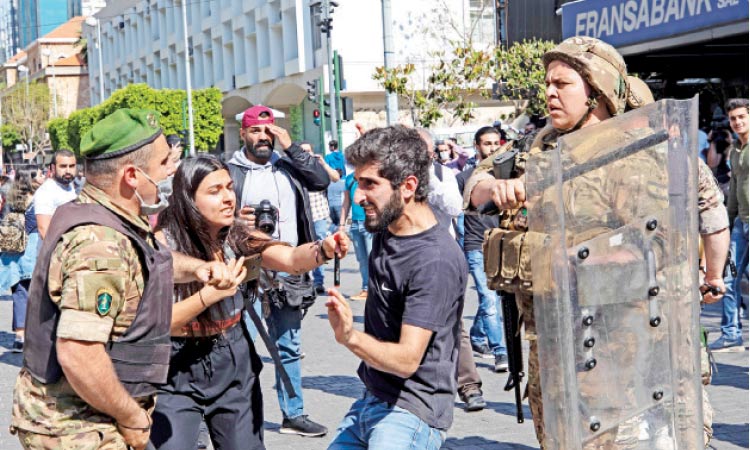
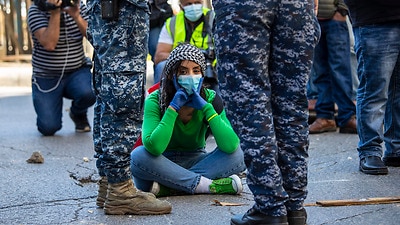
The Lebanese had been protesting against their political elites since October and refusing to leave the protest sites. Set off by a proposed tax on WhatsApp phone calls announced on Oct. 17 — one of the many proposed austerity measures meant to offset Lebanon’s staggering $86 billion debt — the protests targeted the government for decades of corruption, sectarian power-sharing and the broken banking system. Lebanon’s banks lent depositors’ money to the government and no longer have the dollar liquidity to match the numbers in people’s bank accounts. By November, the banks placed strict limits on withdrawals, some allowing a mere $100 a month. These withdrawal limits functioned as unofficial capital controls.
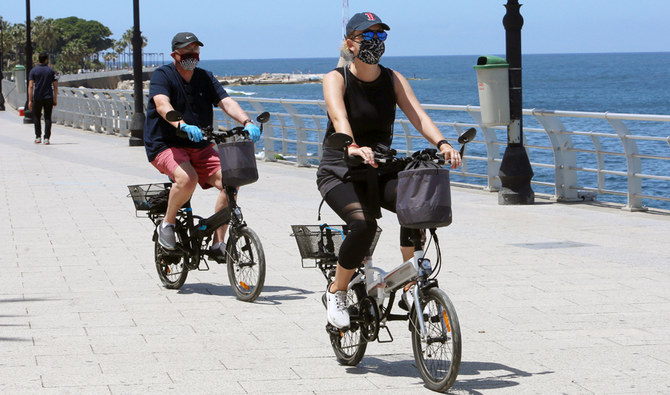
![A street is seen empty in Beirut, Lebanon on March 16, 2020, after Lebanese Prime Minister Hassan Diab declared a state of emergency due to the novel coronavirus (Covid-19) outbreak [Hussam Chbaro / Anadolu Agency]](https://i2.wp.com/www.middleeastmonitor.com/wp-content/uploads/2020/03/20200316_2_41398893_53148727.jpg?resize=1200%2C800&quality=85&strip=all&ssl=1)