by thenational.ae — Lebanon’s central bank head Riad Salameh on Wednesday defended his record after being accused by the prime minister of failing to take action to stop a dire economic crisis and allowing a massive slide in the national currency. In a rare, hour-long live television speech, the head of Banque Du Liban complained that there was a coordinated campaign against him, arguing that the bank’s role was to finance the state but that ultimately, politicians controlled how it was spent. Mr Salameh called on politicians to take overdue economic reforms but said it was not BdL’s fault if successive governments have failed to take action. Lebanese law states that the central bank must finance the government at its request, he said. “We have contributed to reducing the cost of public debt by lending to the state at low-interest rates… The central bank has funded the state but not spent its money,” he said. He said that BdL is attempting to stabilise the price of the Lebanese pound as much as possible as it trades at exchanges at nearly 60 per cent below the official peg. He added that it wasn’t the bank’s actions that had driven up the price of medicine, wheat or fuel and assured banks that their deposits with BdL are still there.
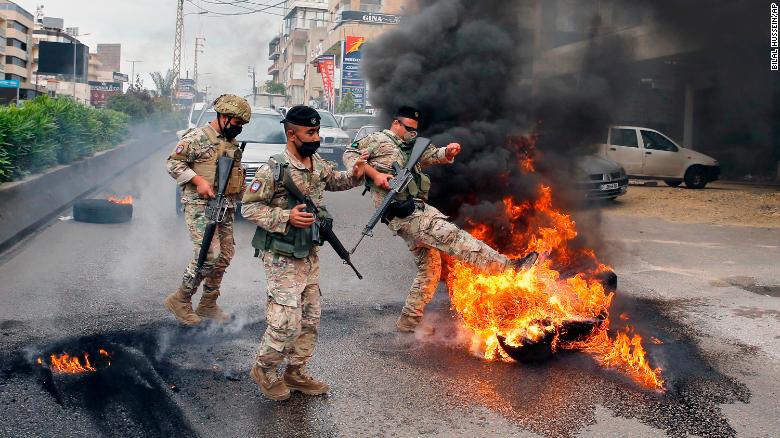
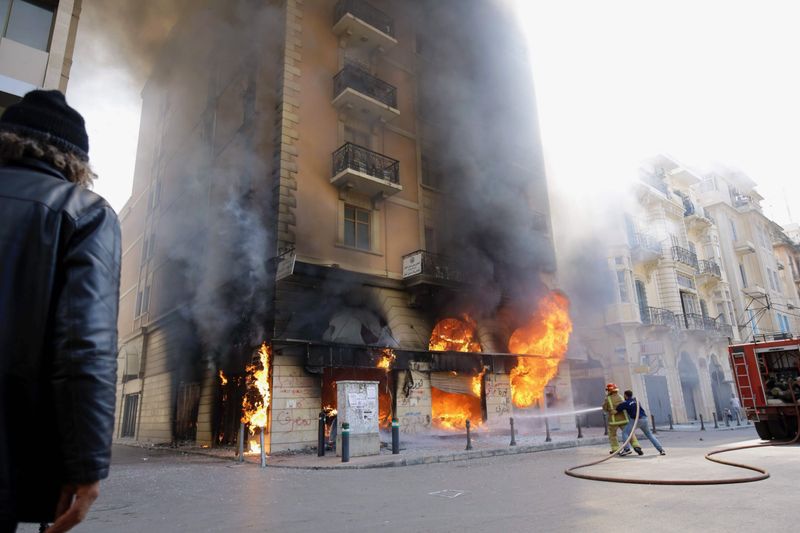
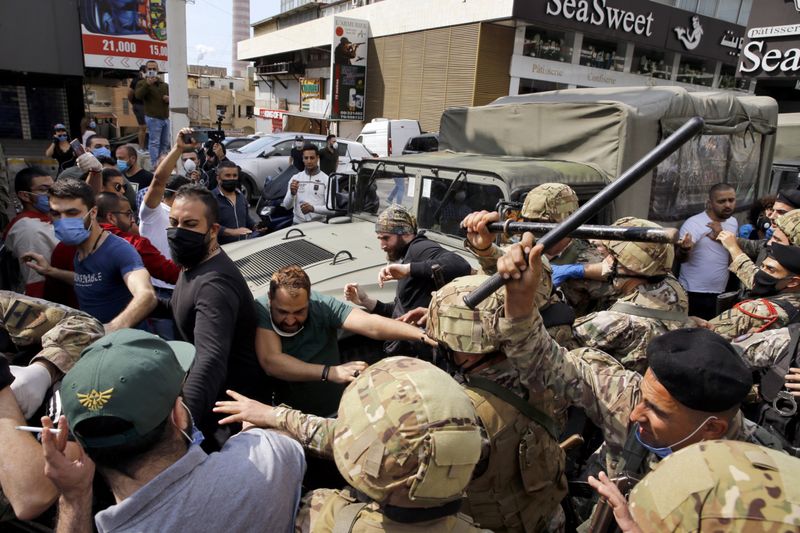
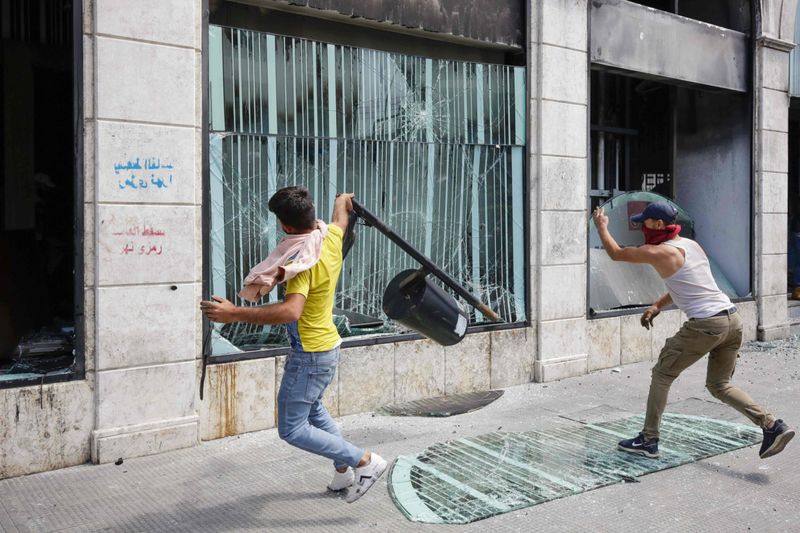
The central bank was not the only one to finance successive Lebanese governments, he pointed out. Lebanon has received financial support from international institutions and foreign countries in the past decades. While this might be Mr Salameh’s strongest argument, it does not explain who will bear the losses caused by the current financial crisis, Lebanese economist Sami Nader said. “Who will bear the losses of a state accused of corruption, depositors?” Rumours of a “haircut” – a reduction on holdings – on bank accounts have been circulating these past months in Lebanon, increasing fears that people’s hard cash has evaporated. Banks have restricted access to cash and banned international transfers since to the public since last October. The crisis sparked nation-wide demonstrations, with protesters accusing politicians of corruption.