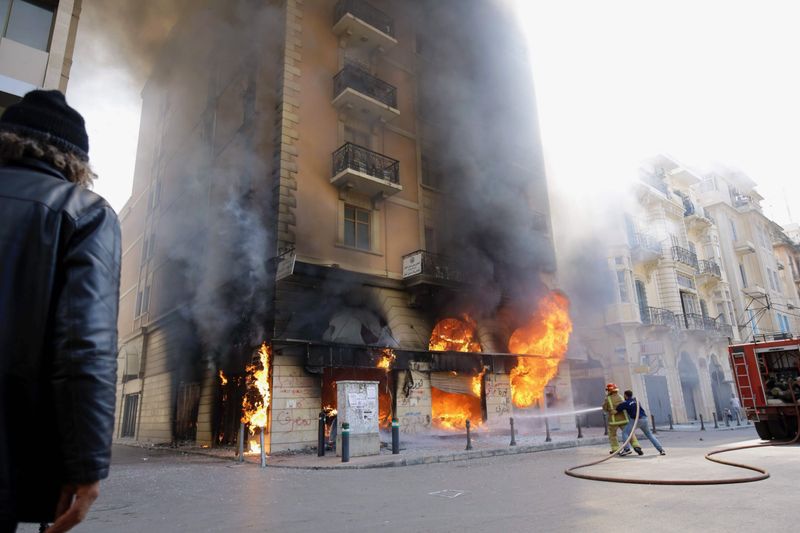
Beirut, Lebanon (CNN) — By Tamara Qiblawi, CNN — Cash-strapped Lebanon is facing growing turmoil after the fallout from the coronavirus outbreak sparked violent protests over rising hunger and poverty. Lebanon’s economy, like many others around the world, was brought to a screeching halt by a government-imposed lockdown designed to stop the spread of Covid-19. But the restrictions have further exacerbated the country’s deep and long-running financial crisis. Since a popular uprising gripped the country late in 2019, its currency has dropped and it defaulted on its debt for the first time. Now, after nearly two months of lockdown, food prices are soaring and the Lebanese lira is in free-fall.
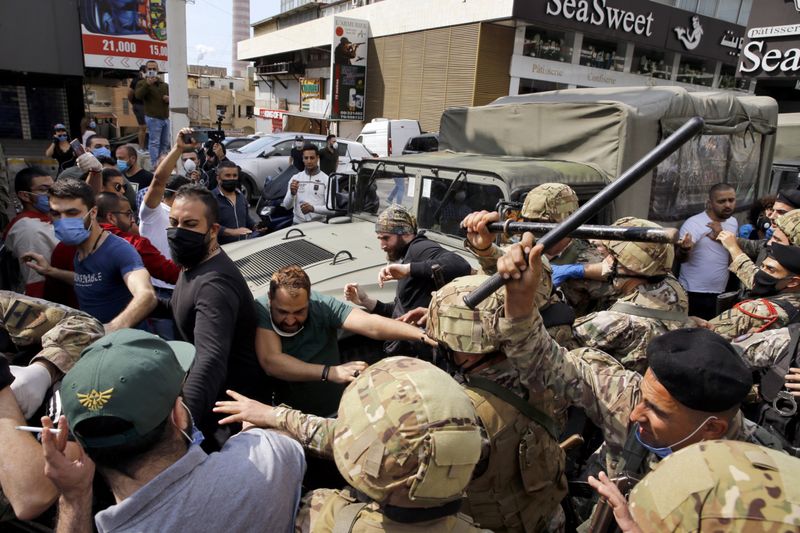
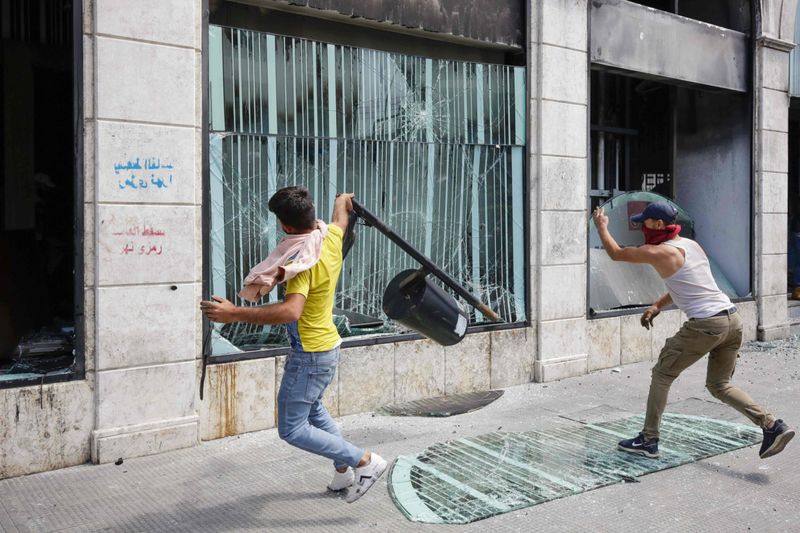
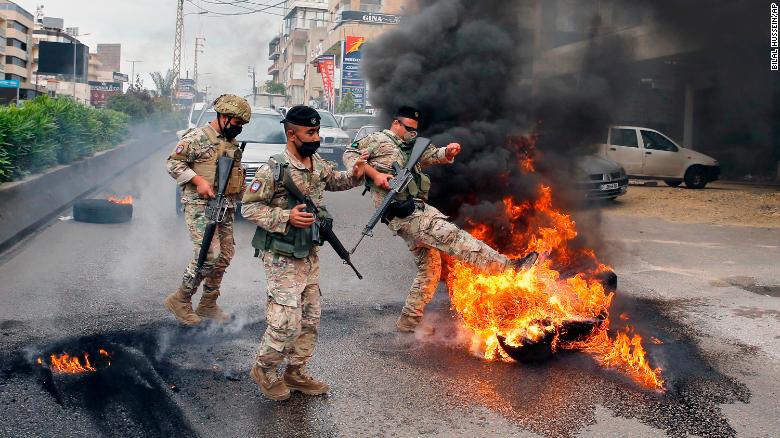
Prior to the Covid-19 outbreak, the World Bank projected that 45% of people in Lebanon would be below the poverty line in 2020. Now, the government believes that up to 75% of people are in need of aid, Social Affairs Minister Ramzi Musharrafieh told CNN. “We are hungry,” came the resounding cries from angry protesters as they faced off with security forces during demonstrations that swept through Lebanon’s major cities on Monday. Lebanese soldiers remove burning tires placed by anti-government protesters to block a road. One demonstrator, Fawaz Fouad al-Samman, died on Tuesday morning after sustaining gunshot wounds during clashes with the army in the northern city of Tripoli, his sister and a fellow protester said. The hospital that treated Samman’s wounds confirmed his death to CNN. Protesters dubbed the 26-year-old as “the martyr of hunger.” In a tweet, the Lebanese army said it was “deeply sorry for the falling of a martyr” during Monday’s protests and said it has opened an inquiry into the death. The military added that rioting was carried out by “infiltrators,” and stated that it “will not tolerate any person in breach of security and stability.” Tripoli protester Ghassan, who did not want to disclose his full name for security reasons, was with Samman when he was injured. Referring to Lebanon’s uprising, which began in October, Ghassan told CNN: “It was the worst battle we’ve seen since the start of the revolution.”