by middleeasteye.net — A controversial dam project in a lush valley southwest of Beirut has suffered a major setback, after its main sponsor the World Bank called on the Lebanese government to hold an “open public dialogue” to address concerns raised by campaigners against the plan. The Bisri Dam Project, also known as the Lebanon Water Supply Augmentation Project, was first approved by the World Bank back in September 2014. The organisation had allocated funds for a loan amounting to $617 million, calling it one of their largest projects in Lebanon. By 2024, the World Bank promised in 2019, the dam would have helped the country secure “clean and reliable water supply to over 1.6 million people” living across the Great Beirut and Mount Lebanon region.
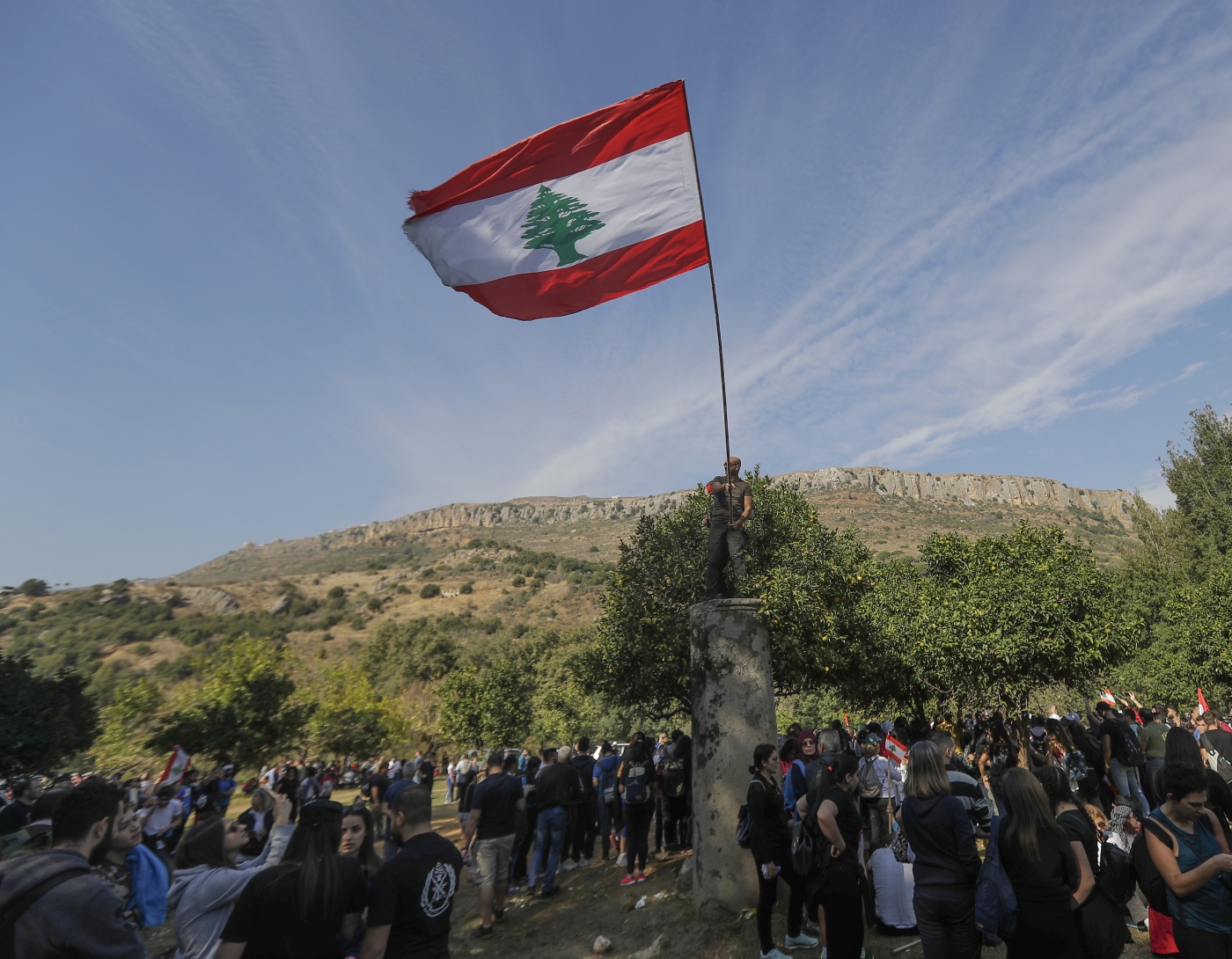
While the plan had received support from Lebanon’s ruling political parties, it was met with uproar from environmentalists and local residents who feared irreversible damages to the region’s rich ecosystem. For years, campaigners have called for the project to be scrapped completely and for the site to be turned into a nature reserve. Now their voices seem to have been heard. On Thursday, the World Bank released a statement that put doubts on the project’s future. “Given strong stakeholder concerns about the [Bisri Dam] Project, the World Bank has requested the Government of Lebanon to launch an open and transparent public dialogue to address the concerns raised by citizens and civil society groups,” said Saroj Kumar Jha, World Bank Mashreq regional director. He also announced the re-channeling of $45.5m from two other projects’ funding to help with Lebanon’s efforts to combat the coronavirus outbreak which – compounded by the ongoing economic crisis – has trapped the country in an “unprecedented crisis”. “The World Bank is open to government of Lebanon’s suggestions as to how the existing portfolio, including undisbursed amounts from the Bisri project, could be used more effectively to respond to the emerging needs of the Lebanese people,” Jha added. Small victories Prior to the latest announcement, the Lebanese government had begun work on the dam after receiving the first portion of the World Bank’s loans. The early stages of land clearance have already begun, although activists camping out in the valley during the country’s popular uprising that began last October have held back construction efforts. Lebanon’s collapsing economy and the Covid-19 outbreak have also helped stall the project.