![Millions of Lebanese have been affected by unofficial capital controls imposed on their withdrawals from banks, as the government fears capital flight [File: Jamal Saidi/Reuters]](https://www.aljazeera.com/mritems/imagecache/mbdxxlarge/mritems/Images/2019/11/27/8a776153eaa448f4bd25c86c43f23729_18.jpg)
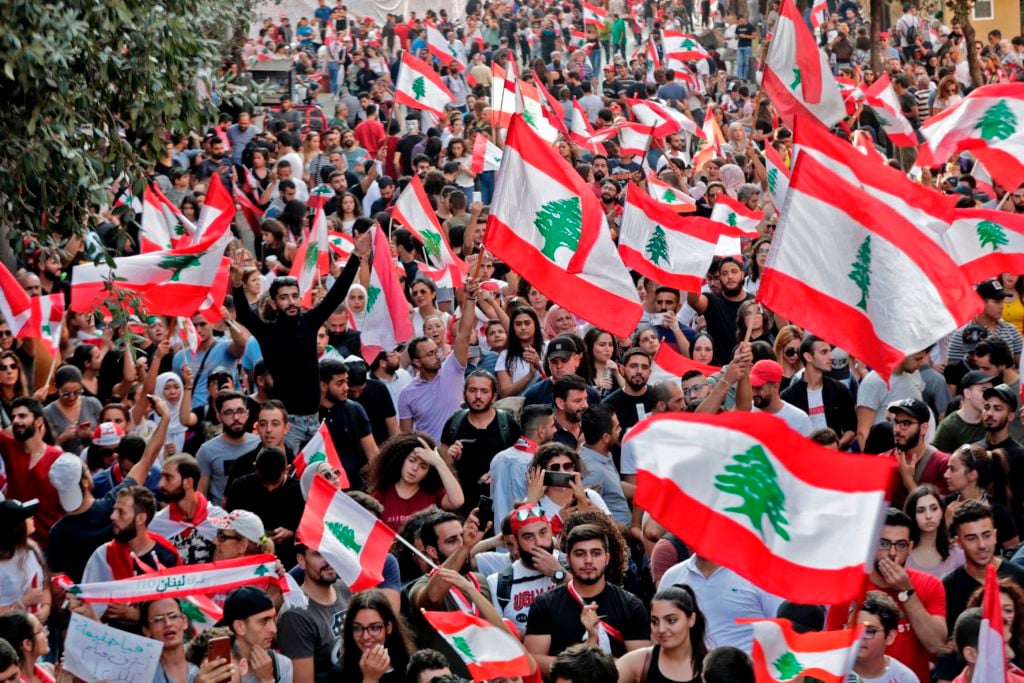
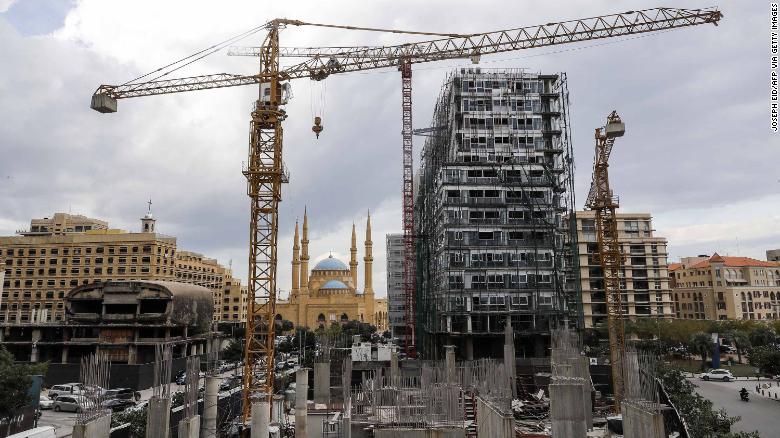
by aljazeera.com — Leila Molana-Allen — Lebanon has close to $1.5bn in public debt that it may decide to repay on Thursday. The country’s escalating financial crisis and weeks-long anti-government protests are adding more pressure to an already difficult situation. At $86bn, Lebanon’s sovereign debt is the world’s third-highest relative to gross domestic product (GDP). The country’s beleaguered economy is expected to contract by 0.2 percent this year. In an effort to calm protesters and to reduce the deficit from the current 11 percent to 0.6 percent by 2020, the government recently proposed a reform package. However, because talk of a tax on the internet partly fuelled the initial protests, ministers avoided tax increases on individuals and instead proposed using a bank contribution of $3.4bn to alleviate the deficit, alongside other proposals. For protesters however, many of whom want the wholesale removal of the prevailing political class, the move was too little, too late.
While anti-government protests have lowered confidence in the economy still further, the crisis was in motion well before the demonstrations began. The situation was compounded after Prime Minister Saad Hariri resigned on October 29, leaving in place a caretaker government without the bureaucratic powers to introduce the necessary economic reforms. On Tuesday protesters gathered around the central bank, wearing masks of Central Bank governor Riad Salameh’s face and chanting “Thief, thief, Salameh is a thief!” The following day they were back, this time with a Beirut hairdresser offering free haircuts in front of the building “to show them how to give a haircut”, according to a poster advertising the event. The scene references proposals by some economists that the central bank should confiscate a certain percentage from the highest depositors’ accounts, a financial haircut on those who benefitted the most from high interest rates, in order to relieve the debt burden. “We have to find a solution, and the solution must not be [borne by] the poor people,’ said protester Enas Sherry. “They benefitted from the interest, which was very high over the years, so they have to pay what they took from us.”
‘A regulated Ponzi scheme’