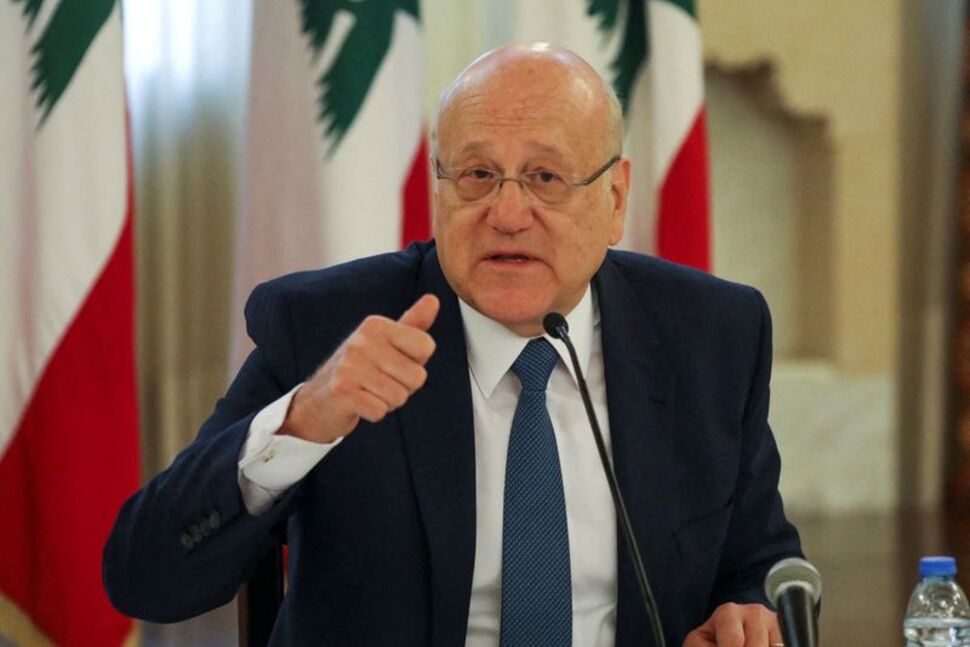
By Najia Houssari – arabnews.com — BEIRUT: An abrupt decision by Lebanese caretaker Prime Minister Najib Mikati to postpone the start of daylight saving time by one month has turned into a major political dispute, overshadowing the country’s dire economic crisis. Despite repeat IMF warnings over the state of the Lebanese economy, the latest political controversy surrounding the postponement from March 25 to April 21 is dominating debate in the country. The dispute over daylight saving time also involves religious and sectarian differences, and comes as Muslims mark the holy month of Ramadan. It means those fasting must break their fasts an hour earlier than planned. Lebanese institutions on Saturday took divergent positions on the move.Multiple media outlets (MTV Lebanon, LBCI and AlJadeed) said that it “will not abide by the decision and will commit to the universal time.” According to one political observer, the dispute reflects a “political vacuum, given that an absurd decision was explained in a sectarian way.”
This dispute “showed the loss of confidence in the ruling political class and the scale of randomness that political action in Lebanon can slip into.” The postponement caused confusion among institutions working with other states, notably the international airport, banks and mobile phone networks that automatically adjust to daylight savings each year. Airlines were forced to reschedule flights, and the two major mobile networks in the country sent a written message to subscribers, asking them to “manually adjust the time on their mobile phones before the midnight of Saturday-Sunday, to avoid the time change on their screens.” Secretary General of Catholic Schools Father Youssef Nasr said: “Private educational institutions and the Federation of Private Educational Institutions will abide by Mikati’s decision until it is reversed.” Mikati’s move was met with sarcasm on social media platforms. One political activist said: “We are in the republic of wasting time.” Another said: “It looks like Lebanon’s connection to the global system is not important.” Other warned that the decision “was taken by leaders who do not acknowledge the presence of others in the country.”