
Nizar Zakka
Rep.
Ed Royce, chairman of the House Foreign Affairs Committee, said Iran’s
ransom demand of $4 million to release a Lebanese-American permanent
resident was entirely predictable based on our payment of $1.7 billion
in cash for the release of other Americans in Iranian custody earlier
this year.
“Just as I feared, the Iranian regime now has more American hostages and wants more money,” Rep. Ed Royce, R-Calif., told the Washington Examiner Wednesday.
“The
Obama administration’s $1.7 billion cash payment to Iran wasn’t just
bad policy — it put additional lives at risk. … Iran should release
all American hostages immediately and unconditionally,” said Royce.Royce also noted that President Obama threatened
to veto his bill to bar additional “ransom payments.” Obama argued at
the time that the measure is aimed at solving a problem, the “so-called
ransom payments, that does not exist.”Nizar
Zakka, a Lebanese citizen and permanent resident of the United States,
has been imprisoned in Iran for more than a year and last month was
sentenced to 10 years in Iranian prison on charges of spying, which he
denies.
Reuters, (Reporting by Laila Bassam and Lisa Barrington; editing by Andrew Roche)
The leader of Lebanon’s Hezbollah movement, Sayyed Hassan Nasrallah, said on Sunday the door to electing a president was “wide open” and his members of parliament would vote for ally Michel Aoun at a parliamentary session at the end of October.
Lebanon has been without a president for more than two years, part of a political crisis that has resulted in a breakdown in many basic services and concerns about the country’s stability.
Lebanon’s former prime minister Saad al-Hariri said on Thursday he would back Christian leader Aoun to be president. Hariri stressed that his endorsement was a “political settlement” for the benefit of the whole country.
Gulf news reports- Joseph A. Kechichian: “Observers of Lebanese politics believe classic pro-Syrian
March 8 and anti-Syrian March 14 groups are no longer relevant following
the political fallout surrounding Sa’ad Hariri’s recent decision to
back Michel Aoun for president. No one knows what the next parliament session, scheduled for October 31, will hold and who will back who. But
one clear effect of Hariri’s shock decision are growing divisions
within both alliances. Splits have already emerged between members of
the March 14 alliance with some members supporting Hariri’s decision and
others staunchly rejecting it. The same goes for March 8, an
alliance made up of Aoun’s Free Patriotic Movement and two principal
Shiite parties, Amal and Hezbollah, with the latter fighting side by
side with Bashar Al Assad’s forces in Syria.” Druze leader Walid Junblatt, whose Progressive Socialist Party is part
of the March 14 alliance, said he “understood” Berri’s reservation on
the way in which Aoun’s name was put forward.
“The past few days saw an important
development: a declaration by the Future Movement leader (Hariri) of his
support for the nomination of General Michel Aoun for the presidency.
The door is now realistically wide open for a successful presidential
election,” Nasrallah said.
Parliament
will convene on Oct. 31 for a session to elect the president, the 46th
such sitting since the term of the last president, Michel Suleiman,
expired in 2014. Each of the previous sittings failed to gain the
two-thirds quorum needed for a vote.
The position of president must be filled by a Maronite Christian.
Nasrallah
spoke at a commemoration event for a Hezbollah military commander
recently killed fighting in the Syrian city of Aleppo. Iran-backed
Hezbollah is fighting alongside Syrian President Bashar al-Assad in the
country’s conflict
If Michel Aoun is elected president of Lebanon He will be the 5th oldest reigning president in the world. Here is the list of oldest presidents in the World: 1- Robert Mugabe, Zimbabwe born in 1924 2- Beji Caid Essebsi, Tunisia born in 1926 3- Raúl Castro, Cuba born in born in 1931 4- Paul […]


ساندي تابت تفوز بلقب ملكة جمال لبنان لعام 2016
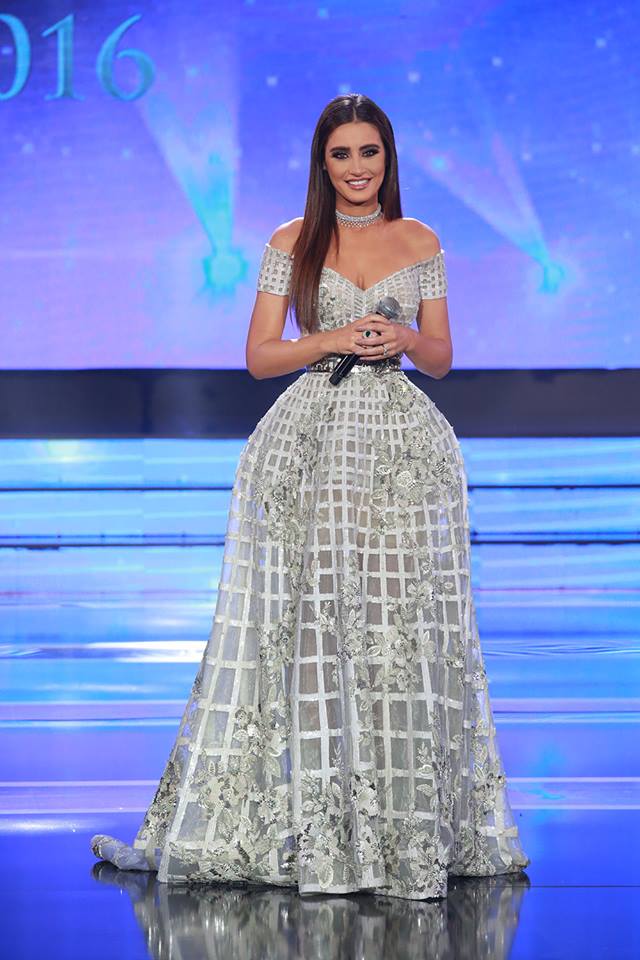
Aimee Sayah Host of the TV show Miss Lebanon

Contestants of the Miss Lebanon 2016 beauty pageant show themselves in
swimsuits during the beauty pageant at Casino Du Liban in Jounieh, north
of Beirut, Lebanon, late Saturday, Oct. 22, 2016

Lebanese Sandy Tabet, 22, wears swimsuit during the Miss Lebanon 2016
contest at Casino Du Liban in Jounieh, north of Beirut, Lebanon, late
Saturday, Oct. 22, 2016. Tabet won the Miss Lebanon 2016
Sandy Tabet defeated 13 other contestants to bag the crown of Miss Lebanon 2016. Valerie Abou Chacra,Miss
Lebanon 2015 crowned Sandy as her successor. Grand Finale of Miss
Lebanon 2016 took place on 22nd of October 2016 at Casino du Liban in
Beirut. Sandy might represent Lebanon at the upcoming Miss World 2016 pageant which will take place in Washington D.C in the month of December or she might represent Lebanon at Miss Universe 2016 pageant. Maribelle
Tarabay bagged the first runner-up crown where as Andrea Haykal was
crowned as second-runner up. Tracy Rizkallah & Hala Merheb bagged
third and fourth runner-up crown respectively. Aimée Sayah hosted the
pageant alongside Wael Kfoury. The contestants looked stunning in Zuhair
Murad gowns. The show opened with a Bollywood dance routine. Designer
Zuhair Murad, Talk Show host Marcel Ghanem, Super Model Adriana
Karembeu, Business man Richard Pharaoh, media personality Marcelle Nadim
, Actress Razane Jammal were part of the jury.
Full Results:
Miss Lebanon 2016:Sandy Tabet
First runner-up:Maribelle Tarabay
Second runner-up:Andrea Haykal
Third runner-up:Tracy Rizkallah
Fourth runner-up:Hala Merheb
Highest placement for Lebanon at Miss
World was in 2015 when Valerie Abou Chacra bagged the third runner-up
crown. Lebanon has one Miss Universe title to it’s credit courtesy
of Georgina Rizk who won the title in 1971.

#MissLebanon2016 looks by #ZuhairMurad
#misslebanon #zuhairmuradfashion #blackgowns #black #lebanon #beirut
#sandytabet #ساندي_تابت #pinkdress #pinkgown #yellowdress #yellowgown

two #magnificent looks for #aimeesayah
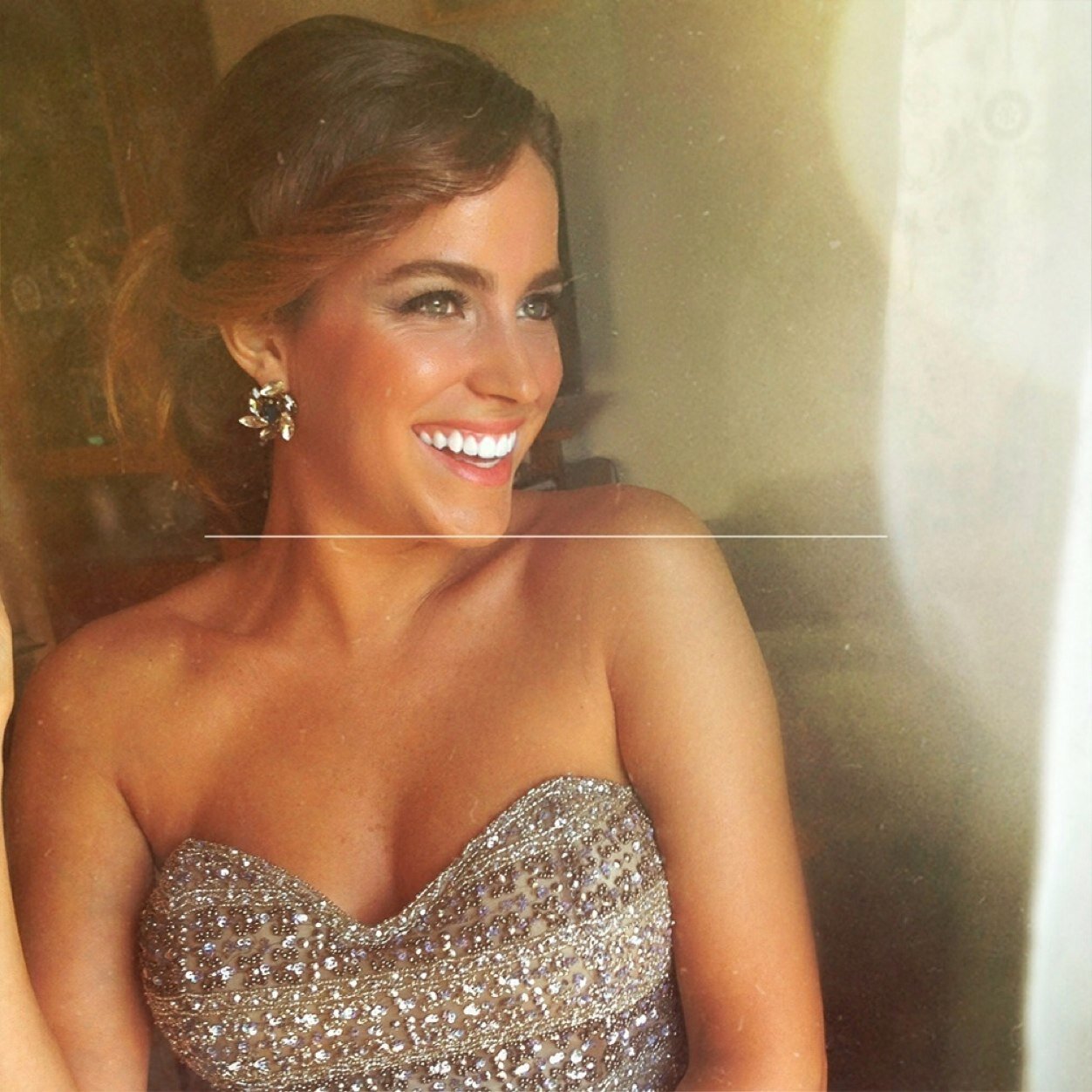
Andrea Haykal

MaryBelle Tarabay 1st runner up

Andrea Haykal
Please click read more for pictures
By AFP The United States is cautiously optimistic that Lebanon is on the point of breaking a political deadlock and appointing its first president in two years. “This stalemate on the issue of the presidency is hurting Lebanon and hurts the region and we hope it will move forward,” Secretary of State John Kerry said […]
By Robert Fisk
in Beirut @indyvoices
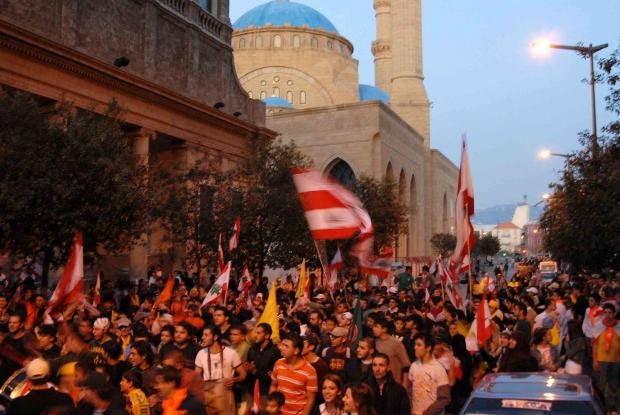
Maybe it’s because I live in Lebanon, and return to Beirut from Aleppo and Damascus, that the place seems so “normal”. While all around this little jewel, the Middle East burns – Syria, the occupied West Bank, Iraq, Yemen, Libya, increasingly Egypt and, alas, Turkish Kurdistan
– Lebanon glistens brightly in the darkness, largely untarnished by the
horrors on the other side of its borders. Or so it seems.
We might be forgiven for believing that this little paradise still
exists in the Arab world. True, Lebanon has no president, no functioning
government and constant power cuts (I currently have three electricity
outages a day, sometimes totalling six hours, without a generator).
Reading by candlelight might seem as romantic as Milton – preferably
without its physical effect on him – but it gets a little boring after a
while.
True, the Syrian war has stained Lebanon. Mosque bombings, the
attempted destruction of the Iranian embassy by suicide killers, the
brief capture of the Lebanese town of Ersal by Isis and the beheading of
Lebanese soldiers who were seized there, seemed to foreshadow a replay
of the country’s old civil war. Hezbollah fighters from southern Lebanon receive military funerals when they are driven home by the dozen from the Syrian battlefields. Sunni and Alawite (Shia) gunmen have fought in the northern city of Tripoli.

Over the past two years, Lebanese politics has been crippled by the
inability of the country’s political forces to agree on a successor to
former president, General Michel Sulaiman, whose six-year term had come
to an end in May 2014. Since then, Lebanon’s political class has looked
beyond their borders for a solution to their problems, hoping that a
regional power-broker would come to their rescue. However, with the key
regional actors preoccupied with other pressing issues, most notably the
conflict in Syria and Iraq, Lebanon’s leaders finally decided to rely
on their own political skills to agree on a presidential candidate. This
endeavour led earlier this year to shaking up the alliances within the
two main political camps in major ways. Sa’ad Hariri, leader of the
March 14 Alliance and former premier, took his allies off guard last
year when he backed the bid of Sulaiman Frangieh, a nominal member of
the opposing March 8 alliance for presidency. Meanwhile, one of Hariri’s
main allies within the March 14 camp, Samir Geagea of the Lebanese
Forces, supported the bid of General Michel Aoun, a nominal coalition
partner of Frangieh.

Donald Trump has raged against the media throughout his campaign,
calling the press biased — and a poll released Wednesday says a majority
of Americans agree. Even voters who don’t support the GOP presidential nominee said the press has it in for him.
Like many recent surveys, the Quinnipiac University poll found that
Hillary Clinton is leading the race for the White House with 47 percent
of the vote, compared to Trump’s 40 percent when third-party candidates
are included. But 55 percent of voters told pollsters Trump was right when he
charged the media is biased against, compared to 42 percent who said it
wasn’t. Republicans and independents were overwhelmingly with Trump on that issue — and so were 20 percent of Democrats.
“Donald Trump made the charge, and American likely voters agree:
There is a media bias against the GOP contender,” said pollster Tim
Malloy. Trump has made attacks on the media a cornerstone of his outsider
campaign, eliciting cheers and anger at his rallies when he excoriates
media outlets and even individual reporters.
“Let’s be clear on one thing, the corporate media in our country is
no longer involved in journalism – they are a political special interest
no different from a lobbyist,” he railed in a recent speech in Florida.
| Reuters BEIRUT
Former
Lebanese Prime Minister Saad al-Hariri endorsed Michel Aoun
for the vacant presidency,
Long
an opponent of the Iran-backed Shi’ite group Hezbollah, Hariri would
become prime minister again under the plan that could reshape Lebanese
politics. It has drawn opposition in his party and a final decision has
not yet been taken, allies said.
The
presidency, which is reserved for a Maronite Christian in the country’s
sectarian power-sharing arrangements, has been vacant for 2 1/2 years
due to political conflicts. Aoun, a veteran politician in his 80s, has
long coveted the post.
It was not immediately clear if
Aoun’s candidacy would enjoy enough support among other politicians to
secure the necessary two-thirds quorum for the vote in the 128-seat
parliament.
The next scheduled parliamentary session to elect a president is set for Oct. 31.
نفتقد القادة العظماء من لبنان # فخر الدين المعني الثاني# الرئاسة اللبنانيًّة
Lebanese Presidency





