Your Majesty, President Obama, Excellencies, Ladies
and Gentlemen,
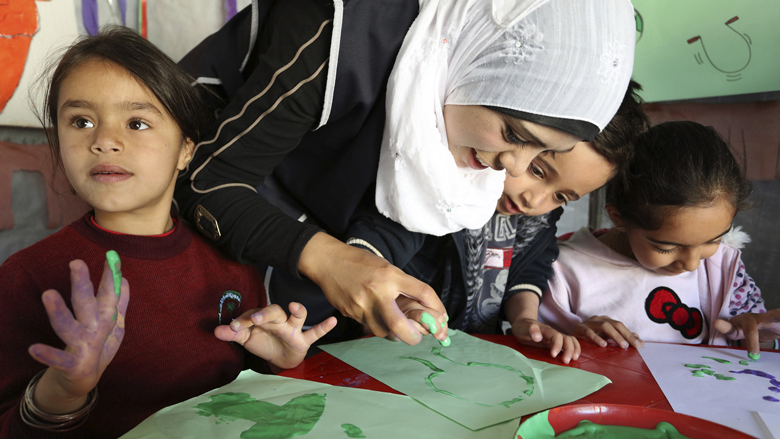
In absolute terms, Lebanon is by far the biggest world
donor to the cause of refugees. According to the World Bank, over 15 billion
dollars have been contributed by the Lebanese economy to ensure public
services, education and health to the Syrians and Palestinians who compose one
third of our population today.
In the past
two years, no less than five major high-level conferences on the subject have
taken place. No less than three meetings are held this week here, at the
UN. What do we have to show for all this mobilization of political power? Very
little indeed, especially when we consider the overflow of those crossing now
to Europe.
This faltering of the international
community should be urgently remedied:
First, by
devoting the substantial funding required in order to manage the consequences
of the crisis. Second, by massively investing in development aid in
order to trigger durable growth, create jobs and fight poverty for the benefit
of host populations and refugees alike. Third,
by establishing a transparent mechanism to track the multiplicity of funding
flows, generate synergies and avoid waste. Fourth,
by significantly activating burden-sharing efforts by all countries which have
the possibility to relocate refugees, including by the countries of the region.