ISIS might have proven its ability to wage complex attacks around the world in 2015.
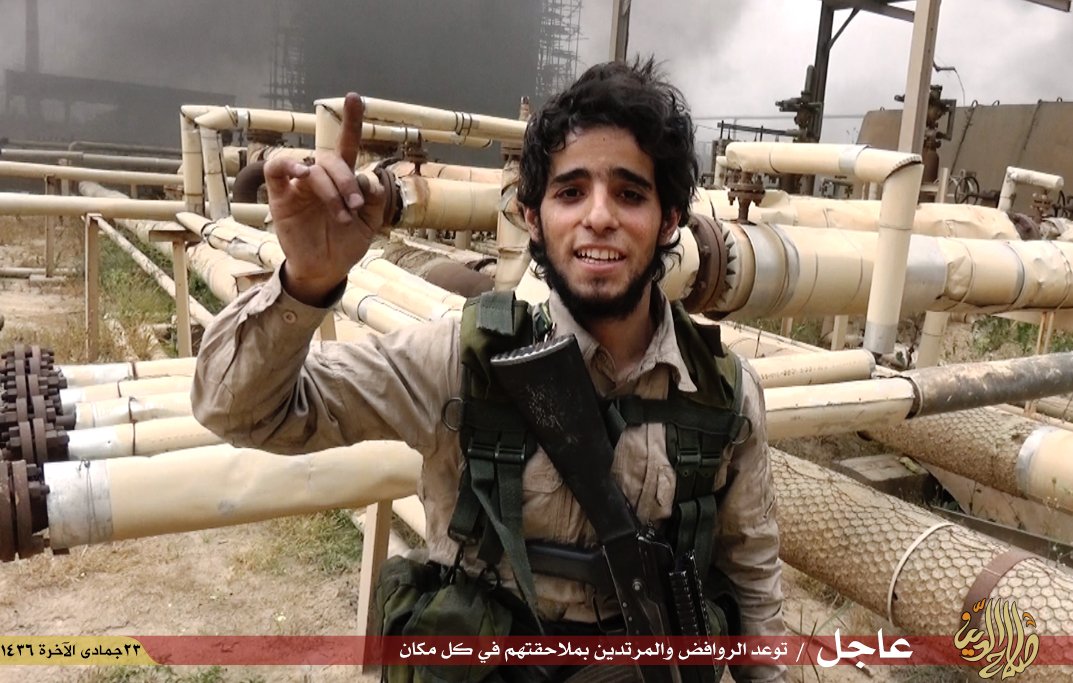
But in the heart of its "caliphate" in Iraq and Syria, the group suffered at least one important setback: losing a substantial portion of its oil-exports income, according to the Iraq Oil Report.
Without the major source of revenue and foreign currency, the group might have a reduced ability to maintain the appearance of state-like services and functions inside the caliphate, potentially harming its ability to hold on to territory as global efforts against the group intensify.
The Iraq Oil Report’s December 28 story is one of the most detailed accounts of the jihadist group’s oil infrastructure that’s publicly available. It’s based on interviews with over a dozen people living in ISIS-controlled areas, including anonymous oil-sector workers. The story also includes descriptions of documents from the nearly 7 terabytes of data seized from the compound of Abu Sayyaf, the ISIS oil chief for Syria killed in a US Special Forces raid in May.