For the majority of the Lebanese, the recurrent news of the failure of their parliament to achieve the required quorum to elect a new president has become something of a common occurrence if not a trifling affair. Over the last 18 months, the Lebanese parliament has failed 32 times to convene, mainly due to the refusal of the March 8 pro-Iranian faction to move forward on this matter unless their main candidate, Michael Aoun, is the sole contender.
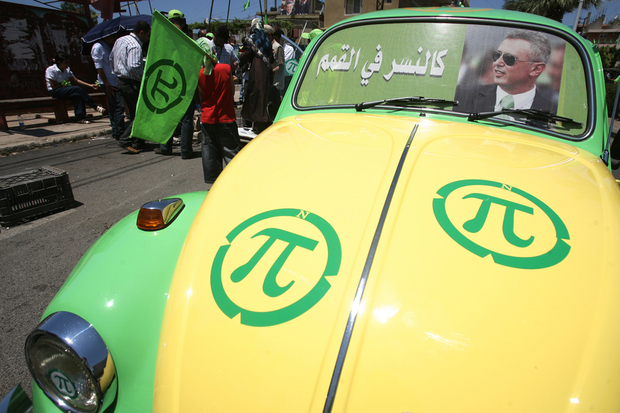
This reality has recently changed as Aoun, the aging frontrunner for the presidency, found himself outflanked and possibly replaced by one of his allies, Suleiman Frangieh. Frangieh, renowned for his bare fist approach to politics, has on many occasions flaunted his brotherly relationship with current Syrian President Bashar al-Assad, going as far as announcing “Assad is my friend and brother and he will remain so”.
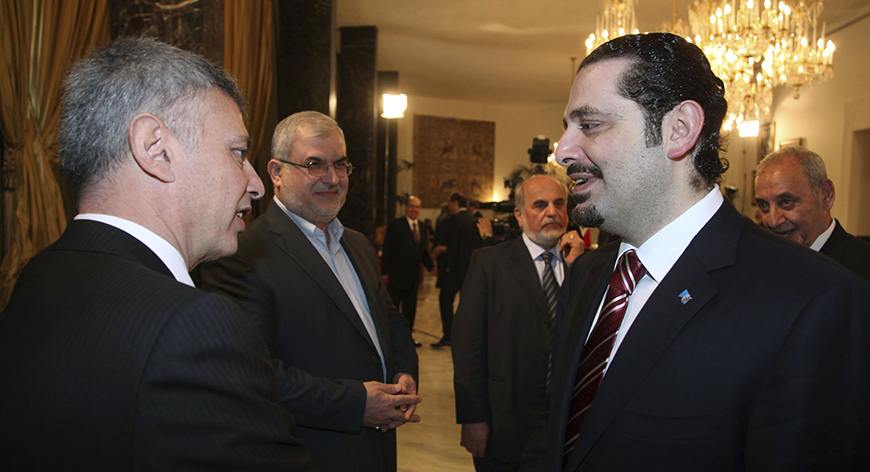
The drastic change however is not the fact that Frangieh overtook Aoun, momentarily at least, but rather that this change was made possible after both Walid Jumblatt and Saad al-Hariri – both ardent opponents of Bashar al-Assad and his regime – endorsed this nomination.
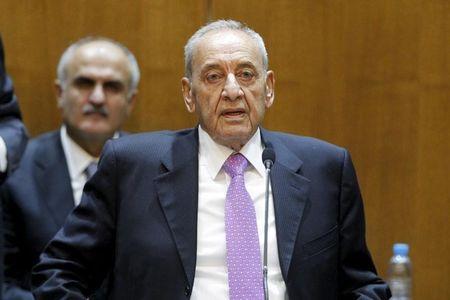
This initiative lead by Jumblatt, a veteran strategist, has been received with mixed emotions by the Shia leadership rivals of Amal, led by Parliament Speaker Nabih Berri, and Hezbollah, led by Hassan Nasrallah. Hezbollah up until this moment has neither endorsed nor rejected this deal, which in itself weakens Aoun’s chances, especially given that Berri harbours no real affection for Aoun, who has attacked him on various occasions.
Leaked documents show how ISIS is building its state
Shiv Malik, The Guardian
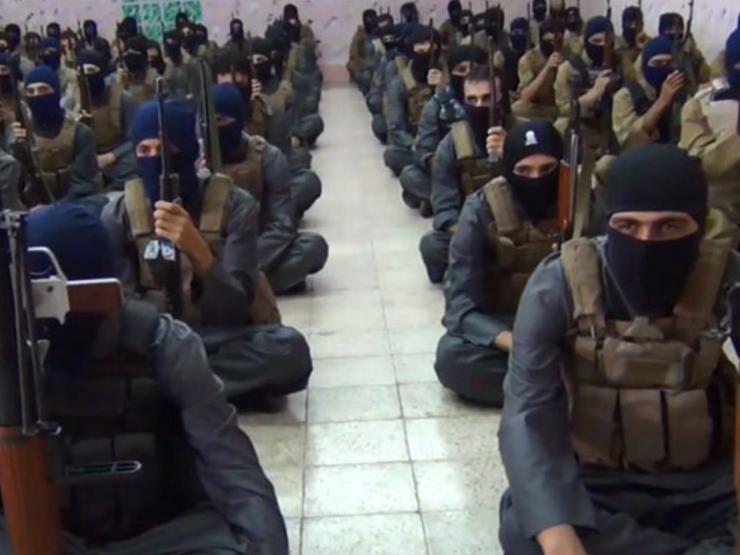
A leaked internal Islamic State manual shows how the terrorist group has set about building a state in Iraq and Syria complete with government departments, a treasury and an economic programme for self-sufficiency, the Guardian can reveal.
The 24-page document, obtained by the Guardian, sets out a blueprint for establishing foreign relations, a fully fledged propaganda operation, and centralised control over oil, gas and the other vital parts of the economy.
The manual, written last year and entitled Principles in the administration of the Islamic State, lays bare Isis’s state-building aspirations and the ways in which it has managed to set itself apart as the richest and most destabilising jihadi group of the past 50 years.
Together with other documents obtained by the Guardian, it builds up a picture of a group that, although sworn to a founding principle of brutal violence, is equally set on more mundane matters such as health, education, commerce, communications and jobs. In short, it is building a state.
Read more


 \
\