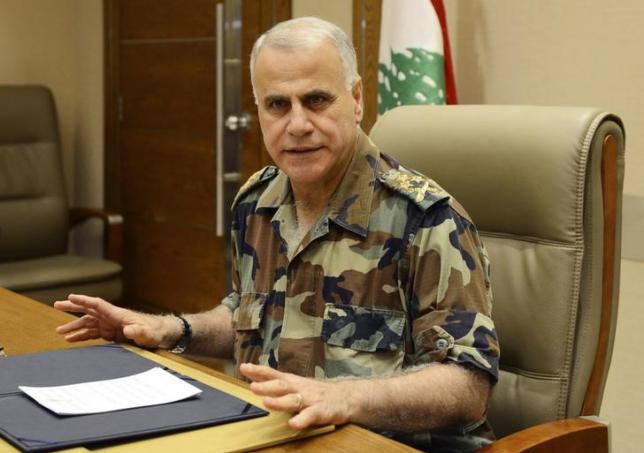
The Lebanese army commander says camps that are home to refugees from neighboring Syria represent a growing security risk as potential hideouts for militants who have been prevented from using other areas to launch attacks and rig car bombs.
General Jean Kahwaji told Reuters the security situation was otherwise broadly under control two weeks after Islamic State suicide bombers killed 44 people in the southern suburbs of Beirut in the bloodiest example yet of spillover from the Syria war.
More than one million refugees from Syria are in Lebanon living in camps in the eastern Bekaa Valley, in Beirut, in northern Lebanon and in the south. They account for about a quarter of the country’s population now.
Russia is preparing to sanction Turkey in response to its downing of a Russian warplane earlier this week, Prime Minister Dmitry Medvedev announced in a televised cabinet meeting on Thursday, according to the BBC.
"The government has been ordered to work out a system of response measures to this act of aggression in the economic and humanitarian spheres," which may include "limits or bans" on "foodstuffs, labor, and services from Turkish companies," Medvedev said.
The sanctions "could bite into more than $30 billion in trade ties between the two countries, as police here began seizing Turkish products and deporting Turkish businessmen," the Washington Post’s Moscow Correspondent, Andrew Roth, wrote on Thursday.
Separately, a group of 39 Turkish businessmen visiting Russia on tourist visas were detained by Russian authorities who accused them of making "false statements about their trip to the country," the Telegraph reported on Thursday.
This piece was originally published by Foreign Policy in Focus, November 20, 2015, http://fpif.org/after-paris-and-beirut-its-time-to-rein-in-saudi-arabia/
After the carnage in Paris, Western governments turned immediately to debating the usual tactics for "bringing the terrorists to justice." Should we employ drone strikes, they wonder? Boots on the ground? Police?
The much more important matter, however, is identifying and stopping the source of the nihilism, misogyny, and sectarian animus that’s found fertile breeding grounds in the civil wars of the Middle East. Unless the source is addressed, there will be an endless supply of terrorists wreaking havoc. And we in the West will continue wringing our hands and responding impulsively rather than strategically.
While virtually all Islamic scholars dispute the theological soundness of the ISIS ideology, the group’s roots lie in fundamentalist Sunni Islam, specifically the Wahhabi strain officially espoused by Saudi Arabia — our "ally" — which views Shiites as apostates and seeks to turn Islamic societies back to an intolerant (and imagined) medieval past where women are stoned for adultery and reporters are lashed. Since the 1970s, the Saudi government and its allied religious establishment have exported their extremist version of Sunni Islam around the world — all financed by their oil money.
Concerns are growing as winter approaches and more Syrian refugees in Lebanon are driven by debt into makeshift shelters.
Aid agencies are attempting to reduce the potentially devastating consequences of freezing conditions and snowstorms that killed eight last year, including three Syrian refugees.
Many refugees are reliant on handouts because governments restrict their ability to provide for themselves.
Memories of last Winter are still fresh for father-of-seven Redwan al-Omar, who has endured two winters in a refugee camp in Lebanon’s Bekaa region since fleeing Aleppo.
iloubnan.com
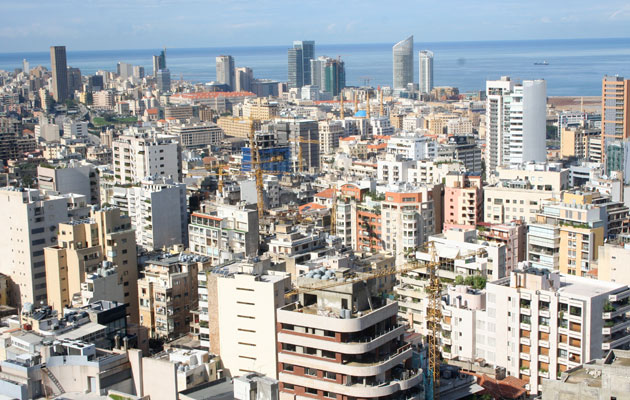
Property consultants Cushman & Wakefield’s 2015 survey of the world’s most expensive streets in terms of rents for retail space ranked Beirut as the 48th most expensive retail location among 65 cities worldwide, the fourth most expensive city among seven cities in the Middle East & Africa region, and the third most expensive among five Arab cities, Byblos Bank ‘Lebanon This Week’ reported.
Each city is represented by its most expensive retail street. Beirut’s global rank rose by two spots from 50th place in the 2014 survey, while its regional rank was unchanged year-on-year. The study evaluated retail rental prices between June 2014 and June 2015 in over 500 locations in 65 countries around the world.
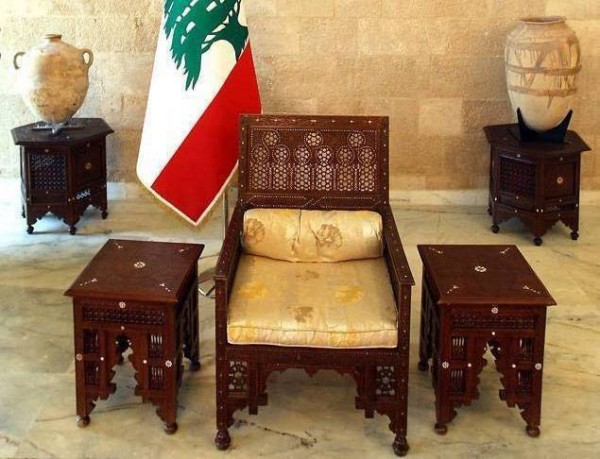
BEIRUT–Lebanon’s destructive civil war ended a quarter century ago. The capital has been rebuilt. New buildings are rising and shoppers throng luxury shops. Trendy young Lebanese fill restaurants and bars at night. Lebanon is the Middle East’s only melting pot. Never has the region more needed a peaceful oasis.
However, the country is a sectarian volcano. Barely a generation ago Lebanon was torn apart in a bloody civil war which drew in America for a short time. Today cars race by buildings damaged still. Bullet pockmarks subtly mark many structures, including where I stayed.
The capital is but a short drive away from the Syrian imbroglio. A fourth of Lebanon’s current population is refugees. The Shia Hezbollah movement acts as a state-within-a-state, confronting Israel to the south and anti-Assad insurgents to the east. Sunni radicalism is growing. The minority Christian community has broken apart, creating political deadlock and paralyzing the government. The country faces water shortages and power outages even in Beirut, where garbage has piled high since the July closure of the city’s landfill. Warned the International Crisis Group: "today’s dynamics bear an uncanny similarity to those that preceded the civil war."
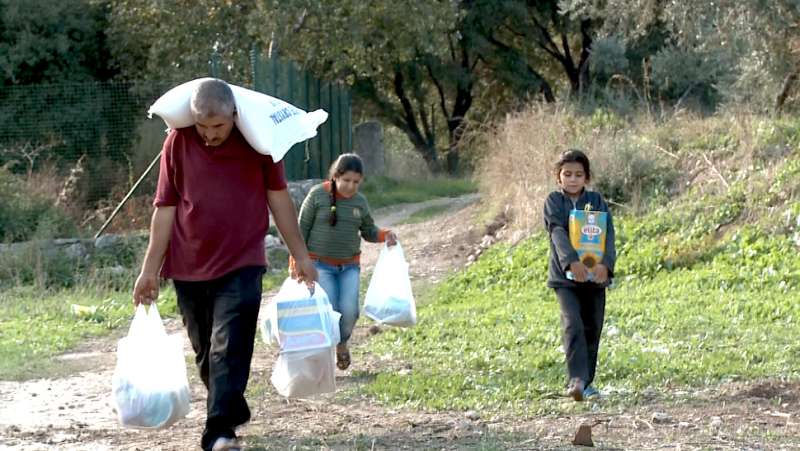
BEIRUT, Nov 20 (UNHCR) – Syrian father Mohamad believes his life can be summarized by a worn out piece of paper. Carefully folded and tucked under a floor mattress, it details a growing list of debts.
Four years in Lebanon as a refugee have sucked his resources dry, and thrown him on the mercy of a good number of neighbours, relatives and friends.
"I wake up thinking about it. I go to bed thinking about it," the father-of-four said with his eyes fixed on the floor. "What can I say, we have lost everything, and now we are being forced to give up our dignity."
Mohamad’s story is far from unique. Nearly 90 per cent of Lebanon’s over one million Syrian refugees are today trapped in a vicious cycle of debt, according to the findings of a recent assessment of Syrian refugee vulnerability in the country by UNHCR, UNICEF and WFP.
Most refugees have not managed to free themselves from borrowings that started to pile up in 2014. Mohamad, who used to work as a truck driver in Syria until his home in Daraa was destroyed, is one of them.
By Joseph A. Kechichian, Senior Writer
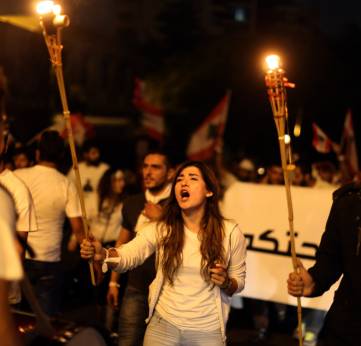
Beirut: Lebanese, for the second time, are marking their 72nd Independence Day tomorrow without a president. It seems there is little to celebrate amid the crippling political paralysis that has gripped the country for nearly a year and a half now.
Lebanon’s institutions have been deliberately frozen by merchant-politicians who pretend to lead the country.
Under the grim circumstances, all official ceremonies have been cancelled.
Perhaps the most pressing issue is a continuing garbage crisis in the country since May 17 this year where political disagreements over landfills resulted in large pile-ups of garbage throughout the country’s streets.
Agriculture Minister Akran Shehayeb recently admitted the crisis was not yet solved due to “differences over the sharing of profits” and he made the desperate suggestion to start exporting the garbage as the only way out.
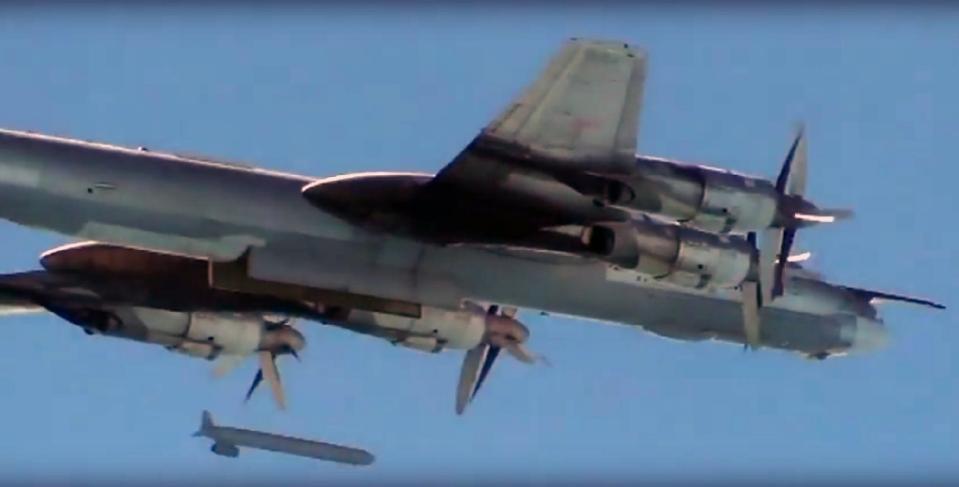
BEIRUT (Reuters) – Lebanon said on Friday Russia was planning to carry out a three-day naval exercise in the Mediterranean Sea and that Lebanese authorities were working on ways to avoid disruption to civilian flights taking off from Beirut.
Moscow, which is carrying out air strikes in Lebanon’s neighbour Syria, sent an urgent telegram to Lebanese aviation authorities saying its manoeuvres would start at midnight (2200 GMT), the ministry of Public Works and Transport said.
The ministry had set up an emergency group "to ensure the continuity of takeoffs and landings at the airport, taking into account the maximum degree of public safety, it said.
Transport Minister Ghazi Zeaiter told Reuters earlier on Friday Lebanon had refused Moscow’s request to divert civilian flights from over the area in international waters where they are planning to conduct the exercise.
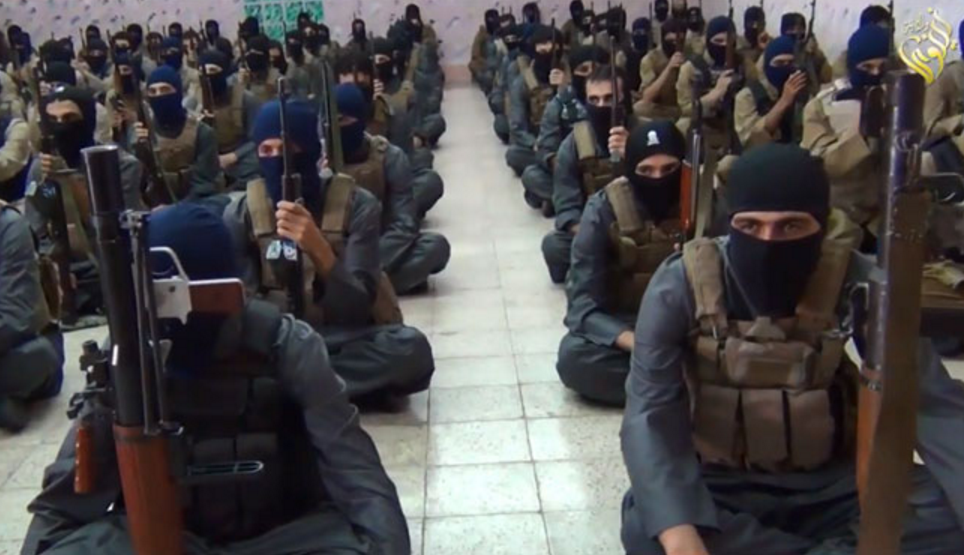
Disputes between different groups of foreign fighters could undermine ISIS, according to a defector from the group who was interviewed by The Daily Beast.
The ISIS defector, who goes by the pseudonym Abu Khaled, spoke with Michael Weiss at length in Istanbul, Turkey, about ISIS and its internal operations.
According to Abu Khaled, although ISIS relies upon foreign fighters, its leaders still fear that those militants might not be entirely loyal and are concerned that ISIS could fracture along national or ethnic lines.
Previously, Khaled told Weiss, foreign fighters would be organized into battalions based upon their origin for ease of communication and control. But this practice has been halted following the dissolution of a 750-member-strong Libyan brigade, known as al-Battar, that was deemed to be insufficiently loyal to ISIS’s overall hierarchy.

Population Movements to Keserwan - The Khazens and The Maans
ما جاء عن الثورة في المقاطعة الكسروانية
ثورة أهالي كسروان على المشايخ الخوازنة وأسبابها
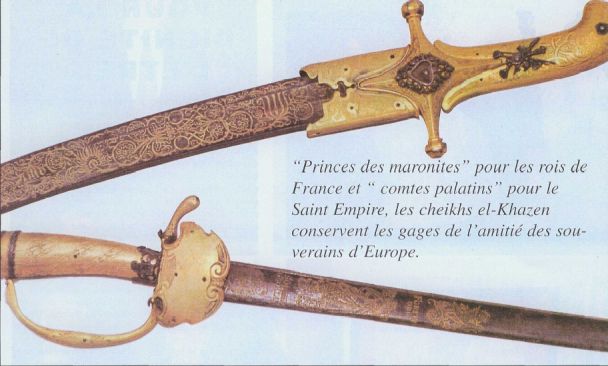
Origins of the "Prince of Maronite" Title
Growing diversity: the Khazin sheiks and the clergy in the first decades of the 18th century
Historical Members:
Barbar Beik El Khazen [English]
Patriach Toubia Kaiss El Khazen(Biography & Life Part1 Part2) (Arabic)
Patriach Youssef Dargham El Khazen (Cont'd)
Cheikh Bishara Jafal El Khazen
Patriarch Youssef Raji El Khazen
The Martyrs Cheikh Philippe & Cheikh Farid El Khazen
Cheikh Nawfal El Khazen (Consul De France)
Cheikh Hossun El Khazen (Consul De France)
Cheikh Abou-Nawfal El Khazen (Consul De France)
Cheikh Francis Abee Nader & his son Yousef
Cheikh Abou-Kanso El Khazen (Consul De France)
Cheikh Abou Nader El Khazen
Cheikh Chafic El Khazen
Cheikh Keserwan El Khazen
Cheikh Serhal El Khazen [English]
Cheikh Rafiq El Khazen [English]
Cheikh Hanna El Khazen
Cheikha Arzi El Khazen
Marie El Khazen