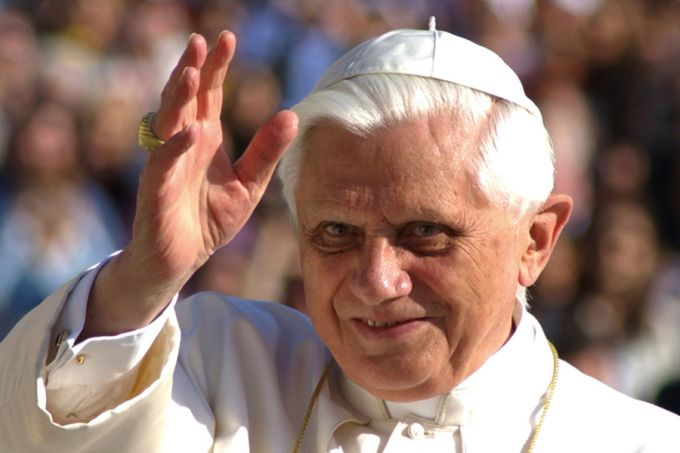
.- A Brazilian priest and a Lebanese scholar were awarded on Monday the 2015 Ratzinger Prizes, in recognition of their work in theology.
“With these two figures, the list of theologians who have deservedly received the Ratzinger Prizes is further enriched not only quantitatively, but also qualitatively,” Archbishop Luis Francisco Ladaria Ferrer, S.J., secretary of the Congregation for the Doctrine of the Faith, said Nov. 16.
The two honorees were announced during a press conference at the Holy See Press Office.
Professor Nabil el-Khoury, 74, is a professor of philosophy and literature at the Lebanese University of Beirut and the University of Tubingen in Germany. He has translated the entire works of Joseph Ratzinger into Arabic, and has been involved in many theological projects and has authored numerous academic articles.Father Mario de França Miranda, S.J., 79, is from Rio de Janeiro, Brazil. He joined the Society of Jesus in 1955, and is a past member of the International Theological Commission. He has written many articles and 14 books, and has contributed to 31 other books. He has also served on the editorial boards of several magazines.
He has taught at the Pontifical Catholic University of Rio de Janeiro and at the Society of Jesus’ Faculty of Theology in Belo Horizonte, Brazil. He has collaborated with both Brazil’s bishops’ conference and the Latin American Episcopal Conference.
catholicHerald Drones are to be banned from the airspace over the centre of Rome, during the Year of Mercy as a precaution against ISIS attacks. In the wake of the Paris attacks, Italian Interior Minister Angelino Alfano said on Monday that drones will be banned from the airspace from December 8, as the Year of […]
By
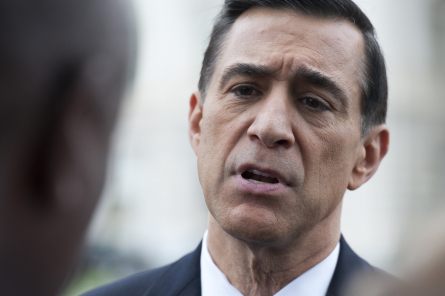
The House paused Wednesday night to pay tribute to the lives lost at the hands of the Islamic State terror group in Beirut, Lebanon.
Rep. Darrell Issa, R-Calif., stood with members of the US-Lebanese Friendship Caucus, which he chairs, in the Well of the House to lead lawmakers in a moment of silence to honor the 43 victims who were killed when two suicide bombers attacked Beirut on Nov. 12.
“In addition to those lost in France on Nov. 13, and over Egypt on Oct. 31, almost 400 murders have been claimed by ISIS in the period of less than two weeks,” Issa said on the floor. He urged his colleagues to sign onto a resolution introduced Wednesday condemning the Beirut attack and pledging support for Lebanon.
Issa, whose grandparents were Lebanese immigrants, added that they also “urge the administration to do everything in its power to bring those responsible to justice.”
BEIRUT, Lebanon — It was a scene of chaos and confusion. Smoke filled the air and shattered glass crunched underfoot as the injured were raced away from the scene. Bodies lay strewn on the ground.
A bomb had just exploded on a busy shopping street in Bourj al-Barajneh, a neighborhood in Beirut’s southern suburbs. It was early evening and the street was packed with people, some returning home for the evening, others meeting friends.
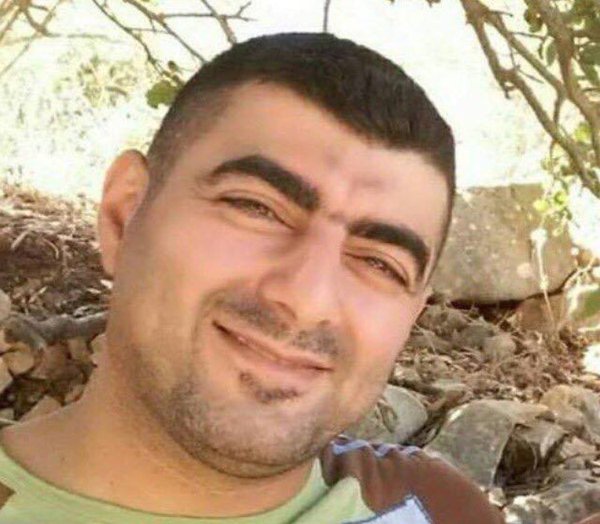
Adel Termos, a 32-year-old father of two, had been drinking coffee at a cafe on the street when the explosion happened. His story of heroism during the attacks has spread far and wide in Lebanon, and thousands have paid tribute to the man who may have saved hundreds of lives.
He survived the first bombing, and was standing about 100 meters away from where the explosion took place. This is when his neighbor, Hussein, saw him. Hussein had been helping the wounded and moving bodies at the site of the first explosion.
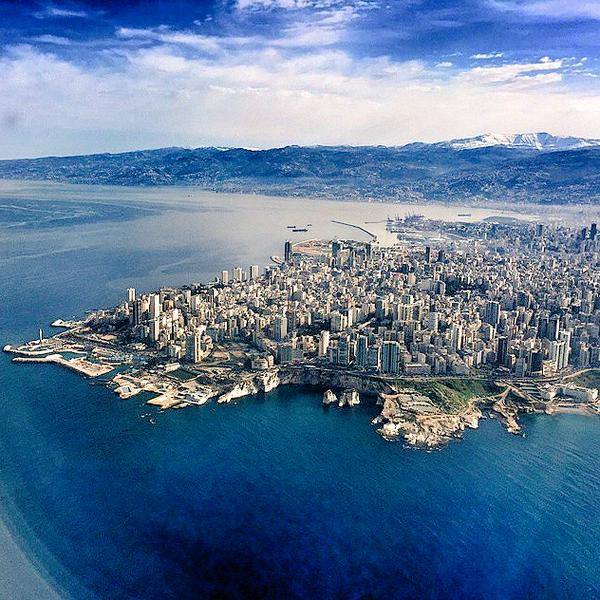
BEIRUT, Lebanon — How many bombs would have to go off in Paris before the next one would get the same reaction as a bomb in Beirut? Is it the frequency of horrific events that makes us numb to them, or the familiarity of one place over another that determines our response?
These are some of the questions being asked in the wake of two terrible terrorist attacks on two different continents.
Paris and Beirut are linked by history, culture and language. In what many consider to be its heyday — post-independence and pre-civil war — Beirut was commonly referred to as "the Paris of the Middle East." Now some are cynically, and half-seriously, calling Paris "the Beirut of Europe."
Yet two attacks carried out by the Islamic State just one day apart have revealed a stark difference in the way violence in these two cities is perceived. Not just by people in the West. Even within Lebanon, there’s a difference in attitudes about domestic terror and attacks that happen abroad.
Forty-three people were killed when two suicide bombers detonated their devices in the middle of a busy market street in southern Beirut last Thursday evening. Just a day later, coordinated attacks across Paris paralyzed the city, and left 129 people dead.
By: Abdullahi Ahmed An-Na’im, The Conversation
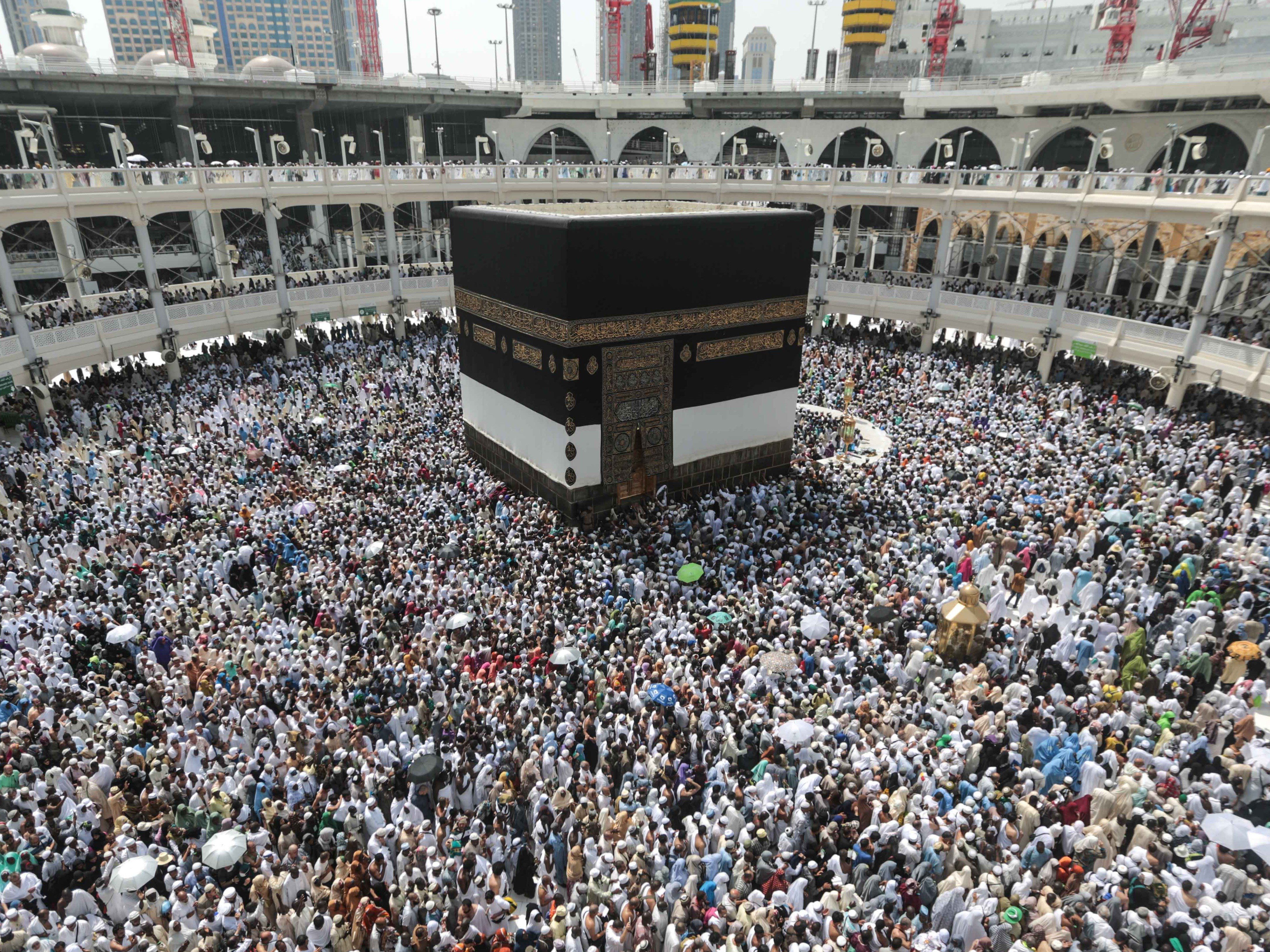
The media coverage of the terrorist atrocities of Friday November 13 in Paris would seem to promote an almost mythical image of the Islamic State (ISIS). What humanity needs, however, is to demystify ISIS as a criminal organization. And that need is particularly important in my community – the Muslim community.
The vast majority of Muslims almost certainly (we do not have exact figures) feel moral revulsion and outrage about the violence perpetrated by ISIS. Indeed, Egypt’s top Sunni cleric, to name just one example, was quick to denounce the perpetrators of Friday’s “hideous and hateful” attacks.
However, the truth of the matter is that ISIS leaders and supporters can and do draw on a wealth of scriptural and historical sources to justify their actions.
Traditional interpretations of Sharia, or Islamic law, approved aggressive jihad to propagate Islam. They permitted the killing of captive enemy men. They allowed jihadis to enslave enemy women and children, as ISIS did with the Yazidi women in Syria.
catholicherald.co.uk
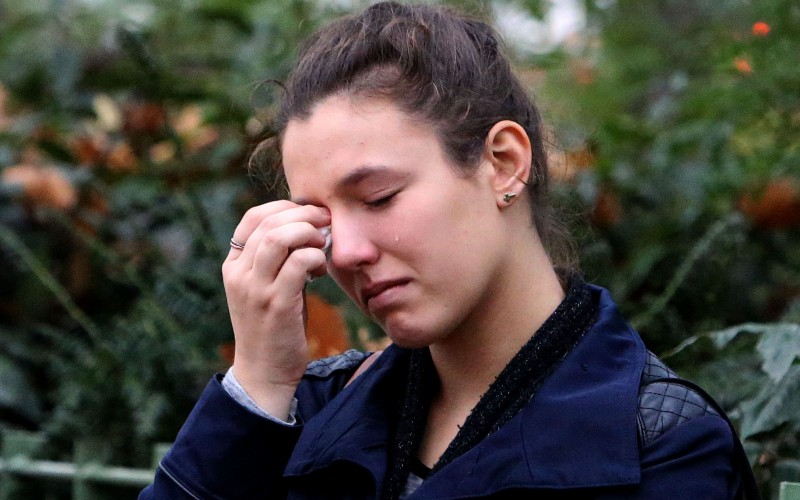
Catholic leaders around the world condemned terrorist attacks in Paris and Beirut, offering prayers and condolences. "The time has come for the world to stand united against terrorism and to confront the reasons of terrorism, such as feelings of oppression, hatred, bad education and fanaticism, with no double standards,” said the Jerusalem-based Assembly of Catholic Bishops of the Holy Land.
They called for a unification of “forces of good” and “countries and followers of all religions against violence, which hits the world with increased brutality.” Otherwise, they said, it will hit everyone “sooner or later.” “We express our full solidarity with the French and Lebanese peoples and with the victims of terrorism and their families in Paris and Beirut and worldwide,” they said. “We pray to the almighty for healing the wounded and consoling those who are grieving,” they added. “We pray also for terror preachers and promoters so they backtrack and regret what they do.” In Beirut, the Assembly of Catholic Patriarchs and Bishops in Lebanon concluded its meeting on November 14, a day after multiple terror attacks in Paris left at least 129 people dead and wounded hundreds more and two days after a twin suicide bombing in Beirut’s southern suburbs killed at least 46 people and wounded more than 200. Islamic State claimed responsibility in both cases.
theglobeandmail.com
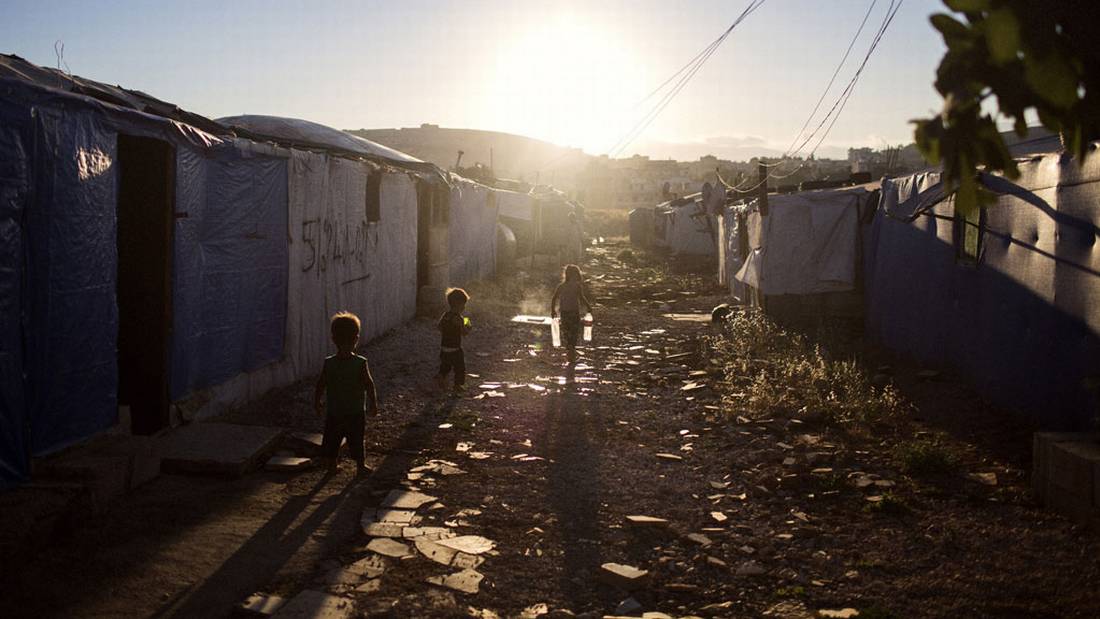
It’s like a prison,” Akaber Mohammed says of her family’s life as refugees in Lebanon. “No, it’s a coffin,” her husband, Khaled al-Lawz, counters. “And I’m suffocating inside it.”
Even before the Paris attack, the 1.1 million registered Syrian refugees in Lebanon – many of whom are among the poorest of those fleeing their homeland’s civil war – lived in an increasingly precarious limbo. Now, the bloodshed unleashed in France by Islamic extremists is deepening European fears of Muslims and threatening to create an atmosphere even less welcoming for those fleeing war in the Middle East.
by
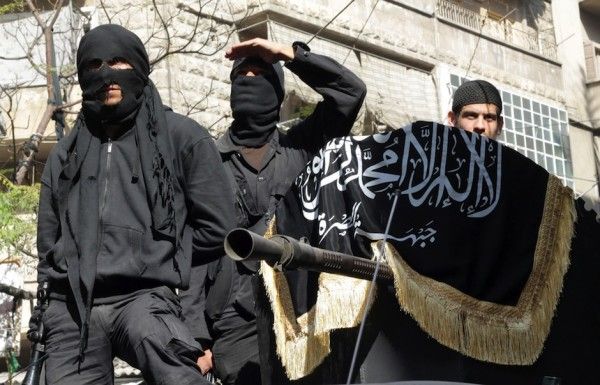
The Al-Qaida linked al-Nusra Front has demanded control over two towns held by the Syrian regime near Lebanon and the release of five women from Lebanese jails in return for freeing the captive Lebanese servicemen, a spokesman for the families of the Lebanese hostages said on Monday.
“Al-Nusra’s emir in Syria’s Qalamoun, Abou Malek al-Talli, has sent a new demand with the families who visit their sons every now and then in the vicinity of (the Lebanese border town of) Arsal,” Hussein Youssef, the father of captive soldier Mohammed Youssef, told Turkey’s state news agency Anatolia.