daily start.com.lb Lebanon’s ranking in the World Bank’s annual report Doing Business, which measures ease of doing business in 189 economies, slipped from 121 in 2014 to 123 in 2015, a sign that the country did not make any serious efforts in introducing reforms and improving the business climate. Ghobril said that Lebanon’s ranking is […]
Doug Bandow
Lebanon is the Middle East’s only melting pot. Never has the region more needed a peaceful Arab oasis.
However, the country is a sectarian volcano. The capital is but a short drive away from the Syrian imbroglio. A fourth of Lebanon’s current population is refugees. Sectarian fractures are widening as the government faces paralysis.
But Lebanon has not yet erupted, so it receives little attention from a U.S. administration overwhelmed with crises in the Middle East. If the country crashes, so will the only Middle Eastern model for tolerant coexistence. Lebanon desperately needs statesmen willing to look beyond their personal and group interests.
Modern Lebanon emerged from the ruins of the Ottoman Empire with France controlling former Ottoman provinces dominated by Maronite Christians and Druze, a Shia Muslim off-shoot.
catholicherald.co.uk
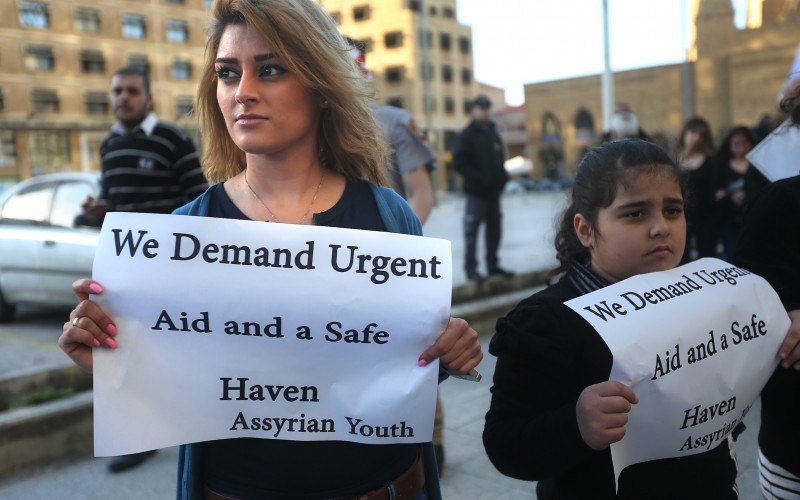
The British government has agreed to consider if the slaughter and expulsion of Christians from the Middle East by Islamist terrorists constitutes genocide, but said it was reluctant to use the term. Baroness Anelay of St Johns, Minister of State at the Foreign Office, told the Lords that she would “reflect” on whether brutality inflicted on minorities by ISIS amounted to efforts to eradicate them completely.
She said the Government acknowledged that ISIS was “persecuting individuals and communities on the basis of their religion, belief or ethnicity, and its murderous campaign has resulted in the most appalling humanitarian crisis of our time”.
But she said the Government was reluctant to profess the view, held by Pope Francis, that the persecution was genocidal, but added: “I will certainly continue to reflect on that.”
By Tamara Pupic
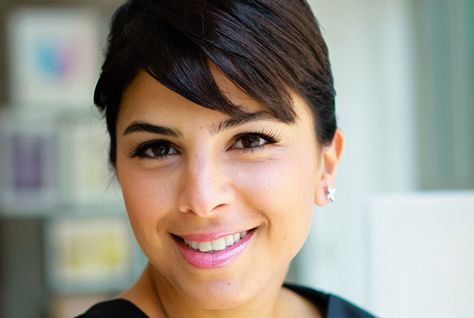
Having founded the MENA’s first freelance marketplace to provide a solution for the growing unemployment challenges back in 2012, Loulou Khazen Baz, founder of Nabbesh.com, has now set her eyes on creating virtual jobs for young people in Palestine.
Partnering with Qatar-based social imitative Silatech, Nabbesh has launched Fursati, meaning ‘my opportunity’, a pilot social programme to connect Gulf-based businesses with qualified Palestinian freelancers.
Baz has been reported as saying that the programme is a business opportunity with immense impact since 52 percent of Palestine’s university graduates were unemployed in the second quarter of 2015, according to the Palestinian Central Bureau of Statistics.
Joseph A. Kechichian Senior Writer
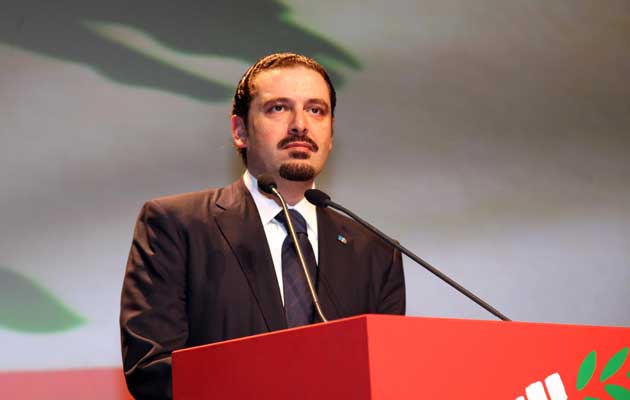
“Any Lebanese cannot but feel insulted by the scenes of the garbage that floated in Beirut’s streets and the rest of the regions,” declared former prime minister Sa’ad Hariri in a statement released by his press office, as he reiterated his support to the incumbent, Tammam Salam, caught in a particularly vicious Catch-22 situation. The Future Movement leader blamed Hezbollah for the on-going freeze of major socio-political institutions, and pledged that he would not allow the “Party of God” to “undermine dialogue”.
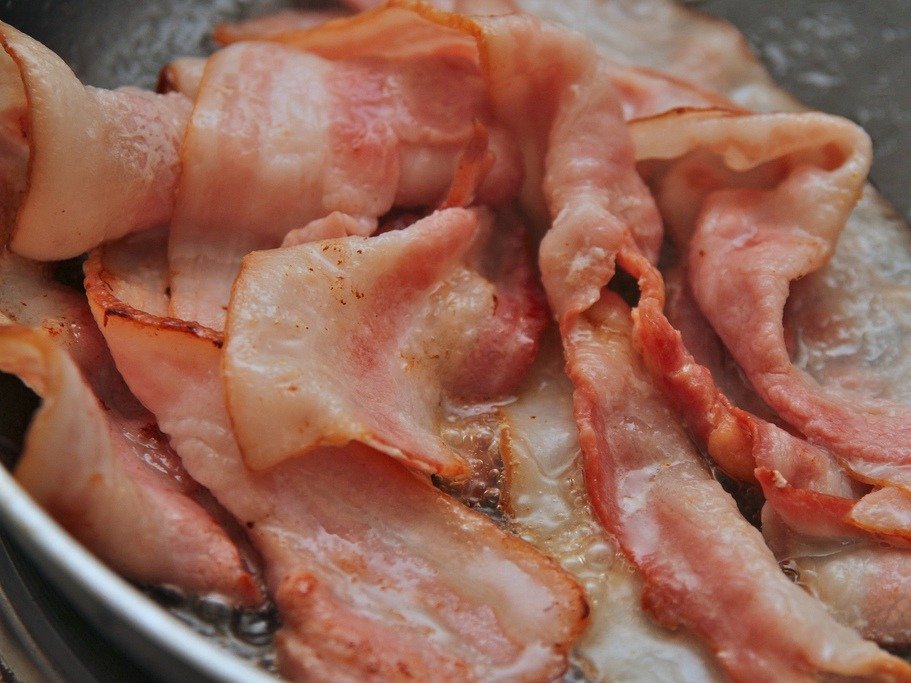
The World Health Organization has published a paper linking processed meats — including everyone’s favorite, bacon — to cancer.
They also found links between red meat and cancer, but those were less definitive.
Here’s what the researchers wrote in their study about both foods:
Cancer and red meat: There is limited evidence in human beings for the carcinogenicity of the consumption of red meat.
Cancer and processed meat: There is sufficient evidence in human beings for the carcinogenicity of the consumption of processed meat.
In other words, while they found some evidence to suggest that there are links between eating red meat and developing cancer, it was limited. On the other hand, they found "sufficient" evidence to make the claim that eating processed meat increases your chances of developing cancer.
worldfinance.com
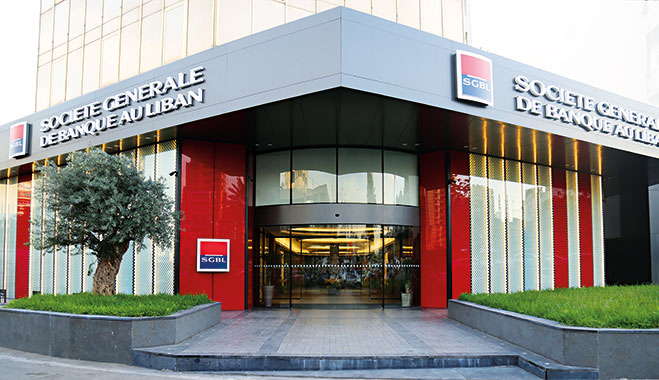
Despite the deteriorated conditions in the Middle East, which subdued growth in Lebanon, the country’s banking sector has proven itself to be remarkably resilient to external shocks. Banks in Lebanon have, despite the adverse conditions, continued to pursue expansion.
The sector’s size is 3.6 times larger than the rest of the economy. Banks’ domestic assets reached $180bn at the end of June 2015, an increase of 49 percent over the past five years, whereas GDP has been growing at an average annual rate of 2.1 percent over the same period. Deposits have grown 50 percent between 2010 and 2015, while loans to the private sector have increased by 63 percent. Like much of Lebanese society, the country’s financial institutions have proven themselves to be remarkably resilient, weathering crisis after crisis and continuing to function in the face of adversity.
New York Times
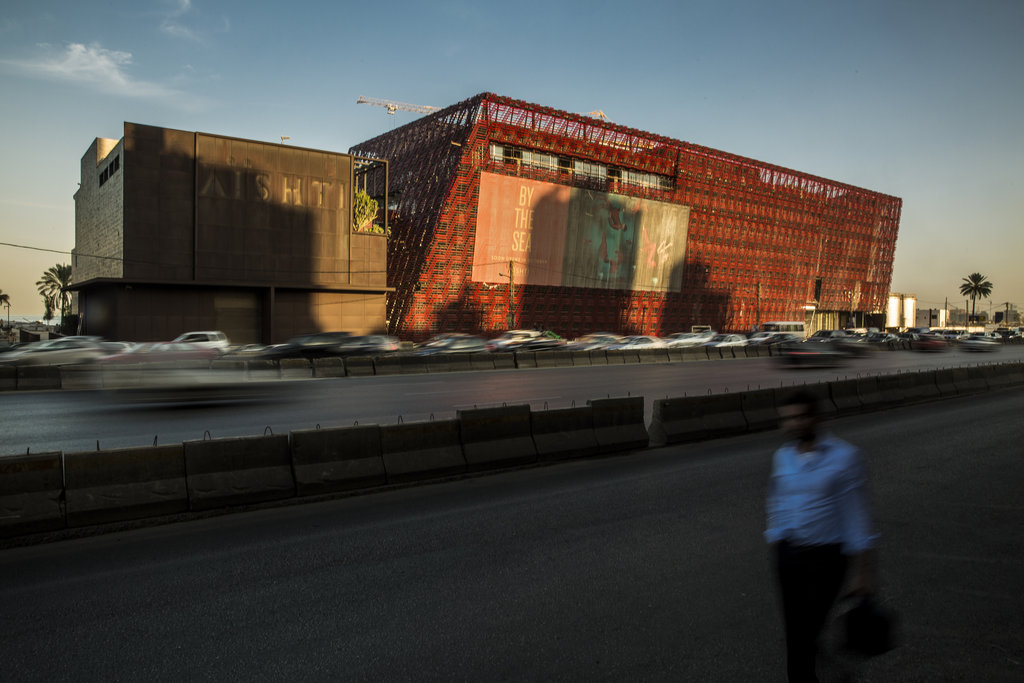
BEIRUT, Lebanon — The Aishti Foundation, a splashy new waterfront art space and shopping mall that opened on Sunday, showcases the blue-chip contemporary art collection of a Beirut luxury retail magnate. Massimiliano Gioni, the globe-trotting artistic director at the New Museum in New York, assembled the first exhibition. The prominent architect David Adjaye designed the building.
All that star power has helped confirm Beirut’s place on the international art and fashion map. But Aishti is just one of several art spaces that have opened recently or are planned here, enlivening an already rich cultural ecosystem. This month, the Sursock Museum, with a collection of Lebanese art in a historic mansion, reopened with fanfare after an eight-year renovation, while a museum of the City of Beirut is under construction, and a new contemporary art space and an archaeological museum are being planned, among other projects.
The creative ferment is happening even as unrest in the region and domestic political instability have ground the economy and tourism to a near halt and threaten to embroil Lebanon in new conflicts. Beirut is also a city where luxury towers are redrawing the skyline while the arrival in recent years of an estimated 1.5 million refugees from neighboring Syria has strained the infrastructure of a country of 4 million. A crisis over garbage collection recently plagued the city, but seems to have subsided.
By Michael Karam, .thenational.ae
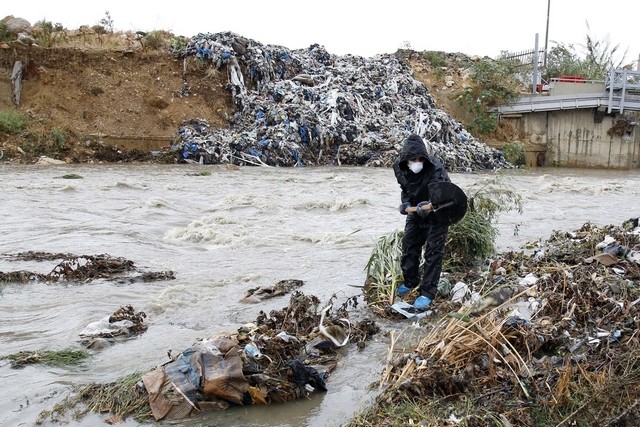
There has been only one story coming out of Lebanon at the moment: the denouement of the environmental disaster that is a direct cause of the ongoing four-month rubbish crisis. Its consequences will have a direct effect on the political, social and economic future of the country for many months, perhaps even years, to come.
I lived in Lebanon for 22 years, from 1992 to 2014. During this time, I experienced three wars, a revolution and an attempted coup. The period involved the last 13 years of the Syrian occupation, which ended in 2005. Then we had five years of political assassinations and terror attacks before the outbreak of the Syrian civil war.
Quite a catalogue, you might think, but we never really lost our cool, because we Lebanese know we live in a tricky neighbourhood and that we are not always masters of our own destiny. In any case, not only have we been trained to knuckle down and get on with it, we have an inbuilt aversion to rocking the boat. If compromise can be achieved, why make a fuss? The latter is our Achilles heel.
By Sylvia Westall
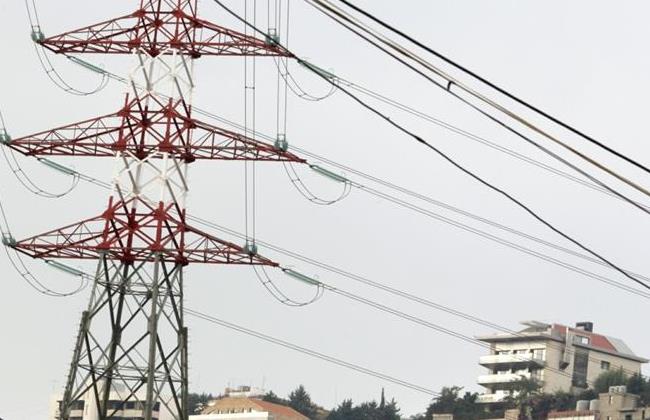
BEIRUT, Oct 26 (Reuters) – Four decades ago, Lebanon used to export power to its larger neighbour Syria. Now it barely generates enough electricity to keep street lamps on at night.
The situation is so bad that even people fleeing the conflict in Syria have been heard to complain.
Outages have plagued Lebanon since its own 1975-1990 civil war and the power crisis is a legacy of that conflict, with the country now shackled by paralysis in government and widely perceived corruption that has put a brake on development.
"The situation (with electricity) is not bearable for the Lebanese people any more," said Mustafa Baalbaki, the creator of a phone app, Beirut Electricity, which tracks outages and is used by 15,000 people daily.


Population Movements to Keserwan - The Khazens and The Maans
ما جاء عن الثورة في المقاطعة الكسروانية
ثورة أهالي كسروان على المشايخ الخوازنة وأسبابها
Origins of the "Prince of Maronite" Title
Growing diversity: the Khazin sheiks and the clergy in the first decades of the 18th century
Historical Members:
Barbar Beik El Khazen [English]
Patriach Toubia Kaiss El Khazen(Biography & Life Part1 Part2) (Arabic)
Patriach Youssef Dargham El Khazen (Cont'd)
Cheikh Bishara Jafal El Khazen
Patriarch Youssef Raji El Khazen
The Martyrs Cheikh Philippe & Cheikh Farid El Khazen
Cheikh Nawfal El Khazen (Consul De France)
Cheikh Hossun El Khazen (Consul De France)
Cheikh Abou-Nawfal El Khazen (Consul De France)
Cheikh Francis Abee Nader & his son Yousef
Cheikh Abou-Kanso El Khazen (Consul De France)
Cheikh Abou Nader El Khazen
Cheikh Chafic El Khazen
Cheikh Keserwan El Khazen
Cheikh Serhal El Khazen [English]
Cheikh Rafiq El Khazen [English]
Cheikh Hanna El Khazen
Cheikha Arzi El Khazen
Marie El Khazen