International Business Time
By
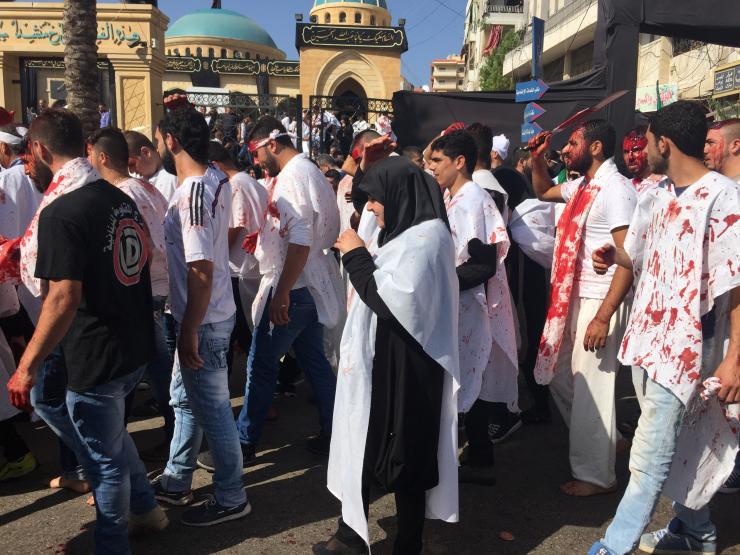
NABATIYE, Lebanon – Hundreds of bloodied faces fill Nabatiye Square on a Saturday morning in southern Lebanon, some belonging to children too young to walk. Boys and men are casually wielding swords large enough to be visible from a second floor balcony. In the sun, their open wounds ooze, and the air is rancid with raw flesh, a heaving mass that smells like a butcher’s shop.
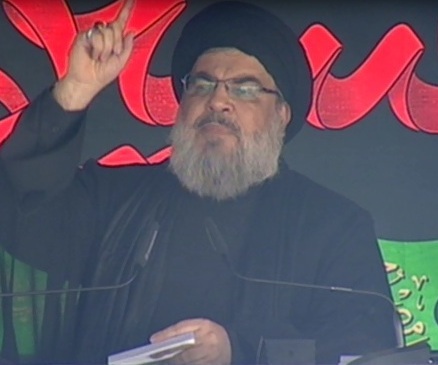
This bloody spectacle is an annual tradition on the Day of Ashura, the tenth day of the first month in the Islamic calendar, when members of the Muslim Shia sect come together to mourn, with self-inflicted punishment, the battlefield death of Imam Hussein bin Ali bin Abi Taleb, a grandson of the Prophet Mohammed. In the town of Nabatiye, men show solidarity with Hussein by making small cuts to the crown of their heads before repeatedly striking themselves to ensure the incisions do not clot. The practice is symbolic, to express regret that the mourners are not able to fight alongside Hussein. But this year, the self-flagellation has taken on a more desperate quality — many in attendance believe they are continuing Hussein’s fight for Shiite Muslims on the battlefields of Syria, where the Lebanese Shiite militant group Hezbollah has been fighting alongside the Syrian regime.