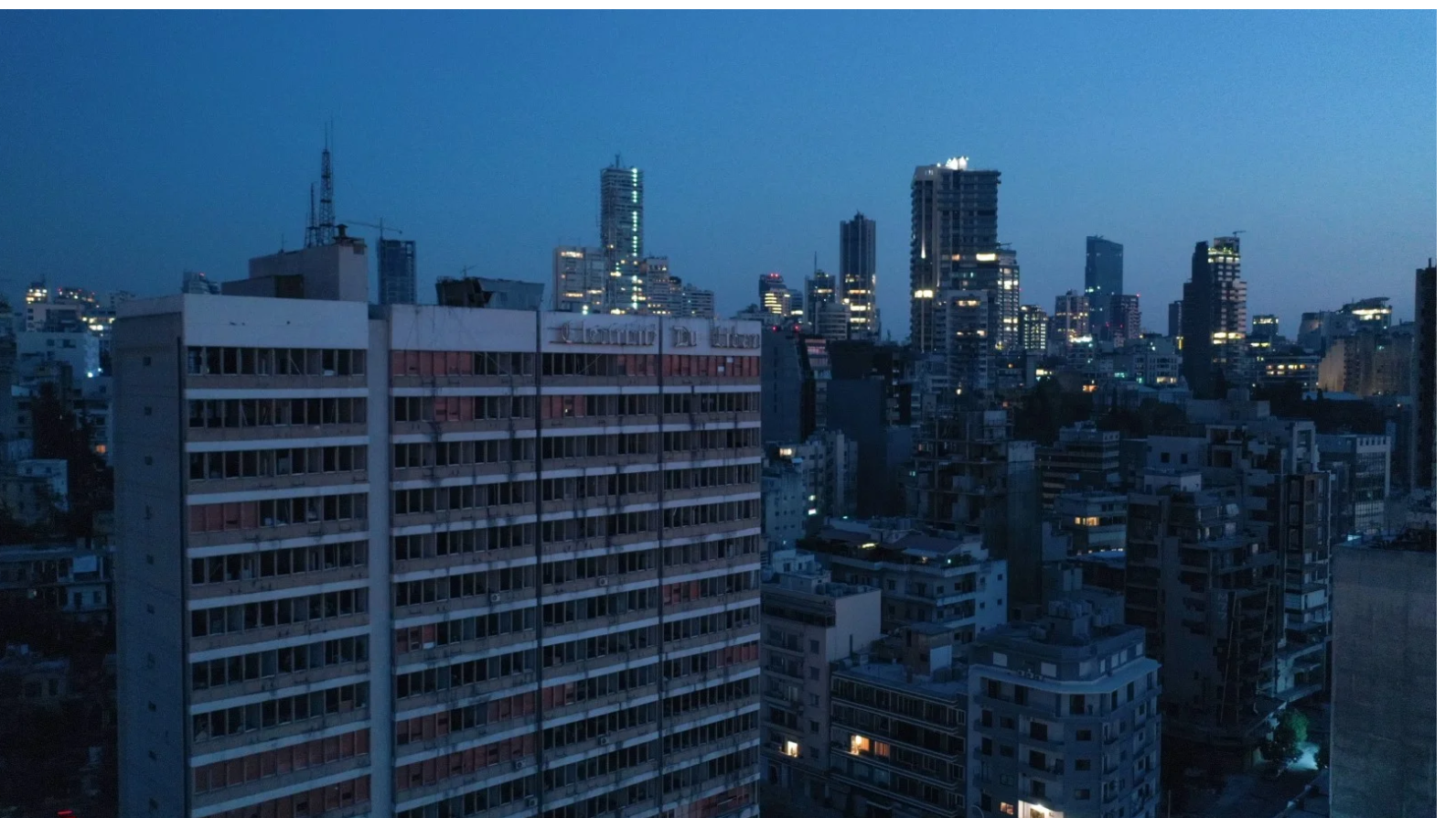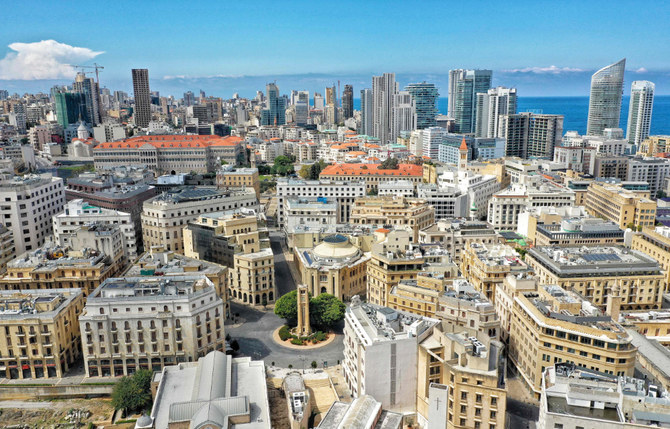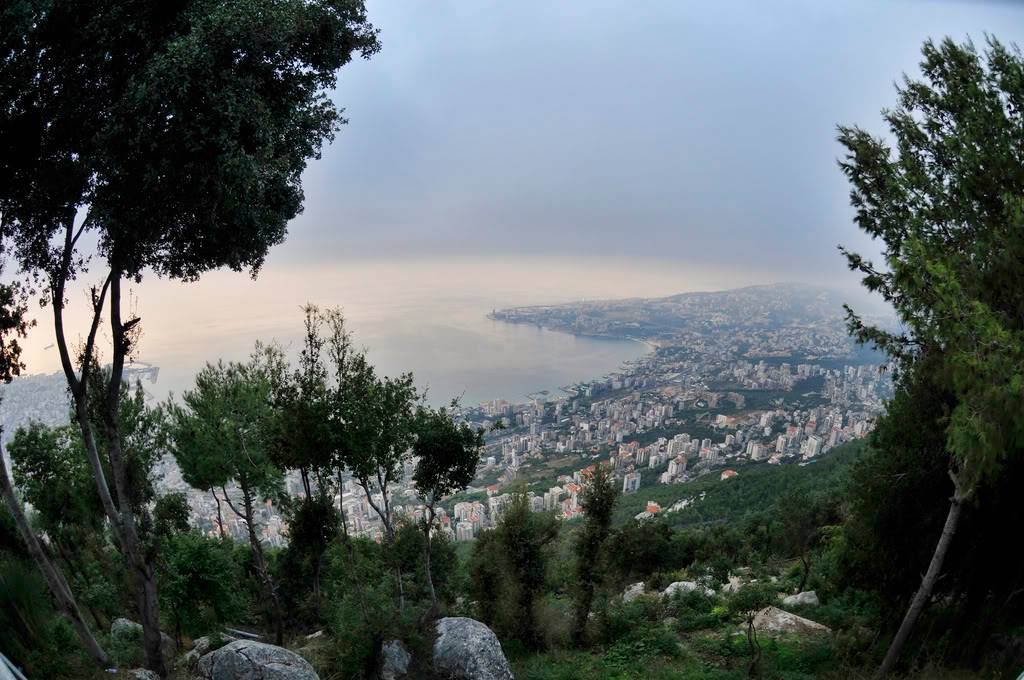
by middleeasteye.net — By Marie de La Roche Saint-André in Beirut — The lack of state regulation of growing urbanisation in Lebanon has led to an anarchic expansion and degradation of the country’s natural heritage at a time of chronic political and economic unrest. Lebanon is one of the most urbanised countries in the world: 88.76 percent of its population is living in or near existing built-up areas, according to a UN report. The report, published in 2021 by the United Nations Human Settlements Programme (UN-Habitat), attributes the problem partly to the fact that the Lebanese state has had a “laissez-faire” policy when it comes to development, but it also highlights a number of other factors that aggravate the situation. These include limited local planning regulations and the absence of urban policies, the formation of informal, slum-like, areas on the outskirts of cities, the illicit use of public properties, alongside the progressive loss of green spaces, natural resources, and biodiversity.
The phenomenon is not new. As early as the 1950s, there was already an increase in illegal construction due to urban pressure, the influx of mainly internal refugees, and an unstable political context. The irregular district of Ghobeiry in the southern suburbs of Beirut bears particular witness to this phenomenon. After the crisis of 1958, which was caused by political and religious tensions, the district suffered its first wave of public land occupation. The Lebanese civil war (1975-1990) exacerbated the problem under the command of the municipality led by the Shiite Amal movement, in particular, because of the influx of refugees. Where bordered by the sea, slums now stretch for several kilometres along the coast.