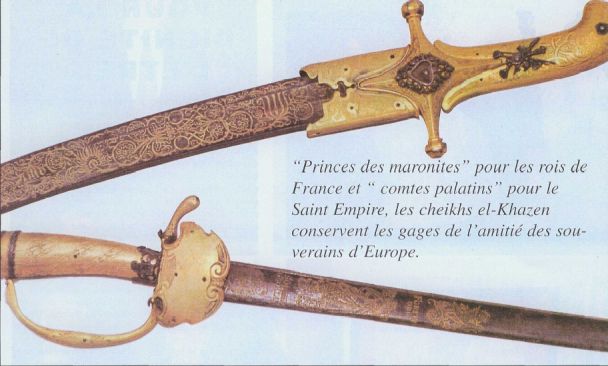
Khazen

MP Farid Elias El Khazen interview

لبنان السياسي والشعبي ليس مهيئا اليوم لإلغاء الطائفية السياسية" الخـازن: لإنضـاج الظروف لتكون الهيئة إصلاحية لا إجرئية فقط


أضاف: الحكومة الأخيرة تشكلت نتيجة ظروف عربية ودولية معروفة. لكن اللبنانيين لم يتعافوا بعد من مفاعيل الأزمة التي بدأت منذ العام 2005 وحتى اليوم مرورا باتفاق الدوحة والانتخابات النيابية، والوضع ليس طبيعيا للانتقال الى موضوع بأهمية إلغاء الطائفية السياسية. كما أن القوى السياسية بتجاذباتها رغم الوفاق الحاصل في الحكومة ليست مهيئة للدخول بعد في عمل جدي يصل الى نتيجة في هذا الموضوع في وقت منطقي على مستوى الطوائف والأحزاب. وشدد الخازن على أهمية إنضاج الظروف لتتمكن الهيئة من العمل بجدية والإنتاج وإلا ستكون كسائرها من الهيئات التي شكلت بعد الطائف". وقال: إذا تمكنا من إنجاز أي موضوع يرتبط بإلغاء الطائفية السياسية نكون مهدنا وأعطينا الثقة وبرهنا للسياسيين والرأي العام أن هناك عملا أنجز في هذا الاتجاه وهذا ما سيساعد على الوصول الى توقيت مناسب لإنشاء الهيئة. 
وأكد الخازن أن "طرح إلغاء الطائفية اليوم لا يعطي النتيجة المطلوبة فلا وجود لأي إشارة الى أن الظروف مؤاتية كما أن المجتمع ليس مهيئا أكان على الصعيد السياسي أو الشعبي وهذا ما يظهر في المواقف وغياب التوافق وهناك مسار يجب سلوكه يتوج بهذا الأمر لأن إلغاء الطائفية بمثابة العمود الفقري للنظام السياسي اللبناني.


المركزية – أكد عضو تكتل "التغيير والإصلاح" النائب فريد الخازن أهمية أن "تكون الغاية من طرح تشكيل هيئة لإلغاء الطائفية السياسة إصلاحية لا إجرائية فقط"، لافتا الى أن "لبنان على المستوى السياسي والشعبي ليس مهيئا لهذا الأمر الذي يشكل مادة سجالية". 
ورأى في حديث الى "المركزية" أنه "من الطبيعي أن يطرح الرئيس نبيه بري الموضوع من زاوية تطبيق إتفاق الطائف والدستور وهذا من حقه ومن واجبه القانوني"، لافتا الى "صحة القراءة التاريخية والدستورية التي ذكرها الرئيس بري في مؤتمره الصحافي". وشدد على ضرورة أن "تكون الغاية من هذا الطرح إصلاحية لا إجرائية فقط وأن تكون هناك ثقة بأنها ستصل الى نتيجة ضمن فترة زمنية معينة.  
وتوقف عند قول الرئيس بري بأن الموضوع بحاجة الى سنوات طويلة وسأل: "ما الهدف من إنشاء الهيئة اليوم طالما أن الظروف لم تجهز بعد"، مشددا على أهمية أن "تتمكن الهيئة من الإنتاج وأن يكون هناك مسار قابل للتنفيذ والتطبيق وصولا الى إلغاء الطائفية. 
 

Read more
Sleiman raps US travel measures

By Nafez Qawas , BEIRUT: President Michel Sleiman said Monday that any discriminatory procedures which may harass the Lebanese ought to be condemned and criticized. In the wake of a botched Christmas Day bid to blow up a Detroit-bound Northwest airliner, the United States decided to tighten security measures for airline passengers traveling from Lebanon and […]

Read more
Politics adds touch of colour to Christmas in Lebanon

Beirut – Christmas in Lebanon is quite a colourful occasion – at least far as the political parties are concerned. In addition to the festive season’s traditional red and white, streets and neighbourhoods are decked out in the colours of the political parties in control there.   For followers of Christian opposition leader Michel Aoun, […]

Read more
Better Syrian-Lebanese Ties


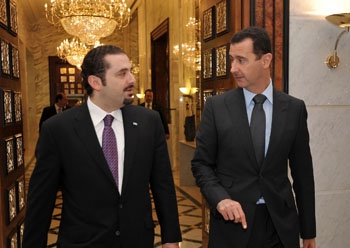
The recent visit of Lebanon’s prime minister, Saad Hariri, to Syria could herald an improvement in ties between the two nations after almost five years of political wrangling, analysts say.  The symbolism of the trip was particularly significant since Hariri had repeatedly accused Damascus of being responsible for the killing of his father, former premier Rafik Hariri, in February 2005. Hariri, who met the Syrian president Bashar al-Assad on December 20, described his visit to Damascus as “historic”. We want privileged, sincere and honest relationships [with Syria],” the prime minister said in a press conference in the Syrian capital at the end of his two-day trip, which came shortly after his newly-formed government won a vote of confidence in parliament. Analysts said that by visiting Damascus, Hariri was acknowledging a belief common in Lebanon that the country needed to maintain good relations with its larger neighbour to guarantee internal stability. “Syria is the key to stability and security in Lebanon,” said a Damascus-based political analyst, who spoke on condition of anonymity. He added that the Lebanese had realised in the past five years that their country couldn’t “live in peace while showing hostility towards Syria”.

Read more
Settling old scores

Lebanon and Syria have turned one page but have they started a new one? Omayma Abdel-Latif reports from Beirut,

In February 2006, Mahdi Dakhallah, then Syrian minister of information and today serving as Syria’s ambassador to Riyadh, spoke confidently of how Lebanese politicians spearheading a campaign against Syrian President Bashar Al-Assad would eventually struggle to mend fences with Damascus.

"We are used to Jumblatt’s gimmicks," Dakhallah said, referring to Lebanese Druze leader Walid Jumblatt who orchestrated the March 14 campaign against Syria. "He will eventually want to come back to Damascus."

Anyone listening to Dakhlallah then could have been forgiven for thinking that like many Syrian politicians at the time he was in a state of denial about realities on the ground.

Al-Assad’s regime was isolated regionally and internationally, and Syria had been branded a key actor in the so-called "axis of evil" by the US Bush administration. One of the goals of the so-called Lebanese Cedar Revolution was regime change in Syria, according to its main architect, Jumblatt.

The assassination of Lebanese politician Rafik Al-Hariri in February 2005 has also proved a crucial test for Al-Assad’s regime, forcing it to make painful decisions, such as ending three decades of Syrian presence in Lebanon and withdrawing Syrian troops in April 2005.

In the years that followed, Damascus’s policies towards Lebanon were improvised rather than chosen. Yet, despite its isolation the regime proved resilient. Al-Assad reconciled himself with the fact that Damascus would have to make tactical changes if it were to contain international pressure and regional isolation.

Read more
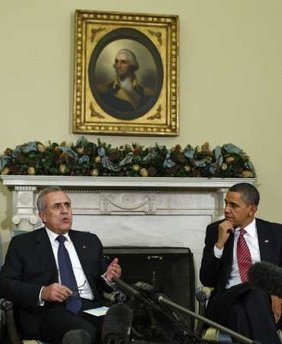
President Obama and Suleiman meetings
Washington, 15 December (WashingtonTV)—US President Barack Obama pressed Lebanon on Monday to take action against arms smuggling into the country which he said threatened Israeli security. Obama said after a White House meeting with Lebanese President Michel Suleiman that there had been some progress in enforcing a United Nations Security Council resolution banning such shipments but that more needed to be done.

Suleiman called on Washington to do more to pressure Israel to end its repeated incursions on Lebanese territory, singling out the Israeli threat for harming developing in his country. Obama, for his part, reminded Suleiman that "extensive arms" smuggling into Lebanon posed a direct threat to Israel. On Hezbollah’s weapons, the U.S. president said that while there are differences between the two governments on that issue, the overall relationship with Beirut is one based on peace. What we do share is a commitment to resolve these issues through dialogue and negotiations, as opposed to through violence," he said

Please Click Read More to read the complete transcript and FULL Comments of Both Presidents Obama and Suleiman

Read more
.Lebanese Fashion Shines

By BROOKE ANDERSON
The nominations haven’t been announced yet, but Lebanese designers are already busy making dresses that will likely appear on celebrities during next year’s award season.

"This is the time of year we start our [haute] couture collection for Paris fashion week in January," says George Chakra, who designed Helen Mirren’s dress when she won the 2007 Oscar for best actress. "It’s usually from these fashion shows that celebrities pick their dresses."
 

At the beginning of the year, Lebanese designers Elie Saab and Rabih Kayrouz participated in the semi-annual weeklong haute-couture fashion show in Paris as part of the prestigious Chambre Syndicale de la Haute Couture. Zuhair Murad, Mr. Chakra and Georges Hobeika showed their collections on their own during the same week, making the total of Lebanese designers who debuted their work in Paris at least five. Mr. Chakra calls this phenomenon "the Lebanese invasion," similar to the 1980s when Japanese designers burst onto the scene.

Read more
Lebanese woman sentenced to prison for beating her Filipino maid

On 9 December 2009, a criminal court judge (single judge) in Batroun sentenced a Lebanese woman who beat the Filipino maid who was working at her home to 15 days of prison, to a fine of fifty thousand Lebanese Pounds, and to payment to Jonalin Malibago, the Pilipino maid, of ten million and eight hundred Lebanese Pounds in compensation.

Al-Akhbar newspaper declared it “victory of the judiciary” and hailed it as an important step on the road to fighting racist behavior of some Lebanese. What gave the sentencing importance is the presence of the victim in her home country, the Philippine. The judge refused the request of the Lebanese woman to bring the victim in front of the court.

Read more
Lebanon parliament backs unity government


BEIRUT – Lebanese Prime Minister Saad al-Hariri’s government won a resounding vote of confidence from parliament on Thursday, paving the way for his expected visit to Syria for talks with the country’s president.

Hariri said his government was committed to defending its territories and its water. “This issue concerns all the Lebanese and this is what we agreed upon in article 6 of the ministerial statement,” he added, referring to the clause related to the resistance’s arms. 
 
Four out of 128 lawmakers missed the sixth parliamentary session aimed at holding the government accountable for its policy statement. MP Nicholas Fattouch from the Zahle in the Heart bloc, a member of the parliamentary majority, did not grant the Cabinet the vote of confidence, while Jamaa al-Islamyia MP Imad al-Hout, also a member of the majority, abstained from voting.
Read more