إلى سفّــــــــاكي الــــــــدم في العـــــــراق
إلى أيـــــــن تهربــــــون يـــــا "أولاد الأفـــــــاعي" ؟
الأب الدكتور يوسف مونّس
<><>
الى اين تهربون يا قتلة الكاهن عادل يوسف في العراق وانتم تتكلمون على الاسلام الرحمن الرحيم ووجه عيسى منوّر في القرآن، كما وجه امه مريم النقية المصطفاة؟ دماء الابرياء النقية تنتصب امامكم كأشجار النخيل في سهول العراق. انها تسيل كنهري دجلة والفرات ولن يوقف مجراها لا رصاصكم ولا خناجركم تدعون باسم الله عليها وتذبحون وتعتقلون والله منكم براء. أصدق الحجاج عندما قال فيكم يا اهل العراق يا اهل الكذب والنفاق؟
صراخ الابرياء الذين غسلوا ثيابهم بدم الحمل، كما يقول كتاب الرؤيا، يسألكم "ماذا فعلت بأخيك"؟ انه دمه يصرخ الي الى السماء؟ "وملائكتهم يعاينون وجه الله"! "وهم مولودون من الله" وانتم من "الوحش ولدتم" كما يقول الكتاب، وستذهبون الى "النار" الى "الجحيم" الى "الهاوية" الى "جهنم" ولا سماء لكم ولا اله. انتم كما يقول يسوع "الحيات اولاد الافاعي، وقبور مكلسة". وانا غاضب اليوم، انا الذي كتبت لاجل طفل اسمه "علي صلب في العراق"، وقد تُرجم هذا النص الى الفرنسية والانكليزية والالمانية… انا غاضب قلق، ودمي ينزف ودموعي وانا اصلي. لكن صراخ اليهود ضد يسوع، يضج في اذني: "ليكن دمه عليكم وعلى اولادكم" وهو يقول "اغفر لهم يا ابتاه لانهم لا يدرون ماذا يفعلون". لينزل عليكم غضب السماء ولعنة الارض كما قال الكتاب "ستكون ملعوناً بسبب الدم الذي سفكته، سيأكل السرطان والوباء والبرص والطاعون عظمكم ولحمكم وتقتلكم جريمتكم، لاجل الاثم الذي صنعتم. "الا تخافون الله"؟
ستلحس الكلاب دماءكم في الساحات، كما لحست دم نابوت اليزرعيلي ودم المطران رحو ودم الكاهن عادل وكل الابرياء والانقياء والشهداء. الكاهن الرقيق الرهيف اللطيف يقف هنا مع يسوع يغفر لكم مع بقية الكهنة والاساقفة والرهبان والراهبات والمسيحيين المؤمنين الذين سقتموهم "كشاة الى الذبح" امام الكنيسة او في الاقبية او على الطرقات. رمال بوادي بغداد تزهر عقيقاً احمر ينشد للقيامة والحب والرجاء والسلام. ماذا فعل الاب عادل لتذجوه بالرصاص امام مذبحه وكنيسته ورعيته؟ ماذا فعل الا انه صلّى باسم الله؟ واحب اله المحبة حتى انه بذل نفسه، كما يسوع، عن احبائه؟ الا انه تعمد باسم يسوع ولبس المسيح وقام كاهناً امام الرب وامام الناس؟ هزّتني مشاهد موته ودفنه وحزن اهله وعائلته ووجهه البهي الشاب المنذور لحب كل اهل العراق وكنيسته المشرقية السريانية الارثوذكسية وخدمة كنيسة الرب.
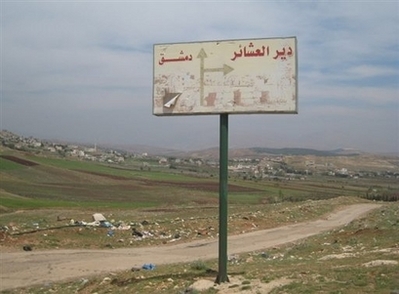 by Rita Daou, AYHA, Lebanon (AFP) – As night falls on remote villages in eastern Lebanon that border Syria streets and alleyways bustle into life as a small army of pick-up trucks, mules and cars are readied for action. Loaded up with whisky, bread, metal and other goods, drivers head for the dirt roads that zig-zag through nearby hillsides and valleys to deliver loads to fellow smugglers across the border before returning with staples such as heating oil, laundry detergent and vegetables.
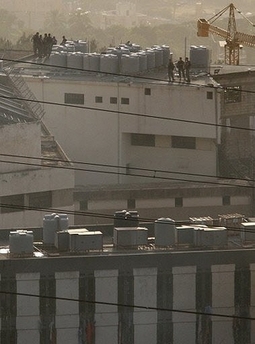 BEIRUT (AFP) – A mutiny at Lebanon’s largest prison in Rumieh during which prisoners took seven warders hostage ended peacefully early Friday, a security official told AFP. "The prisoners handed over the seven warders they were holding hostage and returned to their cells after having negotiated and handed over demands to the chief of internal security, Antoine Shakuri," the official said requesting anonymity.
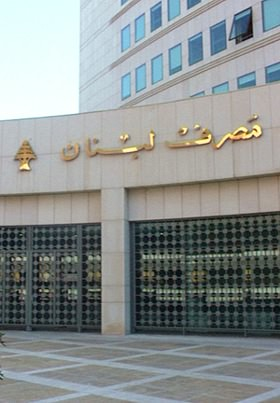 By Ferry Biedermann,
 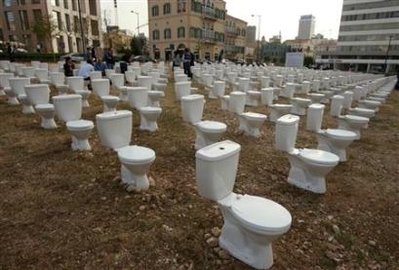 By Alistair Lyon, Special Correspondent, BEIRUT (Reuters) – Empty seats are proliferating in Beirut’s political theatre of the absurd, symptoms of a deep malaise that has crippled Lebanese government institutions, damaged the economy and fuelled fears of renewed civil war.
 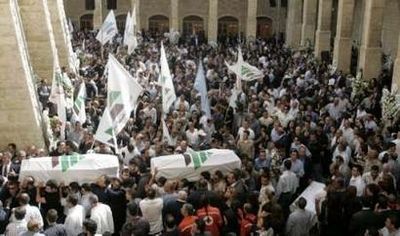 by Hassan Jarrah
 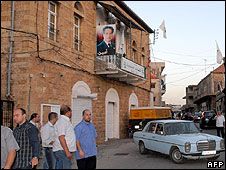 Two members of the Christian Phalange Party in Lebanon have been shot dead at the opening of a new office in the town of Zahle. It is not clear who was behind Sunday’s shooting, which injured three others. The Lebanese army has been heavily deployed in the town, and funerals are to be held on Tuesday.
  By Zeina Daccache, Two condemned prisoners residing in a high security Lebanese prison and participating in the drama therapy sessions taking place inside the facility since February 2008 recently described their experiences with the following metaphors: "Prison is a microcosm of the outside world; it holds all kind of people, from differing religious communities and from differing regions throughout Lebanon and consequently belonging to different political parties. In prison, absurdly as it sounds, one learns how to reconcile with the other before returning to the biggest prison: the Lebanese society, (IF, we ever return to it)" – E.F., a Lebanese Christian from Mount Lebanon.
 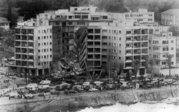 WASHINGTON (AFP) – Secretary of State Condoleezza Rice on Friday joined fellow US diplomats in marking the 25th anniversary of the bombing at the US embassy Beirut which killed 52 people on April 18, 1983. "Even when the tragedy of April 18 was followed by further attacks on our Marine barracks later that year, on our embassy annex in 1984, and still others beyond that, the terrorists never broke our will," Rice said during a ceremony at the State Department. "It is in continuing to champion the cause of a democratic Lebanon that we pay greatest honor to those who died and those who suffered on that day." The attack by the Islamic Jihad Organization, which US officials have said was a forerunner of Hezbollah the Iranian- and Syrian-backed Shiite militia, was at the time the deadliest attack ever on a US diplomatic mission.



