Lebanon in the Period of Cheikh Hossun El Khazen
03 April 2008
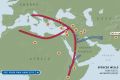
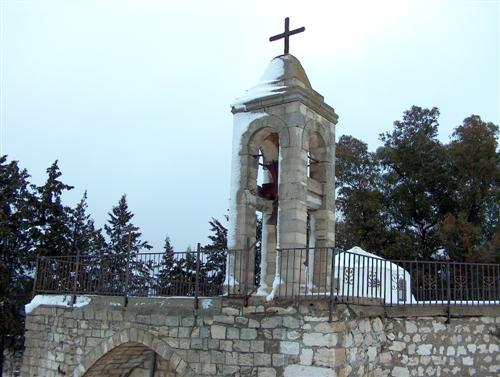
After death of Cheikh Abi Nawfal, his sons carried on managing Emir Ahmed Maa’n’s governing. Their skills did not fail their father, grandfather, and relatives from the Khazen family’s skills as they continued working on development and tightening the Catholic faith and its defence. Following this, other Catholic faiths such the Armenian and Assyrian turned to Keserwan to seek protection against oppression of their enemies. The Khazen Cheikhs in return, provided them areas to live in and a source to make a living out of; they followed heritage of their father and grandfather by welcoming Latin missionaries who would make Keserwan their stay.
In year 1693, the country faced a crisis which led to end of Emir Ahmed’s governing. Following that, Emir Musa, the Yamni, took control of seven counties which Emir Ahmed Maa’n controlled. He ordered troops to be sent to Bekaa’, a thing that led Cheikh Hossun son of Cheikh Fayyad or Abi Kanso son of Abi Nawfal El Khazen and other Cheikhs to turn to Darsen Mohammed Tofotaj Pasha, asking not to permit army to enter Keserwan and pursue an act of steeling and robbing. Pasha Darsen’s reaction was understanding and appointing Cheikh Hossun El Khazen a Treasure Supervisor over tax and payments which people of Jbeil’s counties had to pay; this appointment included welfare of these counties. Cheikh Hossun?s handling of such position was effective because of hard work, and he made sure that protection is provided to any one who is a Emir or of a common people class, having them Kaisses.
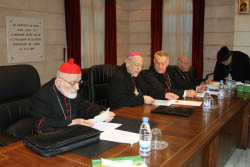 By Maroun Khoury and Nafez Qawas, BKIRKI: The Council of Maronite Bishops called on Wednesday for the immediate implementation of the Arab initiative to solve the deadlock in Lebanon, while sounding the alarm concerning "strenuous" economic conditions faced by the Lebanese. The Maronite bishops said it was unfortunate that a Lebanese president was not able to participate in the recent Arab summit, especially after the Arab League had stressed the need to elect a president in Lebanon. "We call for internal and external cooperation to implement the Arab initiative to solve Lebanon’s crisis," the bishops said after their monthly meeting in Bkirki.
  By CLAUDE SALHANI, UPI Contributing Editor, WASHINGTON, March 31 (UPI) —
 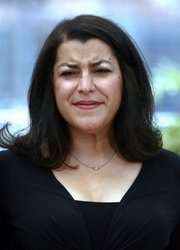 BEIRUT (AFP) – Lebanese authorities reversed on Thursday a decision to ban the prize-winning animated film "Persepolis," following an outcry and claims the measure was aimed at pleasing Iran and Shiite clerics. The general security department, which initially prohibited the film, said the ministry of interior, of which it is a part, had "decided to authorise the film’s distribution in Lebanon".
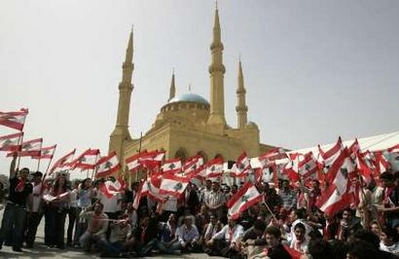
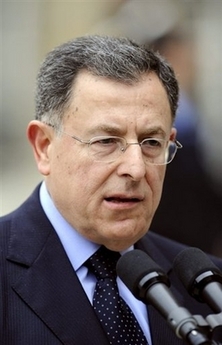 Lebanon’s prime minister accused Syria on Friday of blocking the election of a new Lebanese president and deepening the country’s 16-month political crisis through its interference in the country’s internal affairs. Fuad Saniora said Lebanon decided earlier this week to boycott this weekend’s Arab summit in the Syrian capital of Damascus because Beirut is usually represented by its president.
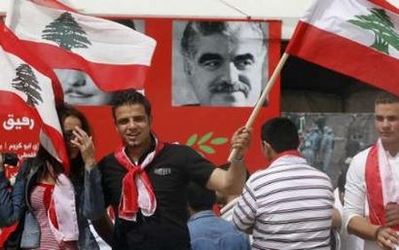 United Nations, Former Lebanese prime minister Rafik Hariri was assassinated by a criminal network that is linked to some other terrorist attacks in Lebanon, the chief investigator said Friday.\In his first report to the U.N. Security Council, Daniel Bellemare said the first priority of the investigating commission he heads is to gather more evidence about the "Hariri Network," its scope, the identity of all its participants, their role in other attacks and links with people outside the network.
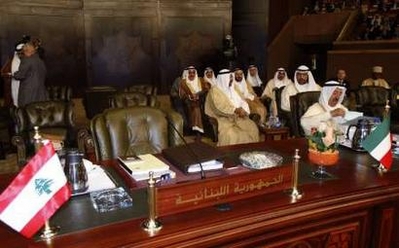 DAMASCUS (AFP) – Syrian President Bashar Al-Assad denied on Saturday meddling in Lebanon as he hosted an Arab summit boycotted by half of the region’s leaders, many of whom blame Damascus for the political crisis in Beirut. I would like to make a point with regards to Syrian interference in Lebanon. It is the contrary which is true because pressure has been exerted on Syria for over a year to interfere in Lebanon’s affairs" but we have refused to do so, Assad said.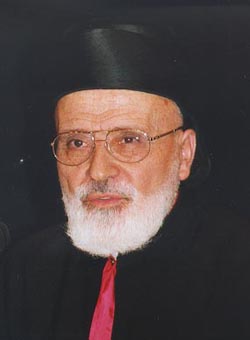
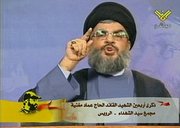 BEIRUT (Reuters) – Hezbollah said on Monday talks for a prisoner swap with Israel were continuing despite the killing of its top military commander in an assassination the Lebanese guerrilla group blamed on the Jewish state. Sayyed Hassan Nasrallah reiterated his pledge to take revenge for the February 12 assassination of Imad Moughniyah. "We shall pick the time, the place, the punishment and the means and method," Nasrallah said.