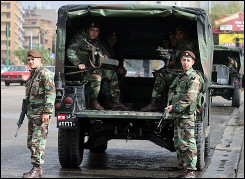
 by Jocelyne Zablit, BEIRUT (AFP) Lebanon’s army arrested 17 people on Saturday, including several soldiers, over the shooting deaths of seven people during protests in Beirut that raised fears of civil unrest in a country already gripped by political crisis. "In light of the events that took place on January 27 in the region of Mar Michael and Shiyah and that led to the deaths of seven civilians and left a number of people injured, including soldiers, the military police ordered these arrests," a statement said.
Those detained included three officers, two non-commissioned officers, six soldiers and another six civilians. The statement said some were arrested for causing public disorder and several for illegally carrying weapons. It said 29 civilians, including five minors, had been released after questioning, while the identities of another three suspected of having incited violence were being checked.
The statement said 85 civilians and 120 soldiers had been questioned, and that weapons seized were being tested to see if they had been fired. Sunday’s violence broke out after youths protesting power cuts in the Shiite district of Shiyah entered the nearby Christian area of Ein el-Rommaneh and began throwing stones and setting cars on fire. The situation quickly escalated after a member of the Shiite party Amal was shot in the back.
 Daily star,
 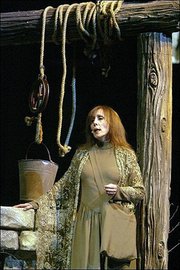 DAMASCUS (AFP) – Lebanese diva Fairuz has taken to the stage to perform in the Syrian capital for the first time in more than 20 years to the rapt delight of her fans. The singer, 73, electrified her audience with a host of favourites on Monday night, including the operetta Sah al-Nawm which tells the story of a village chief who is always sleeping and fails to address the needs of villagers.
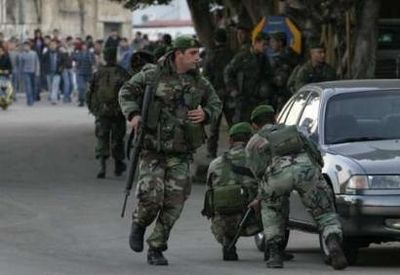 Jan 27- Seven people have been shot dead in Lebanon’s capital after protests over power cuts. At least five of the dead in Sunday’s clashes in Beirut were supporters of the opposition, opposition sources said. At least four of the dead were close to the Hezbollah, which together with Amal has the support of the country’s Shia population.
 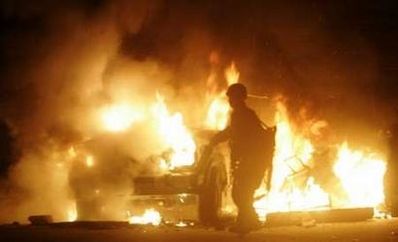 The deadlock has fuelled sectarian tensions between Shia Muslims loyal to the opposition Hezbollah and Amal factions, and Sunni supporters of Saad al-Hariri, who leads the governing March 14 coalition. Amal, which is led by Nabih Berri, the parliament speaker, called on its followers to halt the protests. "We have no link to this action. We call on people not to react. We call on them to pull out of the streets," Ali Hassan Khalil, a senior Amal official, told the Reuters agency. Hezbollah members used loudspeakers to urge calm. The violence escalated after an Amal activist was shot dead when the army moved to break up a demonstration against power cuts.
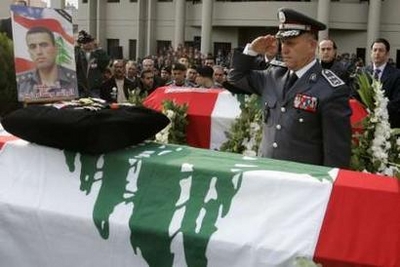 By Yara Bayoumy, BEIRUT (Reuters) – Lebanon’s police chief vowed on Saturday to confront those who "terrorize this nation" at a memorial service for a police intelligence officer killed in a car bomb attack the previous day. Captain Wisam Eid, who helped investigate assassinations in Lebanon, and his bodyguard were killed when a car bomb ripped through a Christian suburb of Beirut on Friday. Police said the death toll in the attack had risen to five, from four, and there were 42 wounded.
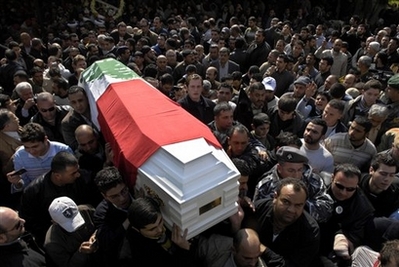 President Bush offered his condolences. "This bombing, the latest in a series of terrorist attacks targeting those who are working to secure Lebanon’s independence and sovereignty, is a part of the continuing assault on Lebanon’s institutions," Bush said in a statement.
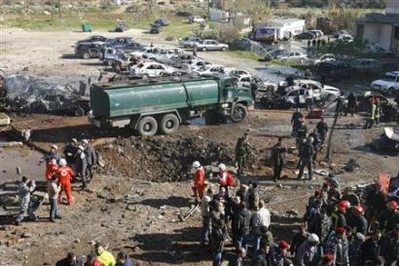 Red Cross ambulances evacuated at least a dozen casualties, after a powerful explosion tore through rows of parked cars, near a major highway overpass, targeting a top Lebanese police investigator.Firefighters worked feverishly to douse the blazing wreckage of twisted automobiles, as thick plumes of acrid black smoke choked the air. Lebanese security officials say top police investigator Wissam Eid, the apparent target of the blast, died immediately.
 BEIRUT, Lebanon
 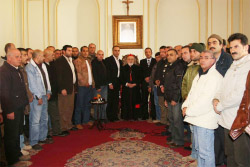 daily star BEIRUT: Several pro-government delegations visited Bkirki Thursday to express solidarity with Maronite Patriarch Nasrallah Butros Sfeir after Marada Movement leader Suleiman Franjieh launched a verbal attack on the prelate. "Father forgive them for they don’t know what they are doing," Sfeir said Thursday in an apparent response to Wednesday’s attack on him by Franjieh.
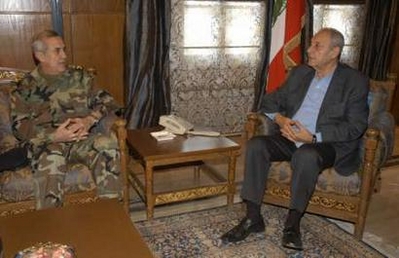
 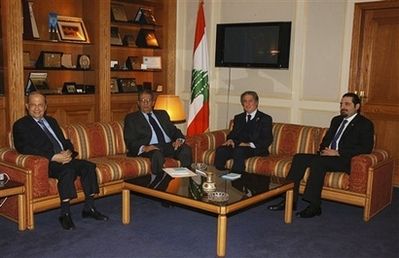 Top leaders from Lebanon’s parliament majority and the opposition met for the first time in three months Thursday as part of efforts by the head of the Arab League to end Lebanon’s 15-month-old political crisis. Majority leader Saad Hariri and opposition leader Michel Aoun met Thursday at the parliament building in downtown Beirut. They were joined by Arab League Secretary-General Amr Moussa and former Lebanese President Amin Gemayel. Hariri and Aoun held several meetings last year, including one in Paris in October. The opposition recently named Aoun as its representative in any meetings with the majority – a move that was rejected by the anti-syrian group for weeks.