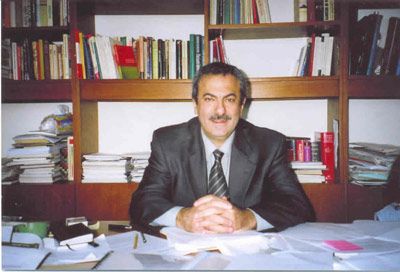
التواصل ضرورة خصوصا ان الطريق لم يعد مقطوعا امــــام الاطراف"
الخازن: لقاءات اليوم تسهّل اجراء انتخاب رئاسي لا يكون سببا لازمة جديدة
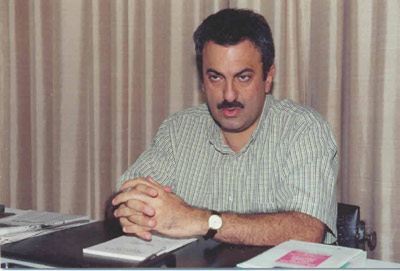 |
| المركزية – اعتبر عضو تكتل "التغيير والاصلاح" النائب فريد الخازن ان التواصل مسألة ضرورية خصوصا ان الطريق لم يعد مقطوعا بين بعض الاطراف. ورأى في لقاءات اليوم في المجلس النيابي أمر جيّد يسهّل ويمهّد اجراء انتخابات رئاسية لا تكون سببا لازمة جديدة في البلاد، مشددا على ان العمل الجدي للدخول في الاستحقاق الرئاسي يفترض تشاورا وتواصلا مع الجميع. وقال في حديث الى اذاعة "صوت لبنان" ردا على سؤال: "المهلة الدستورية لانتخاب رئيس للجمهورية تبدأ اليوم. وامامنا نحو شهرين لانتخاب الرئيس وهذا أمر طبيعي ان لا يتم انتخاب رئيس للجمهورية في اليوم الاول لهذه المهلة حتى في الظروف العادية، في مرحلة سابقة قبل الحرب في لبنان لم يتم الانتخاب في اليوم الاول من المهلة الدستورية لكن اليوم يبدأ العمل جدياً لانتخاب رئيس جمهورية من اليوم حتى انتهاء المهلة، وأرى اننا اليوم دخلنا المرحلة الجديّة والعمل الجدي للتوصل الى توافق والى انتخاب رئيس جمهورية بحسب الاصول الدستورية". اضاف: "يجب ان لا ننسى اننا اليوم ندخل المهلة الدستورية ونحن في أزمة سياسية والبلاد في أزمة مرتبطة بالحكومة منذ نحو عشرة شهور ولا بد من التمهيد والتشاور والتواصل، ولكن التواصل مقطوع كما هو معروف للتوصل الى إتمام الاستحقاق الرئاسي بحسب الاصول الدستورية". وعن التواصل على خط كتلة "التغيير والاصلاح" قال: "من جهتنا سيكون وفدا يمثل التكتل ليلتقي الرئيس بري، وبما ان اليوم الجلسة تشاورية واذا تم الاتفاق اليوم على انتخاب رئيس جمهورية نحن جاهزون لهذا الامر لكن كما هو واضح ولا نكشف سرا عندما نقول ان الاجواء اليوم ليست مهيّأة بالشكل المطلوب وايضا هناك خلاف حول تفسير الدستور". |
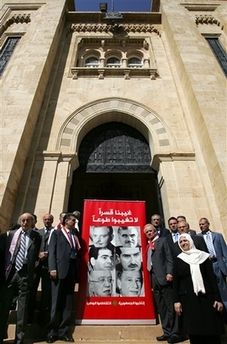 A bitterly divided Lebanese parliament adjourned Tuesday without officially beginning the process of selecting a new president.Two-thirds of members must attend before an official session can be held. The next session has been scheduled for October 23.Members of parliament arrived in armored convoys, traveling under the protection of security details. The downtown area was sealed off as concrete barriers diverted the normal flow of traffic.
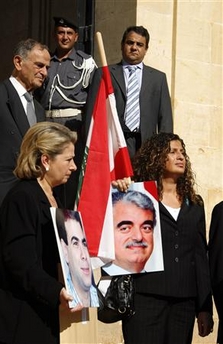 One MP, Ghinwa Jalloul, waved a Lebanese flag from her car and held up a picture of former prime minister and MP Rafiq Hariri whose assassination in February 2005 lies at the root of the current crisis."Long live Lebanon," she shouted to reporters before entering the building.The perimetre around the imposing structure was off-limits to normal traffic after elite troops and tanks deployed in the area. Checkpoints were also set up throughout the city creating traffic jams, and many businesses were shut.Ali Bazzi, an MP with the opposition Amal movement, reiterated that his camp would only take part in Tuesday’s session if the feuding political parties agreed on a consensus candidate.
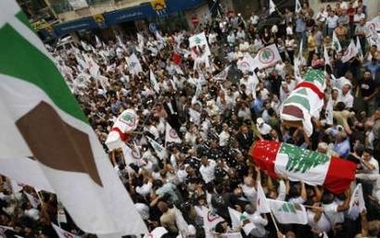 Khazen.org offers its deepest condoleances to the families of Antoine Ghanem, Nuhad Gharib, Tony Daou, Charles Chikhani, Sonia Baroudi.
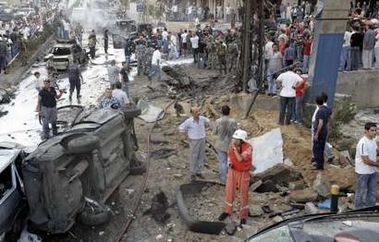 BEIRUT, Lebanon Sin el Fil — Lebanese parliamentarian Antoine Ghanem was killed in a massive bombing in Beirut on Wednesday, according to Lebanese Broadcasting Corp., quoting a member of Ghanem’s Phalange Party. At least 4 other people were killed in the explosion, according to a high-ranking government official.
 Israeli warplanes have flown at low altitude over southern Lebanon in defiance of a United Nations resolution, reports from Beirut say. The fighter jets allegedly caused sonic booms as they flew over the cities of Sidon and Tyre, as well as the towns of Bint Jbeil and Marjayoun. Israel has so far made no comment on the Lebanese claims.
  19 September 2007 BEIRUT: In its latest report for the fourth quarter of 2007, London-based Business Monitor International (BMI) maintained its 2007 real GDP growth forecast for Lebanon at 2 percent. However, the agency, which conducts credit rating and country risk research, believes that this growth is propelled by postwar reconstruction activity rather than a vibrant overall economic situation.
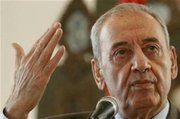 BEIRUT Daily Star: Speaker Nabih Berri declared Thursday that no Parliament session can take place without him, and warned that while the Lebanese Army would remain united during a widely feared domestic political crisis, the Internal Security Forces (ISF) might split. Appearing on the country’s most influential political talk show, the Lebanese Broadcasting Corporation’s "Kalam al-Naas," Berri warned that despite what some in the March 14 camp might think, Parliament cannot convene to elect a new president without him.