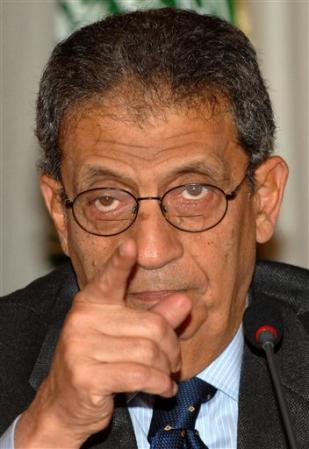
 Arab League (AL) Secretary-General Amr Moussa Saturday said that the Arab mediation for Lebanese political crisis will continue and warned against more escalation, the Lebanese Broadcasting Corp. TV reported. "I can not say that the Arab initiative to solve the Lebanese crisis was a success nor I can say it was a failure, but I assure it will not stop," Moussa told reporters at a news conference held in Lebanese government offices.
Moussa also called for no more escalation for the current crisis because "Lebanon is facing a dangerous turning point." The AL chief previously arrived here on Tuesday for a new round of talks with Lebanese rival leaders, and then left for Damascus for couple of days seeking for Syrian backing to ease the growing tensions in Lebanon.
During his Tuesday visit in Lebanon, the Moussa held separate talks which he described as "positive" with Parliament Speaker Nabih Berri, Premier Fouad Seniora, parliamentary majority leader Saad Hariri, Free Patriotic Movement leader Michael Aoun and ex- president Amin Gemayel.
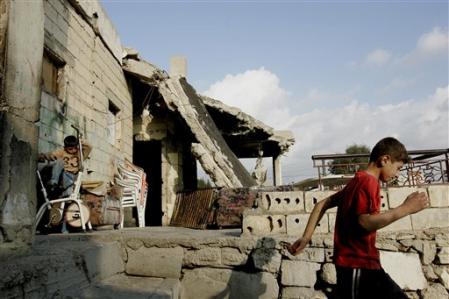 BEIRUT, 24 December (IRIN) – The lack of centralised, detailed development-related data in Lebanon has hampered the efficiency of emergency and rehabilitation efforts, humanitarian experts have said. "Information has been poorly coordinated, and although you can access, for instance, statistics on a given town or village via the municipality, there is no central mechanism to provide a global view of the different projects going on in Lebanon at any given time," said Rabih Bashour, coordinator for the relief and reconstruction committee at local NGO Al-Huda Society for Social Care.
 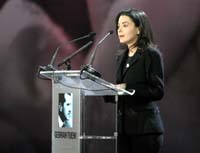 Daily Star , BEIRUT: "Dialogue is the most important thing for Lebanon today," boomed the voice of late MP Gebran Tueni, recorded more than a year ago and aired Sunday at a conference commemorating the slain journalist’s life and media freedoms in the Arab world. For a few brief moments Sunday, the MP and An-Nahar general manager came back to life in front of print journalists gathered to mark the first anniversary of his December 12, 2005 assassination in a car bombing.
 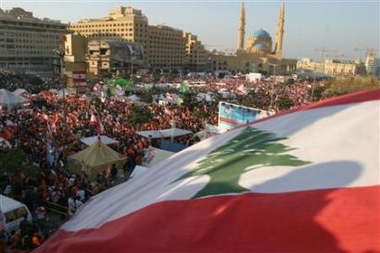 Al-Jazeerah, December 10, 2006 The Lebanese opposition composed of supporters of Hizbullah, Amal, Michel Awn, Franjiyeh, and Talal Arslan staged their largest protest ever. Lebanese army officers estimated it as hundreds of thousands filling Riyadh Al-Sulh Square, Martyrs Square, and nearby streets, bringing Beirut to a standstill.
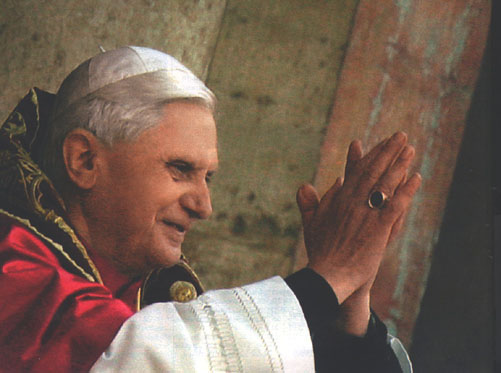 Rome, Dec. 11, 2006 (CWNews.com) – Pope Benedict XVI voiced his concerns about the Middle East, and particularly about Lebanon, during his Angelus audience on Sunday, December 10. Speaking to large crowd of about 40,000 people in St. Peter
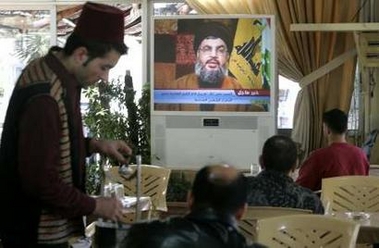 By Anthony Shadid, Washington Post, Two of Lebanon’s most powerful television stations played to their crowd. Future Television, loyal to Hariri and his Sunni constituency, devoted extensive coverage to the counterprotests in Tripoli. Hezbollah’s Al-Manar, calling the protests in Beirut “an unprecedented popular flood,” aired four scenes simultaneously of the crowds surging downtown. The broadcast was laced with the vocabulary of the summer war with Israel: victory, steadfastness and salvation.“People who survived 33 days of war in the south have no problem staying here for a year, or even two,” said Nada Mroueh, joining protesters flying flags that denoted their affiliation — yellow for Hezbollah, orange for Aoun, green for Amal. “Is it wrong to ask for our rights? Is Siniora more Lebanese than us? We are Lebanese, too.”
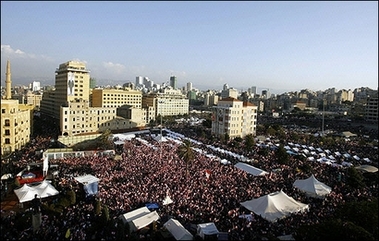 BEIRUT (AFP) – Lebanon’s divided factions are aiming for a political compromise after mass protests led by the opposition overwhelmed Beirut and raised fears of a return to civil strife. The protracted deadlock has paralyzed the government, opposition have clogged the capital in an escalating campaign to force a new national unity administration.
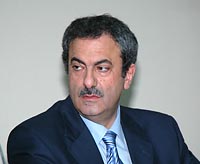 Magazine entretien Farid Elias el Khazen
 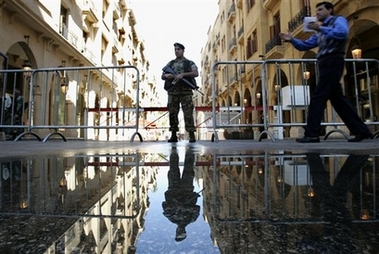 by Nayla Razzouk,
 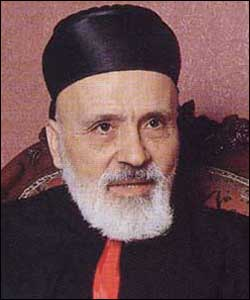 Daily star