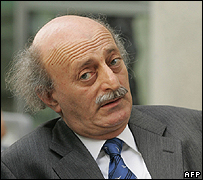
 Security officials in Lebanon say that one person has been killed and five wounded in fighting between supporters of rival Druze politicians. The clashes were between supporters of the pro-Syrian former minister, Wiam Wahhab, and the anti-Syrian politician, Walid Jumblatt.
They broke out during a dispute over the display of political posters in the town of Jahliye, south of Beirut. The security forces moved in to stop the fighting. It was not clear which side began the shooting, but acting Interior Minister Ahmed Fatfat said all the casualties appeared to be supporters of Mr Jumblatt.
Tensions, This is not the first clash between the two groups. In April, Mr Wahhab’s bodyguards shot and wounded two civilians who objected to his presence at a funeral in a Druze mountain village. Tensions between supporters and opponents of Syria’s influence in Lebanon have increased since the assassination of the former Lebanese PM Rafiq Hariri, in February 2005.
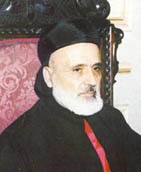 Patriarch of the Maronite Catholic Church to Make Historic Stop in the Greater Boston Area July 12-14,
 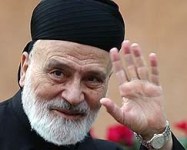 ST. LOUIS POST-DISPATCH, At a meeting with religious leaders Saturday, Lebanese Cardinal Nasrallah Peter Sfeir, patriarch of the Maronite Catholic Church, stressed the need for people of all faiths to help quell global conflict that is often rooted in religious difference."Each of us has a responsibility to look after each other," he said. "We can co-exist in harmony and respect for each other if we keep love in our hearts."

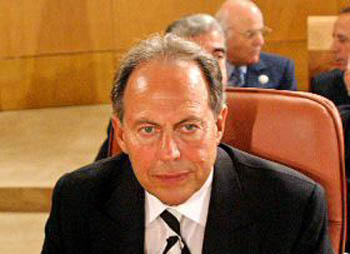 AP, Romania’s decision to invite Lebanon’s prime minister to the Francophone Summit but exclude its president has sparked a diplomatic flap with France, which has supported the snub. It is the third time in 10 months that Lebanon has found its prime minister to be more acceptable at international meetings than its president, who is seen as having been imposed on Lebanon by Syrian influence.
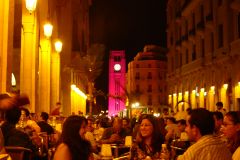 Beirut is shaking off its war- torn past to recreate itself, writes Emma Levine. Beirut drivers have a dreadful reputation, even in the context of the Middle East. For every screech of wheels taking a corner too fast, there are a dozen cases of reckless lane swapping. Crossing the road is a visitor’s main challenge.
 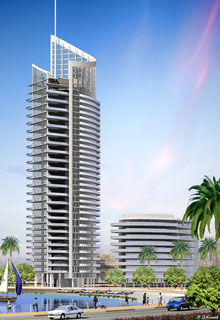 Despite deep economic and political crises, Lebanon is facing an unprecedented property boom, spurred by the appetite of developers, expatriates and Gulf Arabs.The boom started last year despite dramatic events that shook the country, and which turned on the assassination of former premier Rafiq Hariri, with property prices soaring an average of 50 per cent.