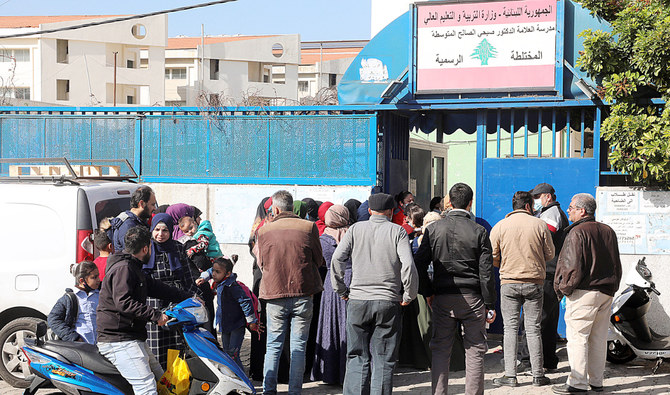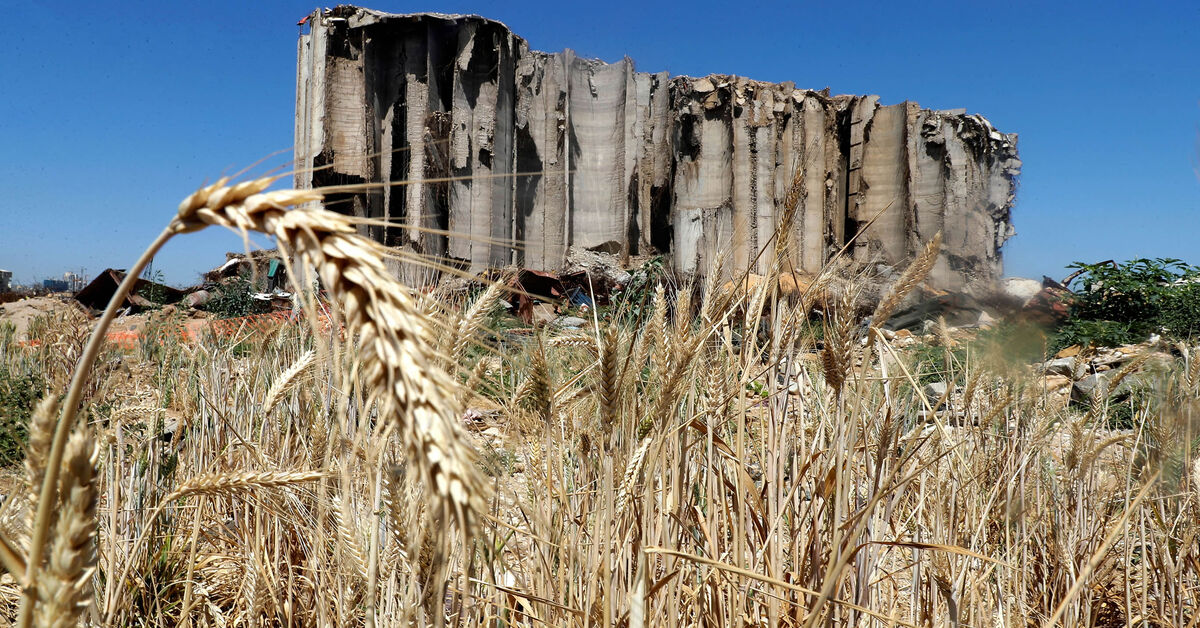
By Bahaa Hariri — arabnews.com — Russia’s decision to invade Ukraine will have ramifications that reverberate around the world for years to come. In the West, the immediate concern remains the invasion’s impact on the oil and gas markets. Yet, in countries like Lebanon, with just six weeks to two months of wheat reserves, the war’s impact on agricultural supply chains could well be the straw that finally breaks the camel’s back. With an economy struggling due to the impacts of decades of corruption, a financial crisis and COVID-19, the upcoming parliamentary elections have never been so important. My fellow Lebanese face a bleak future, with no jobs for workers, no fuel at the gas stations and food at record prices. Children are already going hungry up and down the country and, should the crisis in Ukraine continue, food prices will only skyrocket further. Given Lebanon imports more than 60 percent of its wheat from Ukraine, the situation has the potential to escalate at a frightening pace.
The elections in May remain the last chance Lebanon has to vote for a government that is willing to implement concrete policies to ease the pain of our people. Inaction or maintaining the status quo is not an option. As long as the people of Lebanon allow sectarian politics to continue, the country will be subject to manipulation, political interference and attempts to cause more chaos from the outside as well as from the political elites within. Unfortunately, the political establishment in Lebanon has closed ranks, determined to maintain its tenuous grip on power, and there is worrying speculation that the elections could be delayed. Unhelpfully, whereas the US and EU had been applying pressure on Lebanon to hold these elections, another side effect of the crisis in Ukraine is that their attention could be elsewhere.