BEATIFICATION PROCESS
Beatification requires that a miracle has occurred
Group approaches local bishop
After Rome’s approval an investigation is launched
Findings are sent to the Congregation for the Causes of Saints
Case is presented to the Pope
Blessed may be accorded a feast day
Relics of the candidate may be venerated
Canonization (actual sainthood) requires proof of a second miracle
Beatification and Canonization
HISTORY
According to some writers the origin of beatification and canonization in the Catholic Church is to be traced back to the ancient pagan apotheosis. In his classic work on the subject (De Servorum Dei Beatificatione et Beatorum Canonizatione) Benedict XIV examines and at the very outset refutes this view. He shows so well the substantial differences between them that no right-thinking person need henceforth confound the two institutions or derive one from the other. It is a matter of history who were elevated to the honour of apotheosis, on what grounds, and by whose authority; no less clear is the meaning that was attached to it. Often the decree was due to the statement of a single person (possibly bribed or enticed by promises, and with a view to fix the fraud more securely in the minds of an already superstitious people) that while the body of the new god was being burned, an eagle, in the case of the emperors, or a peacock (Juno’s sacred bird), in the case of their consorts, was seen to carry heavenward the spirit of the departed (Livy, Hist. Rome, I, xvi; Herodian, Hist. Rome, IV, ii, iii). Apotheosis was awarded to most members of the imperial family, of which family it was the exclusive privilege. No regard was had to virtues or remarkable achievements. Recourse was frequently had to this form of deification to escape popular hatred by distracting attention from the cruelty of imperial rulers. It is said that Romulus was deified by the senators who slew him; Poppaea owed her apotheosis to her imperial paramour, Nero, after he had kicked her to death; Geta had the honour from his brother Caracalla, who had got rid of him through jealousy.
 BEIRUT (AFP) – Lebanon began the countdown for legislative polls, with 51 candidates, including the son of slain former premier Rafiq Hariri, competing for 19 seats in Beirut in the first phase of the vote, the interior ministry said.
 announcement of his Beirut candidates’ list will be postponed once more for the sake of national unity. Hariri, who was speaking at an electoral rally held at the Beirut Development Association in Verdun Thursday night, also reaffirmed his pledge to preserving harmony and consensus among all Lebanese.
 begin on time this month but added some amendments could still be made to the controversial legal framework for the polls.
  in Lebanon after Syria ended its 29-year troop deployment last month, with the anti-Syrian opposition fracturing amid 11th-hour bickering over the constituency boundaries for the elections.
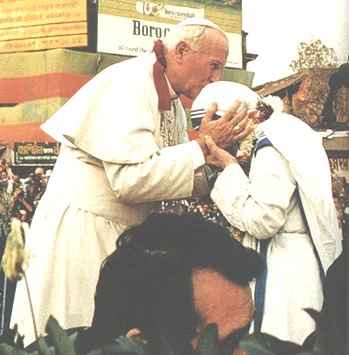 first step to sainthood.
 pace as before if customer deposits and capital inflow shrinks, the secretary general of the Association of Banks in Lebanon (ABL) warned Thursday. “Commercial banks have been financing the public debt for a long time. However, this trend may change if the banking sector does not achieve real growth in deposits and assets” said Makram Sader.
 was “whipping up sectarian sentiments” following his criticism of Lebanon’s electoral law and launched a fresh attack on the legal framework for the upcoming elections.



