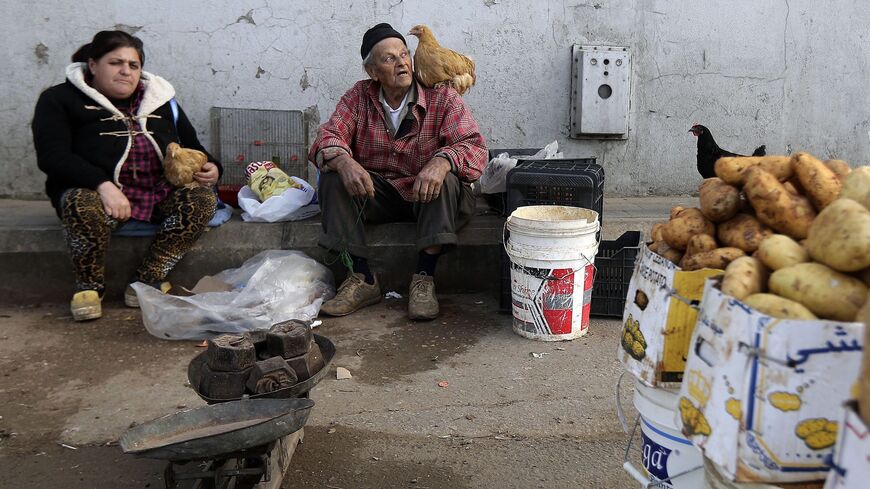
by al-monitor.com — Andrea Lopez-Tomas — BEIRUT, Lebanon — Habeeb and Elham Copti used to have a good life. The Lebanese couple remembers the old days when they could eat meat, afford medications and have the lights on — even send presents to their grandchildren. But those times are over. When Habeeb retired, their income stopped and now, both in their 80s, they are facing poverty and uncertainty in Lebanon’s economic crisis. “There is no pension from the government when you are old like in most countries. No one is helping us so how are we supposed to pay our bills?” asked Habeeb with tears in his eyes. Lebanon is one of the 16 countries in the world that don’t offer social security, according to the International Labor Organization (ILO). The Lebanese Republic is home to the highest number of elders in the region: 11% of its population is over the age of 65. The UN Economic and Social Commission for Western Asia expects that figure to increase to 23.3% by 2050.
Georgette Abou Suleiman worked all her life as a seamstress. “I had lots of orders. I was good at the job,” said the 74-year-old lady from the darkness of her house in Beirut. But 15 years ago, she was diagnosed with Parkinson’s disease and she had to quit. I only survive because people help me,” she added. At 20 years old, Marina el Khawand runs the aid group Medonations, which imports medication and provides it to those in need. “Every time Georgette goes to the pharmacy is a struggle because she is not able to find her medicines,” she told Al-Monitor. Since 2019 Lebanon has been facing one of the world’s worst economic crises. The Lebanese pound has lost 90% of its value. There is a lack of electricity, water, food and medicine as it grows ever more difficult to import goods into the country.