by AFP — Lebanese activists on Friday rolled out mock banknotes featuring paintings of a gutted central bank or the Beirut port explosion to denounce high-level corruption that has helped to wreck the country. The dollars stuck in accounts that citizens can only withdraw in Lebanese pounds at a fraction of their original value are […]
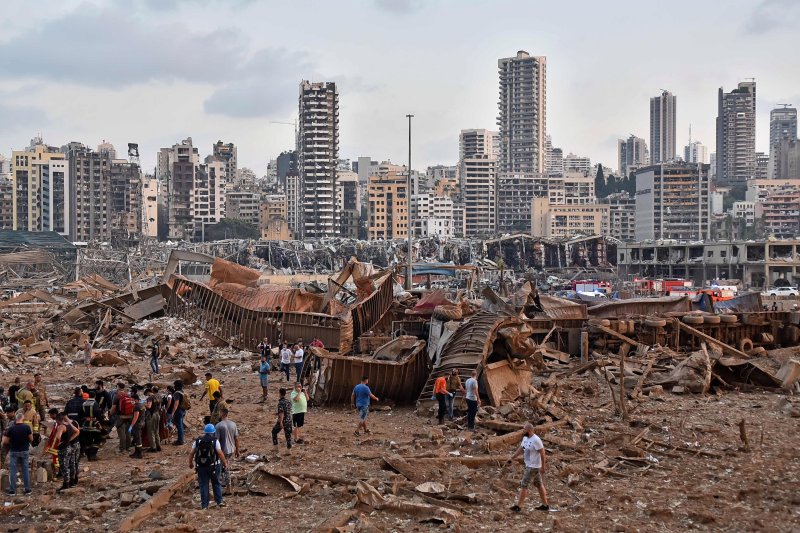
By Tamara Qiblawi, CNN — Beirut, Lebanon (CNN)The coastal highway that connects Lebanon’s northern-most tip to the country’s south is peppered with gaping potholes. The stench of landfill hangs in the air as emaciated men rummage through dumpsters, their faces smudged with dirt. Towering above the wreckage wrought by nearly three years of economic collapse are endless rows of election billboards. Some show relatively unfamiliar candidates fielded by new political groups. But most display the looming faces of politicians from decades-old sectarian parties. Nearly all of the campaign slogans promise “change.” The irony is not lost on anyone in a country where negligence by the political elite nearly destroyed the capital in the biggest non-nuclear explosion in history.
Lebanon’s soul has been eviscerated by its financial crisis. Not even the children want to play On Sunday, Lebanese citizens will vote for a new parliament for the first time since an October 2019 uprising demanded the fall of a century-old political order. The path to political change has been rife with challenges, and whether this year’s election will deliver a new political makeup is far from certain. But this is a moment of reckoning for Lebanon’s political elite. The establishment they represent is a microcosm of the region’s decades-old fault lines, pitting groups backed by the archrivals Iran and Saudi Arabia against each other. Change in Beirut’s political order could mark a first step in extricating the country from its hodgepodge of proxy conflicts, and produce a ripple effect in a region where protest movements have so far failed to effect political change.
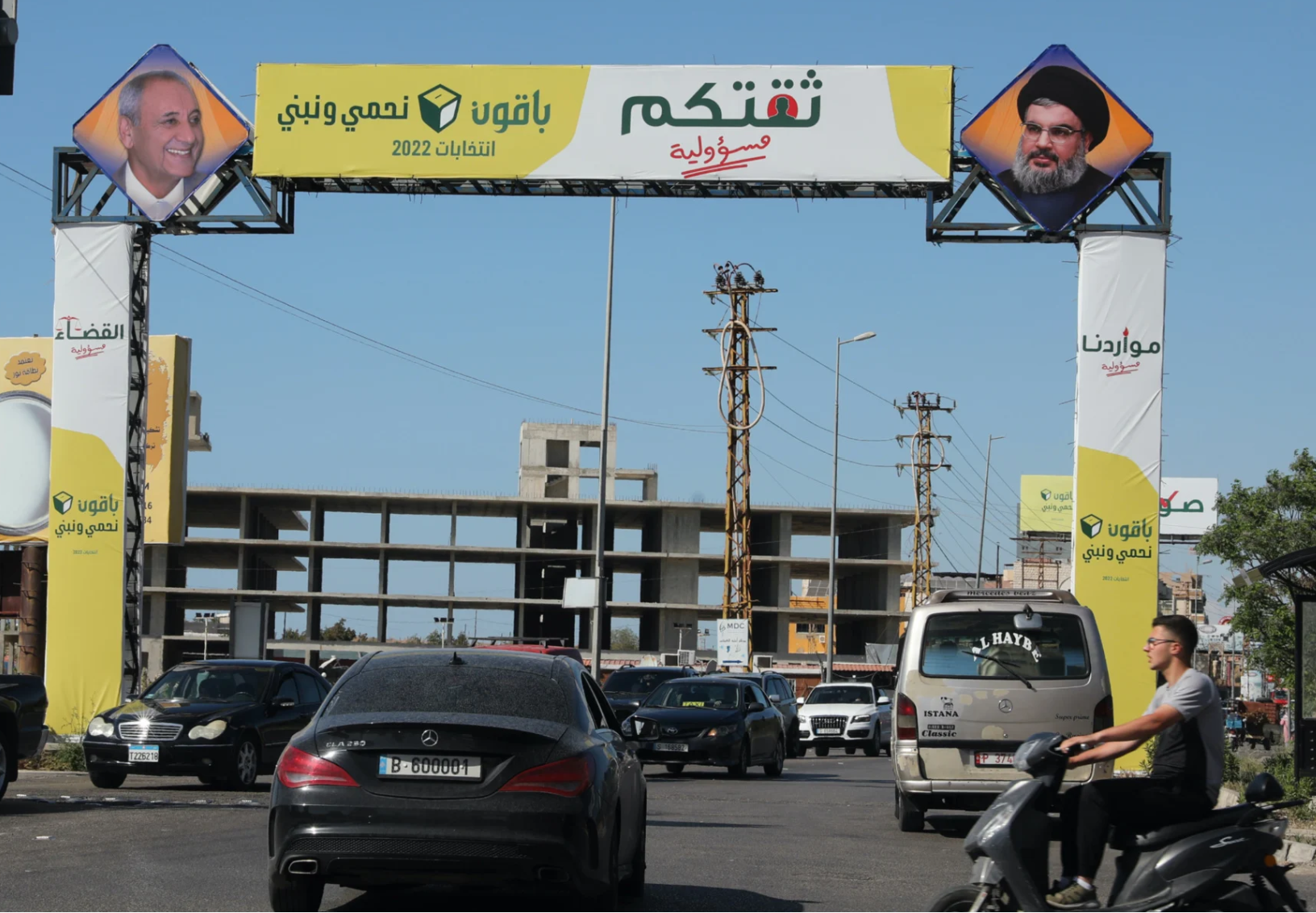
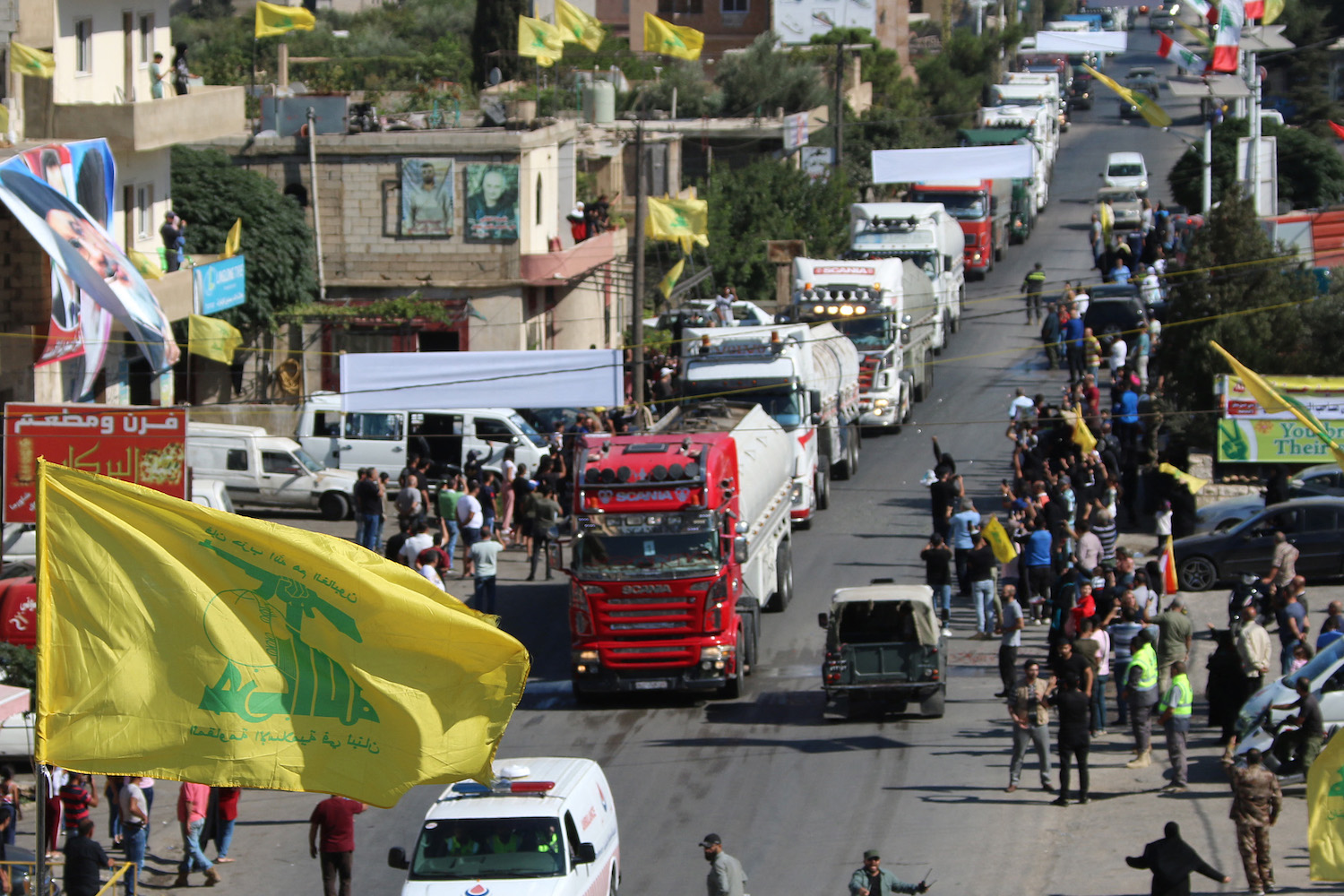
By Heba Nasser in Sour, Lebanon — middleeasteye.net — The electoral aesthetic across south Lebanon is a glaring display of the deep-rooted dominance of Hezbollah and the Amal Movement. All along highways and side roads, the serene faces of Shia leaders and their candidates look on from posters as people drive deeper southward. “Your trust is our responsibility,” proclaims one slogan perched high at the entrance of Abbasiyeh, a town a handful of kilometres away from Lebanon’s southern coast. There’s no question that the Shia heavyweight parties are predicted to win the majority of votes in south Lebanon on Sunday. But a lot has changed in the four years since Lebanon’s last elections: a popular uprising and catastrophic economic collapse, to name a few. That upheaval has led to rumblings of dissatisfaction across Hezbollah and Amal’s stronghold, and the parties themselves have taken notice.
Despite their assured electoral hold, for weeks now the parties have been contacting southern constituents – even those most loyal to them – to ensure that they will be voting on Sunday, in a push never seen previously. But like all parties that make up the oligarchy that has run Lebanon into the ground, they are increasingly associated with the country’s breakdown, and many in the south have started expressing disenchantment with the factions they have traditionally supported and repeatedly voted for. How that dissatisfaction is expressed is another matter. Lebanese voters have a habit of calling for change only to vote for their traditional parties when at the polling booth. Yet many southerners told Middle East Eye that faced with today’s corruption, stasis, and economic meltdown, they plan to boycott or cast blank ballots.
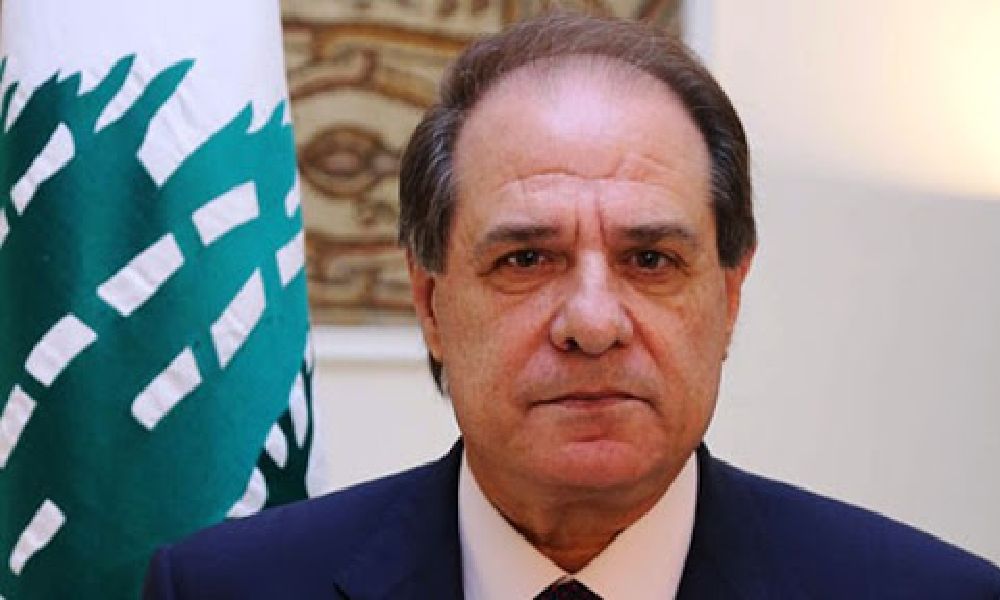
سجعان قزي
@AzziSejean
أخيرًا بَقّهَا السيد حسن نصرالله: “الجنوبُ والبقاعُ والشمالُ وعكّار أطرافٌ تَـمَّ إلحاقُها بلبنانَ الكبير عامَ 1920” (09 أيار 2022). لكنَّ سماحتَه تناسى أمرين: الأوّل أنَّ هذه المناطقَ استُعيدَت ولم يَتِم السطوُ عليها وإلحاقُها بالقوّة بلبنان. والثاني، وهو سابقٌ ومُتمِّمٌ للأوّل: أنَّ المجلسَ التمثيليَّ اللبنانيَّ، المتعدِّدَ الطوائفِ المسيحيّةِ والإسلاميّةِ، اتّخذَ في أيّار 1919 قرارًا طالبَ به مؤتمرَ الصُلحِ المنعَقِدَ في باريس “الاعترافَ باستقلالِ لبنان في حدودِه الطبيعيّة”.
إنَّ التشكيكَ بوِحدةِ الأمّةِ اللبنانيّة يُوحي بأنَّ الكِيانَ اللبنانيَّ مصطنَعٌ ومركَّبٌ وفاقدُ الشرعيّةِ التاريخيّة ومُحلَّلٌ تفكيكُه. نَفهم الآنَ أكثرَ لماذا يَرفضُ حزبُ الله وسوريا ترسيمَ الحدودِ اللبنانيّةِ/السوريّةِ وضبطَها. إذا كان الأمرُ كذلك، لِــمَ ولِمَن استُشِهدَ أطيبُ شبابِ الجنوبِ والبقاع؟ وما قيمةُ مقاومتِك، يا سيد حسن، لتحريرِ الجَنوب والبقاع الغربي؟ وما لكَ ولنا بعدُ بمزارعَ شِبعا وتِلالِ كفرشوبا؟ وما لكَ ولنا بمربّعاتِ النفطِ والغاز في بحرِ الجَنوب؟ أَرْجِعْ هذه المناطق إلى سوريا لتَتمتّع بربوعِ الشام ونسيمِ البِردَوْني، ودَعْ سوريا تُقاوم في سبيلِها مثلما قاومَت لاسترجاعِ الجولان.
وطنية – دان “لقاء الجمهورية” في بيان، “جريمة اغتيال المراسلة الإعلامية في قناة الجزيرة الشهيدة شيرين أبو عاقلة عن سابق تصور وتصميم أثناء قيامها بواجبها المهني وتغطيتها الاقتحام الاسرائيلي لمخيم جنين”. واعتبر ان “إسرائيل مسؤولة عن هذه الجريمة بما لا يقبل الجدل، وهذا اعتداء إسرائيلي على الجسم الاعلامي ككل، يجب ألّا يمر من دون تدخل […]
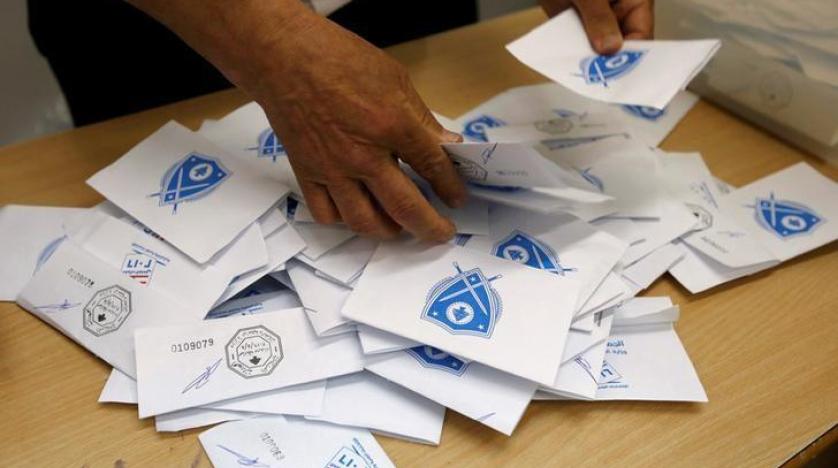
By Najia Houssari — arabnews.com — BEIRUT: With Lebanon’s crucial parliamentary elections on Sunday expected to go down to the wire, candidates and party supporters have been accused of trying to buy their way to victory by offering cash bribes to undecided voters. A Shiite voter in Beirut’s second constituency told Arab News that he had been offered $300 if he and his family agreed to vote for a particular businessman. The man, who asked to be identified only as Mohammed, said: “Supporters campaigning for their parties call me every day to ask who I will be voting for. I have no idea how they got my number. Some offer ration cards, others money, to either vote for them, or even boycott the elections or cast a blank ballot.” Mohammed, who has no links with the Amal Movement or Hezbollah, said he is unlikely to vote. “All the parties in power had the opportunity to fulfill their promises, but they have left their people mired in their misery. We will not re-elect them.”
Electoral bribery has long been a problem in Lebanon, despite laws banning the practice, but has become more widespread and visible with the collapse of the national currency and decline in living conditions. Now, if rumors from the money exchange black market are to be believed, the exchange rate will drop ahead of the elections as parties attempt to buy votes using US currency. One money changer, who declined to be named, told Arab News: “Electoral spending is expected to rise during the next few days as parties attempt to buy the largest number of votes, through direct bribes.” People in Beirut have reported that money changers have been stopping passers-by in the street to ask if they want to exchange their dollars.
By Doreen AbiRaad — ncregister.com — BEIRUT — Amid the catastrophic socioeconomic collapse of their country, Lebanese are gearing up for legislative elections May 15. Lebanon has been going through an unprecedented economic crisis, labeled a “deliberate depression” by the World Bank and one of the worst in the history of the world since 1850. Parliamentary elections take place every four years in Lebanon for the 128-seat Legislature, which is equally divided between Christians and Muslims. Around 40% of Lebanon’s population is Christian. This year’s vote consists of a total of 103 electoral lists — divided among 15 districts — with 1,044 parliamentary candidates vying for the 128 seats, 20% more than in the last election in 2018. Of the 103 registered lists, around 30 are those of candidates resulting from a protest movement, a sign that such hopefuls have failed to form a united front.
Some of the participants of the protest movement begun in October 2019 decided to run for this year’s parliamentary elections, mostly as independents, opposing the political status quo. Observers told the Register this is a pivotal election for the future of the country — and its Christians. “A great deal is at stake for Lebanon’s Christians in these parliamentary elections — nothing less than the very existence of a free, open and prosperous Lebanon, harboring a secure and contented Christian community,” Habib Malik, retired associate professor of history at the Lebanese American University, said. Pointing to the “colossal historic catastrophe” the country is witnessing, Malik noted that “the gradual and systematic erosion of their finances, their jobs, their numbers, their livelihoods and their future prospects only begins to outline the contours of this unprecedented calamity for Lebanon’s Christians.” “Christians do need to go out on election day and cast their votes for any candidates opposed to the vampirical mafiocracy that defrauded the people and that continues to suck their blood,” Malik stressed.
Mismanagement and Corruption Blamed
by naharnet.com — Maronite Patriarch Beshara al-Rahi on Sunday lauded “the role of the government, the concerned ministers and the employees of embassies and diplomatic missions for the proper management” of expat parliamentary polls, which got underway in the morning in dozens of countries. “We have seen the Lebanese women and men heading to polling […]
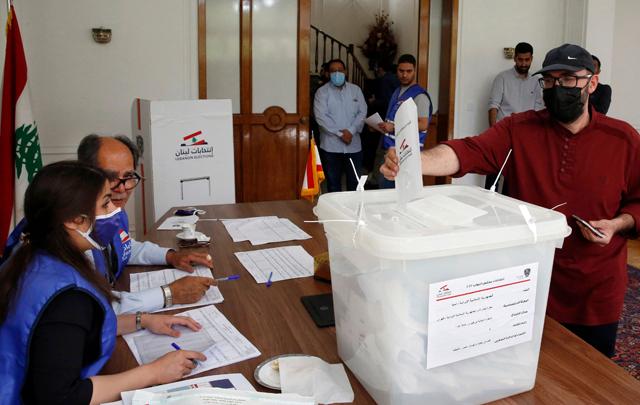
BEIRUT, (Reuters) – More than 100,000 Lebanese living abroad cast ballots for parliamentary electionson Friday and Sunday, many backing political newcomers after the worst crisis since Lebanon’s 1975-90 civil war led to widespread poverty and a wave of emigration. Some225,000 Lebanese living overseas were eligible to participate in the elections in more than 50 countries, the first since Lebanon’s 2019 financial collapse and the port blast that killed more than 215 people and destroyed large parts of Beirut in August, 2020. Overall turnout in overseas voting was around 60%, foreign ministry official Hadi Hachem told Reuters, or some 130,000 people. That is roughly three times as many as during the last polls, in 2018.
Observers expect large numbers of expatriates to vote for candidates from a coalition of activists and independents who gained prominence during 2019 protests against the sectarian political elites whose corruption and mismanagement is widely blamed for the country’s catastrophic collapse. “I want change,” said Samer Sobbi, a truck driver voting in Sydney on Sunday. “I don’t want the same people, the same people every four years, and if not the same people then their kids, if not their kids, their relatives. What about us?” Australia is among those countries with the highest number of Diaspora voters, alongside Canada, the United States, Germany, the United Arab Emirates. France has the most at around 28,000 eligible voters.
Turnout in Australia closed at 55%, while in the UAE more than 70% of eligible voters cast their ballots, one of the highest turnouts registered. The queue outside the Lebanese consulate in Dubai stretched for roughly a kilometre despite sweltering heat, and local police were seen fanning voters with pieces of cardboard. “I came today just to vote and don’t care how long we wait in the heat. We need change,” said first-time voter Christiane Daou, 37.
By AFP — Beirut — Lebanese expatriates on Friday voted in parliamentary polls, kickstarting a critical election that comes amid an unprecedented financial crisis that has spurred a mass population exodus. While opposition figures have pinned their hopes on the diaspora, experts said the elections were expected to uphold the status quo, despite years of economic meltdown. Expatriates in nine Arab countries and in Iran cast their votes on Friday, with Syria and Tehran seeing the highest turnout rates, according to Foreign Affairs Minister Abdallah Bou Habib.
Bou Habib said nearly 60 per cent of the 30,930 voters registered overseas had cast a ballot, a jump from 56 per cent in 2018. The foreign minister had expressed hope for 70 per cent participation earlier Friday but the final count announced after ballots closed was estimated at 18,225 votes. Expatriates in 48 other countries will vote on Sunday. On Saturday morning, two boxes carrying expat votes arrived at the Beirut airport from Tehran, escorted by Lebanon’s envoy to the Islamic Republic, the official National News Agency reported. All other ballots will be delivered to Lebanon by logistics giant DHL, with the exception of those from neighbouring Syria which will be handed over across the border, Bou Habib said.
‘Vote in large numbers’
It is the second time in Lebanon’s history that citizens residing abroad are able to vote for their 128 representatives, in elections set to be held at home on May 15. The vote is the first since mass protests erupted in late 2019 against the country’s entrenched ruling elite, widely blamed for the economic collapse. Bou Habib had said that Lebanese based abroad would be able to vote in more than 205 polling stations worldwide. The number of Lebanese who have registered to vote abroad has climbed from the roughly 92,000 in 2018 elections, though only 50,000 of them voted at the time. But voter registration, while on the rise, remains relatively low among the millions of Lebanese who live abroad, and their descendants.


Population Movements to Keserwan - The Khazens and The Maans
ما جاء عن الثورة في المقاطعة الكسروانية
ثورة أهالي كسروان على المشايخ الخوازنة وأسبابها
Origins of the "Prince of Maronite" Title
Growing diversity: the Khazin sheiks and the clergy in the first decades of the 18th century
Historical Members:
Barbar Beik El Khazen [English]
Patriach Toubia Kaiss El Khazen(Biography & Life Part1 Part2) (Arabic)
Patriach Youssef Dargham El Khazen (Cont'd)
Cheikh Bishara Jafal El Khazen
Patriarch Youssef Raji El Khazen
The Martyrs Cheikh Philippe & Cheikh Farid El Khazen
Cheikh Nawfal El Khazen (Consul De France)
Cheikh Hossun El Khazen (Consul De France)
Cheikh Abou-Nawfal El Khazen (Consul De France)
Cheikh Francis Abee Nader & his son Yousef
Cheikh Abou-Kanso El Khazen (Consul De France)
Cheikh Abou Nader El Khazen
Cheikh Chafic El Khazen
Cheikh Keserwan El Khazen
Cheikh Serhal El Khazen [English]
Cheikh Rafiq El Khazen [English]
Cheikh Hanna El Khazen
Cheikha Arzi El Khazen
Marie El Khazen