By YaLibnan Lebanon Speaker Nabih Berri slammed the Lebanese banks as “cheap” and ” stingy” over their donations the Lebanese army for …
By Naharnet The meeting of Saudi Charge d’affairs Walid al-Bukhari with caretaker Foreign Minister Jebran Bassil on Friday signaled an improvement in …
Joünié #khazen #LiveLoveLebanon

"Defying the odds, vocal populists have won the two major popular votes in the western world this year. The success of Boris Johnson and Donald Trump raises an obvious question: could it happen elsewhere in Europe?" That's the question put forth by Berenberg's chief economist Holger Schmieding and senior UK economist Kallum Pickering in a note to clients in the aftermath of the US presidential elections, which ended in a surprise Trump victory.
And they're not the only ones. HSBC's chief European economist, Simon Wells, expressed a similar idea in a note to clients on Wednesday, writing "there is a risk that the Trump victory could boost the popularity of anti-immigration and populist parties across Europe." Of course, the situations in the US and in Europe are not identical. But, there are some similarities in the sentiments of the electorates. "After all, the parallel to the anti-Washington rage in the US is a rejection of the European Union; the parallel to Trump’s anti-NAFTA rhetoric is the threat to reverse the process of European integration that, jointly with NATO, has been the cornerstone of peace and prosperity in Europe since the 1950s," wrote the Berenberg duo.
Taking it a step further, they argued that France is the next crucial vote to watch.

Marine Le Pen, France's National Front leader. REUTERS/Eric Gaillard
Though an Italian referendum on changes to the country's constitution is right around the corner, the "risk would probably be containable" if Prime Minister Matteo Renzi loses the referendum come December, according to Schmieding and Pickering. (Although, back in August, Nobel prize-winning economist Joseph Stiglitz told Business Insider the referendum could be the "cataclysmic event" similar to Brexit that could trigger the collapse of the eurozone.)

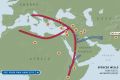

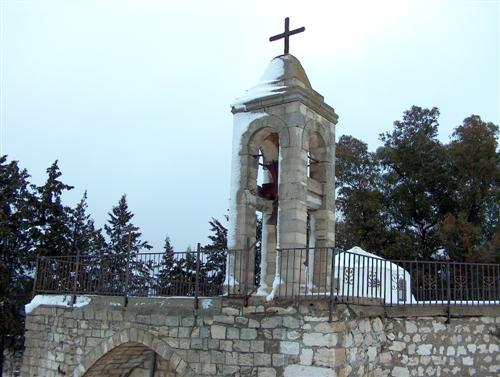
Population Movements to Keserwan - The Khazens and The Maans
ما جاء عن الثورة في المقاطعة الكسروانية
ثورة أهالي كسروان على المشايخ الخوازنة وأسبابها
Origins of the "Prince of Maronite" Title
Growing diversity: the Khazin sheiks and the clergy in the first decades of the 18th century
Historical Members:
Barbar Beik El Khazen [English]
Patriach Toubia Kaiss El Khazen(Biography & Life Part1 Part2) (Arabic)
Patriach Youssef Dargham El Khazen (Cont'd)
Cheikh Bishara Jafal El Khazen
Patriarch Youssef Raji El Khazen
The Martyrs Cheikh Philippe & Cheikh Farid El Khazen
Cheikh Nawfal El Khazen (Consul De France)
Cheikh Hossun El Khazen (Consul De France)
Cheikh Abou-Nawfal El Khazen (Consul De France)
Cheikh Francis Abee Nader & his son Yousef
Cheikh Abou-Kanso El Khazen (Consul De France)
Cheikh Abou Nader El Khazen
Cheikh Chafic El Khazen
Cheikh Keserwan El Khazen
Cheikh Serhal El Khazen [English]
Cheikh Rafiq El Khazen [English]
Cheikh Hanna El Khazen
Cheikha Arzi El Khazen
Marie El Khazen