worldbank.org
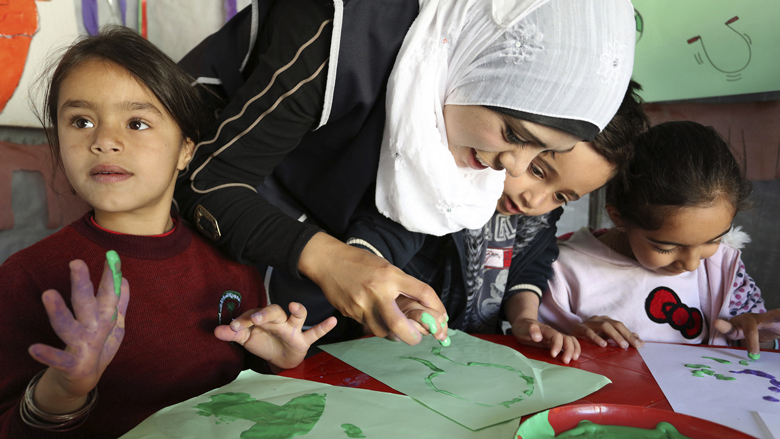
The Syrian crisis and refugee influx into Lebanon are putting an
unprecedented amount of social and economic pressure on Lebanon’s public
education system. Out of a population of 1.5 million Syrian refugees,
almost 500,000 are children of school age (3–18 years). The protracted
nature of the Syrian crisis and the immense demand for schooling have
strained the quality of public education, too.
In response, Lebanon’s Ministry of Education and Higher Education
(MEHE), launched the Reaching all Children with Education (RACE)
initiative in 2013 to improve access to formal education for Syrian
refugees and underprivileged Lebanese—both objectives that have the
strong support of the international community.
As a longstanding partner of the Government of Lebanon (GoL), the World
Bank has been expanding its support to the education sector. Prior to
the onset of the Syrian crisis, it supported the US$40 million Second Education Development Project. In 2015, the World Bank approved a US$32 million Emergency Education System Stabilization Project; and now the Bank will also approve the US$224 million Support to Reaching All Children with Education 2 program (S2R2).
This support includes an exceptional US$100 million of concessional financing from the International Development Association (IDA)
to address the education sector’s immediate needs and create the
foundations for longer-term recovery. IDA funds are normally only made
available to the world’s poorest countries.
By
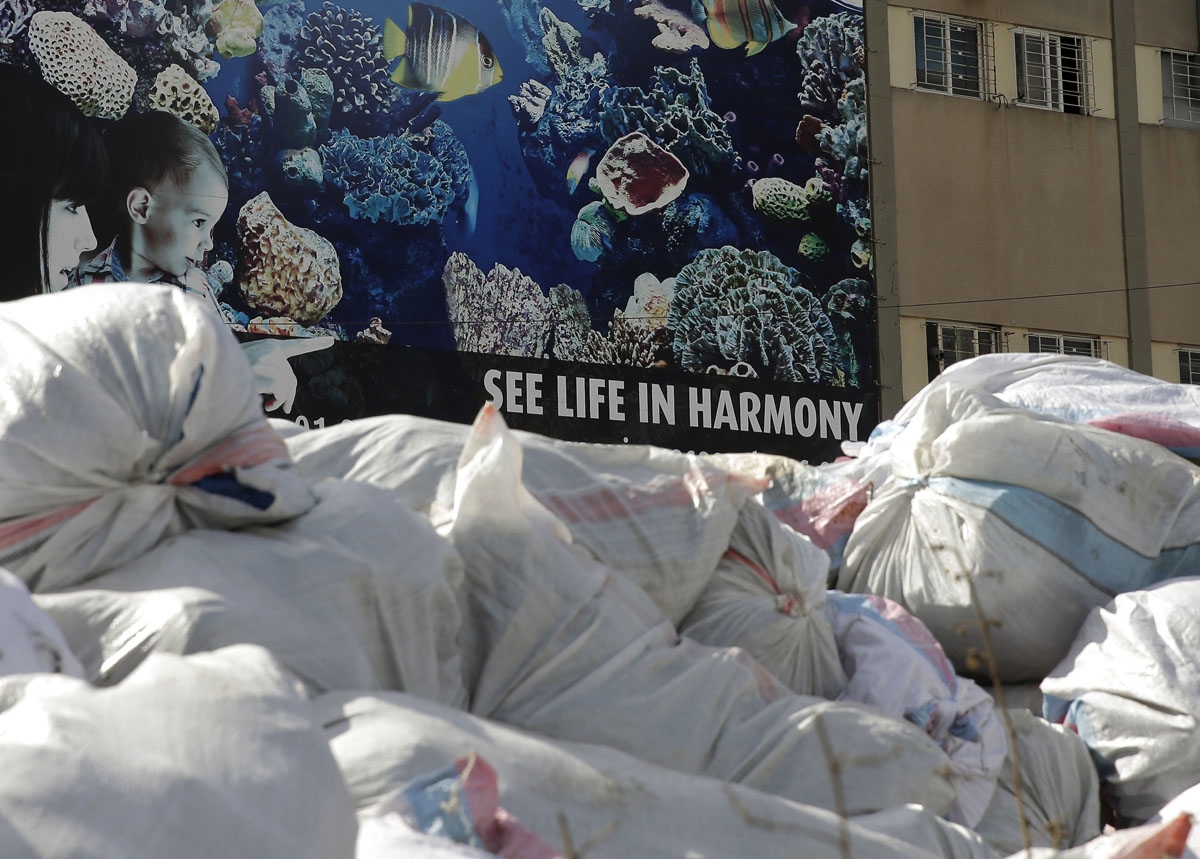
Beirut -- "Good morning! I'm an AFP photographer. Would it be alright to use your roof to take pictures of the garbage mountain in front of your building?"
"Welcome, welcome my dear, come in. Would you like some coffee? I can give you a full interview if you want. Will your pictures show how bad the smell is?"
Since Lebanon's trash crisis began last July, I have asked this question dozens -- perhaps hundreds -- of times. I am greeted with the same enthusiasm each time, with residents eagerly ushering me onto their rooftops or near their windows to snap pictures of the piles of rubbish lining Lebanon's roads.
After several rounds of government deals on the issue, we thought the waste crisis had been brought under control. But over the past month, piles of garbage have once again invaded our streets and neighbourhoods, from Lebanon's rocky mountains to the capital's busy streets.
by Daily star lebanon BEIRUT: National Liberal Party head Dory Chamoun Wednesday called for presidential candidate Michel Aoun to release his medical …
By reuters -
From a sandbagged
army post near the border with Syria, Lebanese soldiers gaze through
tripod-mounted binoculars into hills where jihadist militants are
entrenched, a forgotten front in Syria's civil war that has led to
bombings inside Lebanon. There
is frequent fighting between the army and around 1,000-1,200 militants
dug into the hills around Arsal in a large pocket of territory
straddling the border, Lebanese General Youssef al-Dik said. Around 30
soldiers have been killed. The
Sunni militants are members of Islamic State and the former Nusra
Front, groups fighting Syria's President Bashar al-Assad. They regard
the mountains along the Lebanese border as a strategic base and also
consider Lebanon to be under the thumb of Assad's ally, Shi'ite
Hezbollah. "The
clashes are ongoing day and night. We target any gathering, activity or
anything we sense day or night with all kinds of weapons," he told
Reuters during a visit last week.




Population Movements to Keserwan - The Khazens and The Maans
ما جاء عن الثورة في المقاطعة الكسروانية
ثورة أهالي كسروان على المشايخ الخوازنة وأسبابها
Origins of the "Prince of Maronite" Title
Growing diversity: the Khazin sheiks and the clergy in the first decades of the 18th century
Historical Members:
Barbar Beik El Khazen [English]
Patriach Toubia Kaiss El Khazen(Biography & Life Part1 Part2) (Arabic)
Patriach Youssef Dargham El Khazen (Cont'd)
Cheikh Bishara Jafal El Khazen
Patriarch Youssef Raji El Khazen
The Martyrs Cheikh Philippe & Cheikh Farid El Khazen
Cheikh Nawfal El Khazen (Consul De France)
Cheikh Hossun El Khazen (Consul De France)
Cheikh Abou-Nawfal El Khazen (Consul De France)
Cheikh Francis Abee Nader & his son Yousef
Cheikh Abou-Kanso El Khazen (Consul De France)
Cheikh Abou Nader El Khazen
Cheikh Chafic El Khazen
Cheikh Keserwan El Khazen
Cheikh Serhal El Khazen [English]
Cheikh Rafiq El Khazen [English]
Cheikh Hanna El Khazen
Cheikha Arzi El Khazen
Marie El Khazen