Elaisha Stokes, VICE News
Syria's civil war has left 250,000 people dead, according to the latest UN count, and millions more are either displaced within the country's borders or have sought refuge abroad.
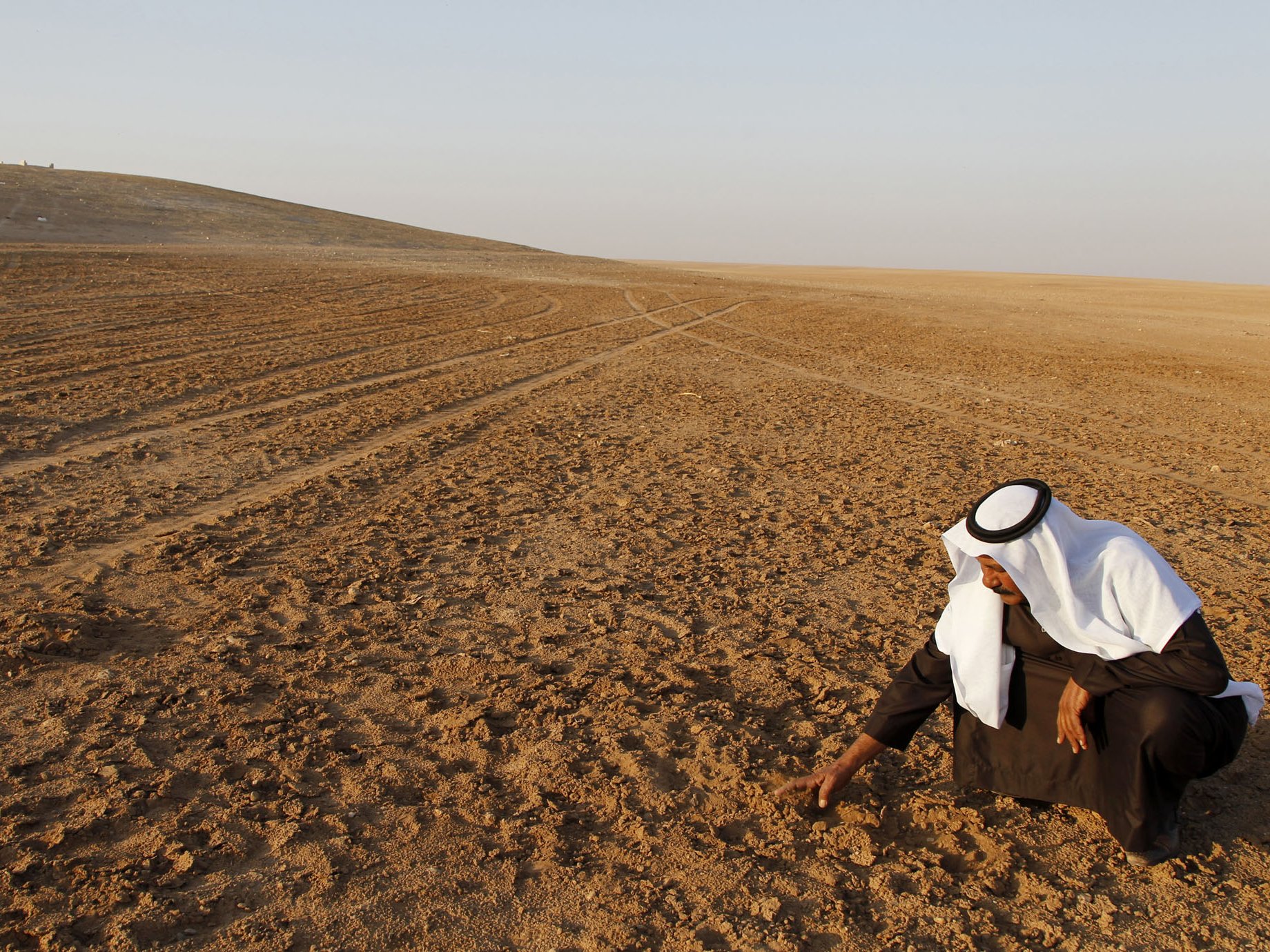
And, while the proximate causes were largely political — primarily grievances with President Bashar al Assad, new scientific research adds support to the argument that climate change helped to trigger Syria's descent into violence.
Researchers from NASA and the University of Arizona studied tree rings — a reliable proxy for measuring precipitation — going back several centuries and found that the recent Syrian drought was likely the worst in at least the past 900 years and almost definitely the worst in 500 years.
theguardian.com
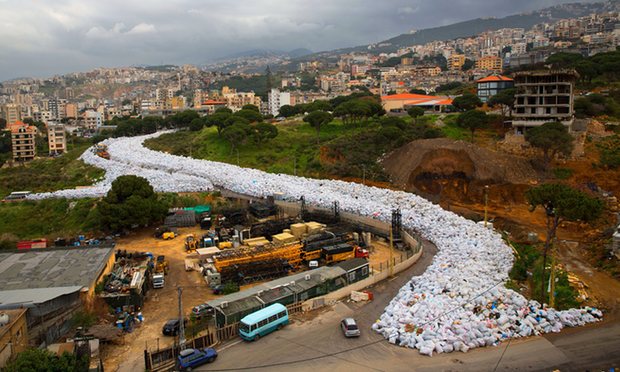
Lebanon’s rubbish collection crisis, which caused thousands to protest on the streets last summer, is now in its eighth month with no resolution in sight. Though it has prompted political debates and occasional heated discussions, Lebanese medical professionals are increasingly alarmed by its effect on health.
At the emergency room at the Sacré-Coeur hospital outside Beirut, doctors say they are seeing a spike in severe respiratory diseases and believe it is tied to the ongoing trash disaster.
The crisis erupted last July after authorities closed the primary landfill for Beirut and the surrounding coastal governorate without providing an alternative.
Thousands took to the streets in demonstrations directed at the political class, which has walled itself off from popular opinion and failed to provide other basic services such as water, electricity and drainage.
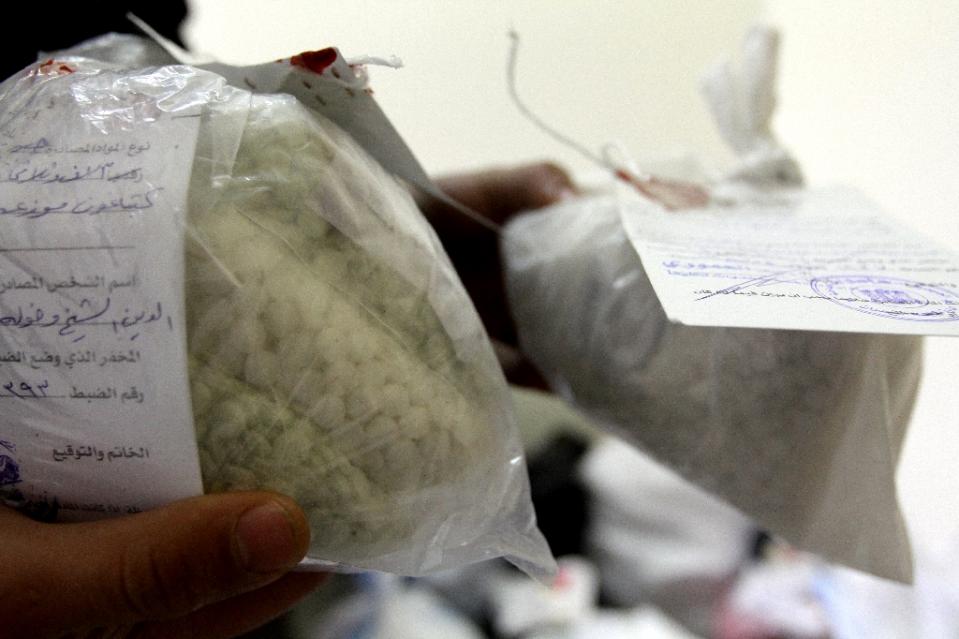
Beirut (AFP) - A string of major drug busts in Syria and Lebanon has drawn new attention to the trade in captagon, an illegal substance that has flourished in the chaos of Syria's war.
Security forces in both countries have clamped down in recent months on exports of the psychostimulant, produced in swathes of Syrian and Lebanese territory where government oversight is lax or non-existent.
"When the Syrian crisis started, Lebanon and Syria were transformed into a gateway to smuggle captagon," a Lebanese security source told AFP on condition of anonymity.
"The substance wasn't invented in the past five years -- but that's when smuggling operations flourished, so Lebanon became an exporting country," he said.
france24.com
Every summer, thousands of Gulf Arab tourists -- some with maids and staff in tow -- descend on Lebanon, triggering quintessentially Lebanese jibes about the annual wave of moneyed “khalijis,” or Gulf natives, arriving on their shores mixed with an acknowledgment of the much-needed tourist revenues they generate.
Barring an outbreak of war, khalijis can be unfailingly spotted in the holiday season in Lebanese hotels, restaurants, and the infamous seaside resort of Maameltein -- famed for its sleazy “super nightclubs” – where Gulf tourists let their hair down and do their bit for the tiny Mediterranean nation’s coffers.

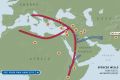
Population Movements to Keserwan - The Khazens and The Maans
ما جاء عن الثورة في المقاطعة الكسروانية
ثورة أهالي كسروان على المشايخ الخوازنة وأسبابها
Origins of the "Prince of Maronite" Title
Growing diversity: the Khazin sheiks and the clergy in the first decades of the 18th century
Historical Members:
Barbar Beik El Khazen [English]
Patriach Toubia Kaiss El Khazen(Biography & Life Part1 Part2) (Arabic)
Patriach Youssef Dargham El Khazen (Cont'd)
Cheikh Bishara Jafal El Khazen
Patriarch Youssef Raji El Khazen
The Martyrs Cheikh Philippe & Cheikh Farid El Khazen
Cheikh Nawfal El Khazen (Consul De France)
Cheikh Hossun El Khazen (Consul De France)
Cheikh Abou-Nawfal El Khazen (Consul De France)
Cheikh Francis Abee Nader & his son Yousef
Cheikh Abou-Kanso El Khazen (Consul De France)
Cheikh Abou Nader El Khazen
Cheikh Chafic El Khazen
Cheikh Keserwan El Khazen
Cheikh Serhal El Khazen [English]
Cheikh Rafiq El Khazen [English]
Cheikh Hanna El Khazen
Cheikha Arzi El Khazen
Marie El Khazen