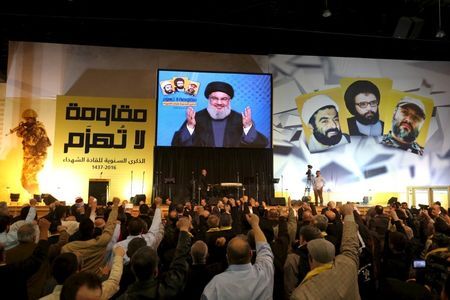
DUBAI (Reuters) - The six-member Gulf Cooperation Council (GCC) named Hezbollah a terrorist organisation on Wednesday, opening up the possibility of further sanctions against the Iran-allied group that wields influence in Lebanon and fights in Syria.
The Sunni Muslim dominated council - representing Saudi Arabia, the UAE, Bahrain, Kuwait, Oman and Qatar - already imposed sanctions on the Shi'ite Muslim group in 2013 after it entered Syria's war in support of President Bashar al-Assad.
In Wednesday's announcement, GCC Secretary-General Abdullatif al-Zayani said the council would now "take the necessary measures to implement its decision ... based on anti-terrorism laws applied in the GCC and similar international laws".

alaraby.co.uk
While the film itself was not banned outright by Lebanon's government censors, many suspect it is a case of self-censorship on the part of the distributors due to the "sensitive" topic of the film.
According to MARCH, a group that campaigns against censorship, film distributors in Lebanon told them it wouldn't be worth showing the movie because of the controversy it would cause, and because the topic of child abuse by Catholic priests would be too sensitive to make it past the censors.
“Technically, the distributors performed an act of self-censorship,” Farah Wahab, a project coordinator at the group, told The Global Post.
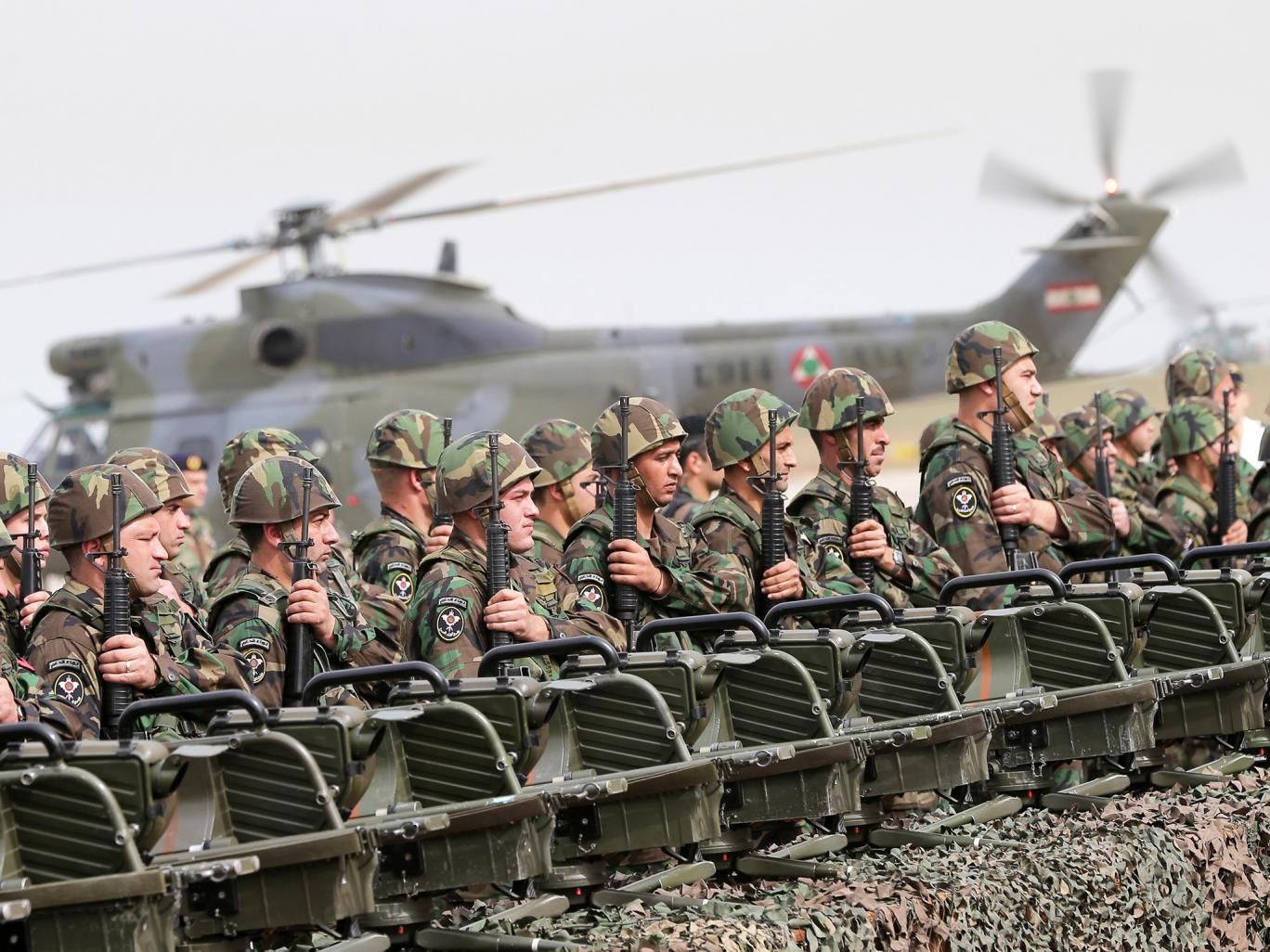
AS SAUDI ARABIA and Iran jostle for power in the Middle East, Lebanon has managed to maintain an uncomfortable balance between the two. Saudi Arabia has long been chummy with Lebanon’s Sunni politicians and some of its Christians. Iran supports Lebanese Shia, not least through Hizbullah, a militia-cum-political party. It has also snuggled up to some Lebanese Christian groups. Nonetheless, an uneasy calm prevailed between Lebanon and the two regional powers. Apparently no longer.
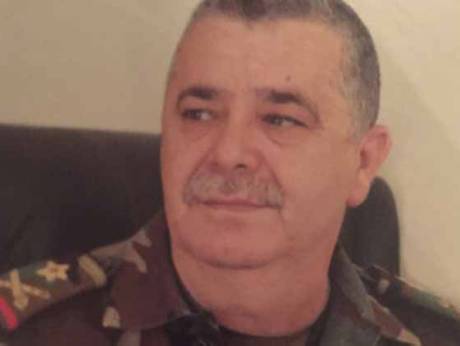
Beirut: On the heels of recent disputes over the appointment of three officers to the Military Council, the Lebanese Minister of Defence Samir Moqbel approved the appointment of Brigadier General Camille Daher as the new head of Military Intelligence, to succeed General Edmond Fadel, whose term of office was extended for six months in September 2015.
The surprise announcement was a victory for Army Commander General Jean Qahwaji, whose retirement was postponed for one year until September 30, 2016, and who wanted Daher in the intelligence post. According to the generally well-informed Al Nahar daily that reported the news without providing any personal details on the contender, the decision was a purely military one based on merit, which upset the country’s political establishment that was prevented from interfering.
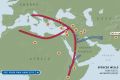
Population Movements to Keserwan - The Khazens and The Maans
ما جاء عن الثورة في المقاطعة الكسروانية
ثورة أهالي كسروان على المشايخ الخوازنة وأسبابها
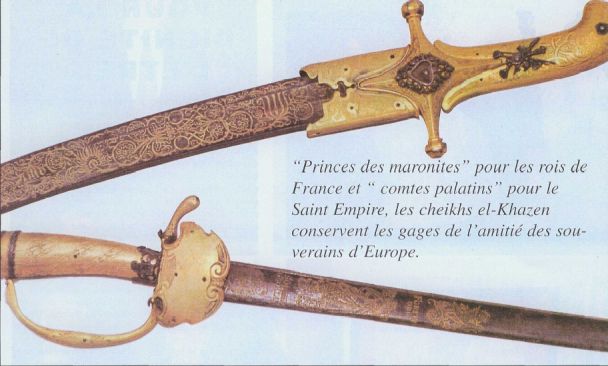
Origins of the "Prince of Maronite" Title
Growing diversity: the Khazin sheiks and the clergy in the first decades of the 18th century
Historical Members:
Barbar Beik El Khazen [English]
Patriach Toubia Kaiss El Khazen(Biography & Life Part1 Part2) (Arabic)
Patriach Youssef Dargham El Khazen (Cont'd)
Cheikh Bishara Jafal El Khazen
Patriarch Youssef Raji El Khazen
The Martyrs Cheikh Philippe & Cheikh Farid El Khazen
Cheikh Nawfal El Khazen (Consul De France)
Cheikh Hossun El Khazen (Consul De France)
Cheikh Abou-Nawfal El Khazen (Consul De France)
Cheikh Francis Abee Nader & his son Yousef
Cheikh Abou-Kanso El Khazen (Consul De France)
Cheikh Abou Nader El Khazen
Cheikh Chafic El Khazen
Cheikh Keserwan El Khazen
Cheikh Serhal El Khazen [English]
Cheikh Rafiq El Khazen [English]
Cheikh Hanna El Khazen
Cheikha Arzi El Khazen
Marie El Khazen