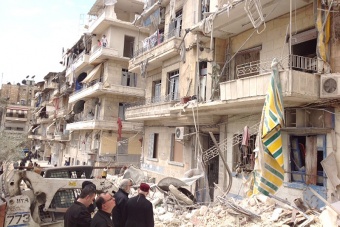
.- The U.S. must not ignore the Islamic State’s genocide of Christians. That is the position of a petition drive and television campaign seeking to persuade Secretary of State John Kerry.
“Christians in Iraq and Syria have suffered injustice after injustice by being kidnapped, killed, having their homes and churches confiscated or destroyed, and being forced to flee for their lives,” Carl Anderson, Supreme Knight of the Knights of Columbus, said Feb. 25. “Because of hit squads, they fear to enter U.N. refugee camps and, as a result, are then often excluded from immigration to the West.”
He said that these Christians “deserve to have the U.S. State Department call what has happened to them by its rightful name: genocide.”
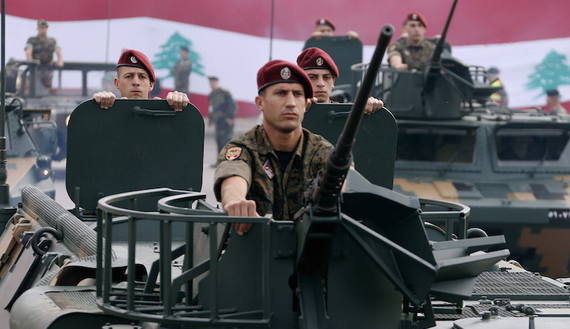
It was only a matter of time before the latent tensions brewing between Saudi Arabia and Lebanon boiled over, given the current rivalry between Riyadh and Tehran and the rising influence of the Shiite Hezbollah in Lebanon.
But it seems Saudi Arabia is truly acting in an erratic manner that, instead of bringing Lebanon back into its sphere of influence, is likely going to create more of a rift in an already-strained relationship.
Arab News
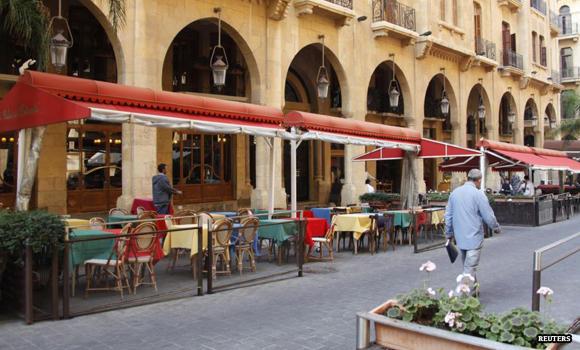
JEDDAH: It appears that the recession the Lebanese have experienced over the last two decades will resurface as Gulf states are warning their citizens not to travel to Lebanon.
Lebanese Tourism Minister Michel Pharaon admitted that the absence of Gulf and Saudi tourists will have a negative effect on Lebanese tourism. He said he hoped that the crisis in Saudi-Lebanese relations would pass quickly, and that Gulf and Saudi tourists would return to Lebanon next summer.
He praised Saudi Arabia’s stance toward Lebanon and its support for the Lebanese people over the past years and the deep relations between the two countries.
Joseph A. Kechichian, Senior Writer
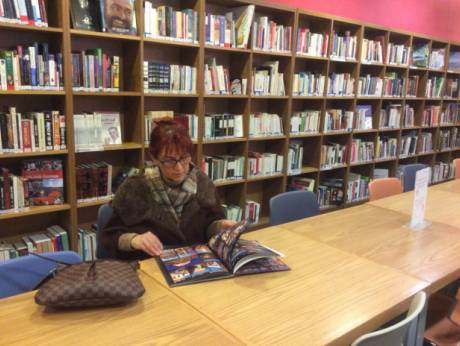
Beirut: Lebanon boasts the highest rate of reading among Arab states and ranks an impressive 37th globally. But, despite its 95 per cent literacy rate, many believe that the pursuit of knowledge remains an elitist privilege in the country as many Lebanese cannot afford to buy books.
This is why public libraries have always been and continue to be an important resource for Lebanese.
Before the civil war (1975-1990), Lebanon boasted dozens of public libraries even in remote villages, which would each summer draw an influx of residents eager to benefit from such facilities.
During the period of reconstruction that followed the war, the priority was a clean-up campaign given the scale of destruction and the country’s intellectual needs took a backseat.




Population Movements to Keserwan - The Khazens and The Maans
ما جاء عن الثورة في المقاطعة الكسروانية
ثورة أهالي كسروان على المشايخ الخوازنة وأسبابها
Origins of the "Prince of Maronite" Title
Growing diversity: the Khazin sheiks and the clergy in the first decades of the 18th century
Historical Members:
Barbar Beik El Khazen [English]
Patriach Toubia Kaiss El Khazen(Biography & Life Part1 Part2) (Arabic)
Patriach Youssef Dargham El Khazen (Cont'd)
Cheikh Bishara Jafal El Khazen
Patriarch Youssef Raji El Khazen
The Martyrs Cheikh Philippe & Cheikh Farid El Khazen
Cheikh Nawfal El Khazen (Consul De France)
Cheikh Hossun El Khazen (Consul De France)
Cheikh Abou-Nawfal El Khazen (Consul De France)
Cheikh Francis Abee Nader & his son Yousef
Cheikh Abou-Kanso El Khazen (Consul De France)
Cheikh Abou Nader El Khazen
Cheikh Chafic El Khazen
Cheikh Keserwan El Khazen
Cheikh Serhal El Khazen [English]
Cheikh Rafiq El Khazen [English]
Cheikh Hanna El Khazen
Cheikha Arzi El Khazen
Marie El Khazen