by Caline Malek
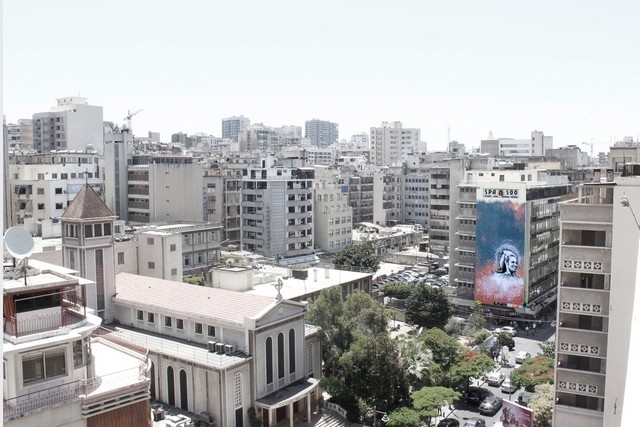
ABU DHABI // Emirati and Lebanese citizens in the UAE said they were saddened that conditions in the Levantine country had worsened to the point the UAE was compelled to impose a ban on travel to Lebanon. A previous travel warning was upgraded to a ban after the Ministry of Foreign Affairs and International Cooperation announced it had cut the number of its diplomatic staff in Beirut.
Nevertheless, there were no disruptions on Wednesday to Beirut-bound flights from the UAE, according to FlyDubai, Etihad Airways and Emirates airline. “The travel advisory has been issued regarding travel to Lebanon for UAE nationals only,” said a FlyDubai spokesman. Passengers with existing bookings and scheduled to travel soon were urged by the airline to contact it.
Sara Al Nuaimi, a 33-year-old Emirati from Sharjah, said the ban would be difficult for people with Lebanese family members.
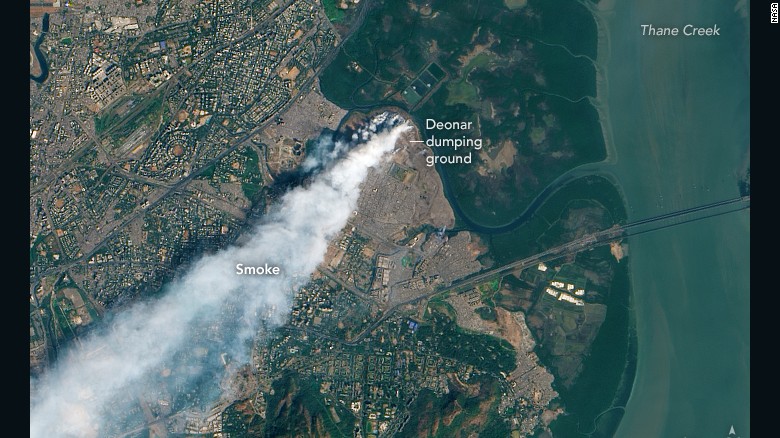
Beirut, Lebanon (CNN) A river of stinking garbage bags snakes its way through the suburbs of Beirut, a surreal and unhygienic blight on Lebanon's cosmopolitan capital.
This overflowing landfill, stretching for hundreds of meters through Jdeideh in the city's suburbs, is the consequence of the city's months-long garbage crisis -- both a symbol and a byproduct of the country's dysfunctional politics.
This used to be such a beautiful place, but look at it now. We can't even walk by it," Jawanah, a local resident who didn't want to give the rest of her name, told CNN.
Problems began when authorities shut the main landfill site for Beirut's garbage in July, but failed to provide an alternative site for dumping refuse.
The trash started to mount up, choking the city's streets and sparking violent protests that brought a deployment of the army.
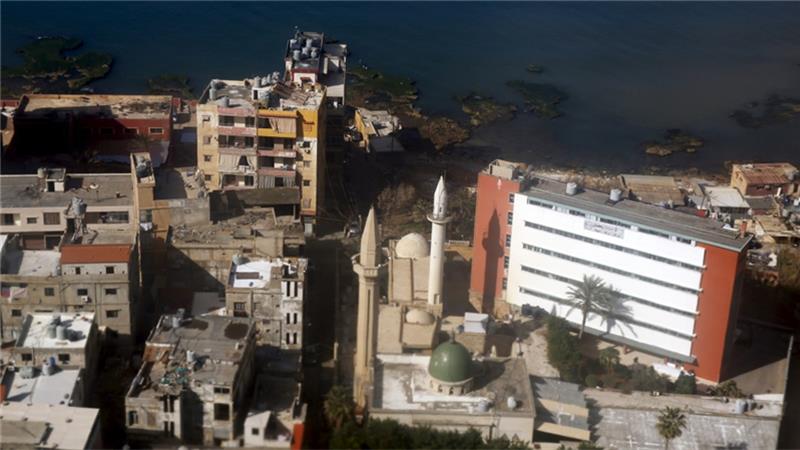
Lebanon is a diverse and industrious nation and that's a cause for celebration. But the Lebanese are a divided people, and that is a major cause for trepidation.
Since its 14-year civil war ended with a peace accord signed in Saudi Arabia in November 1989, Lebanon has tried hard to maintain its plurality while at the same time "managing" its sectarian divisions.
But many Lebanese insist that they could only do so much against the regional odds; that their nation is a victim of conflicts instigated or manufactured by foreign powers that projected their differences on to this open and all-too-fragile nation.
They grumble about foreigners waging proxy wars on Lebanese soil. And there is some truth to that. Just as much truth as in the fact that they have been the local foot soldiers abetting, enacting and executing these wars and conflicts.
So much so that at times it's not clear whether foreign powers exploited the Lebanese to advance their regional interests, or whether the Lebanese factions used foreign assistance to fight each other and expand their own narrow interests.
the national
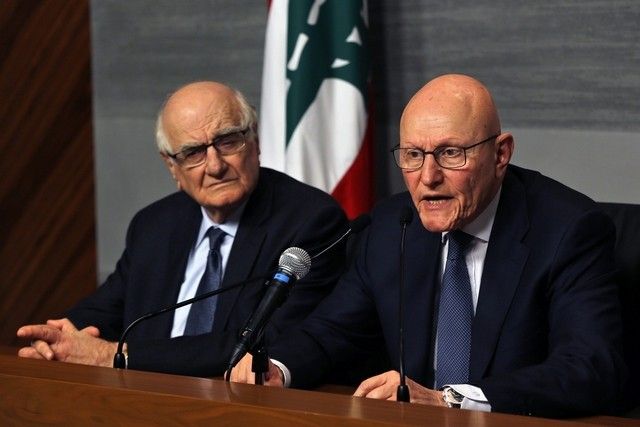
The ban on UAE citizens to travelling to Lebanon will hurt the country’s tourism sector, experts say.
The travel ban comes on the heels of Saudi Arabia stopping US$4 billion in military aid to Lebanon last week. The Saudi decision was backed by the UAE, Kuwait and Bahrain.
Security concerns and geopolitical tensions also plague Syria, Egypt and Turkey.
Travellers from the UAE and the Arabian Gulf are expected to prefer destinations in Europe and the Far East over popular destinations in Egypt, Lebanon and Turkey this year, according to Euromonitor International and travel agencies.



Population Movements to Keserwan - The Khazens and The Maans
ما جاء عن الثورة في المقاطعة الكسروانية
ثورة أهالي كسروان على المشايخ الخوازنة وأسبابها
Origins of the "Prince of Maronite" Title
Growing diversity: the Khazin sheiks and the clergy in the first decades of the 18th century
Historical Members:
Barbar Beik El Khazen [English]
Patriach Toubia Kaiss El Khazen(Biography & Life Part1 Part2) (Arabic)
Patriach Youssef Dargham El Khazen (Cont'd)
Cheikh Bishara Jafal El Khazen
Patriarch Youssef Raji El Khazen
The Martyrs Cheikh Philippe & Cheikh Farid El Khazen
Cheikh Nawfal El Khazen (Consul De France)
Cheikh Hossun El Khazen (Consul De France)
Cheikh Abou-Nawfal El Khazen (Consul De France)
Cheikh Francis Abee Nader & his son Yousef
Cheikh Abou-Kanso El Khazen (Consul De France)
Cheikh Abou Nader El Khazen
Cheikh Chafic El Khazen
Cheikh Keserwan El Khazen
Cheikh Serhal El Khazen [English]
Cheikh Rafiq El Khazen [English]
Cheikh Hanna El Khazen
Cheikha Arzi El Khazen
Marie El Khazen