Reuters
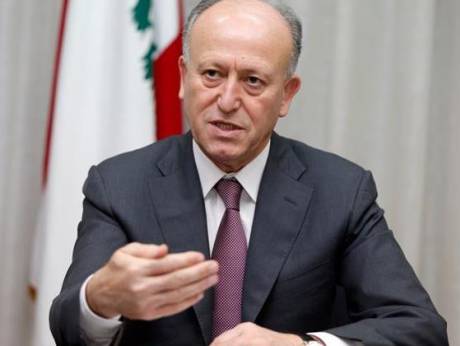
Beirut: Lebanese Justice Minister Ashraf Rifi resigned on Sunday, blaming political rivals Hezbollah for the country’s political deadlock and protesting over the release on bail of a former minister sentenced for smuggling explosives from Syria.
Lebanon’s political crisis has left it without a president for 21 months with rival factions unable to agree on a candidate, and has paralysed state institutions, preventing the government from taking even basic decisions.
The release on bail of ex-information minister Michel Samaha last month after serving eight months of a 4 1/2 year jail sentence for smuggling explosives from neighbouring Syria and planning attacks drew anger and condemnation from Syrian President Bashar Al Assad’s opponents in Lebanon.
by Armin Rosen
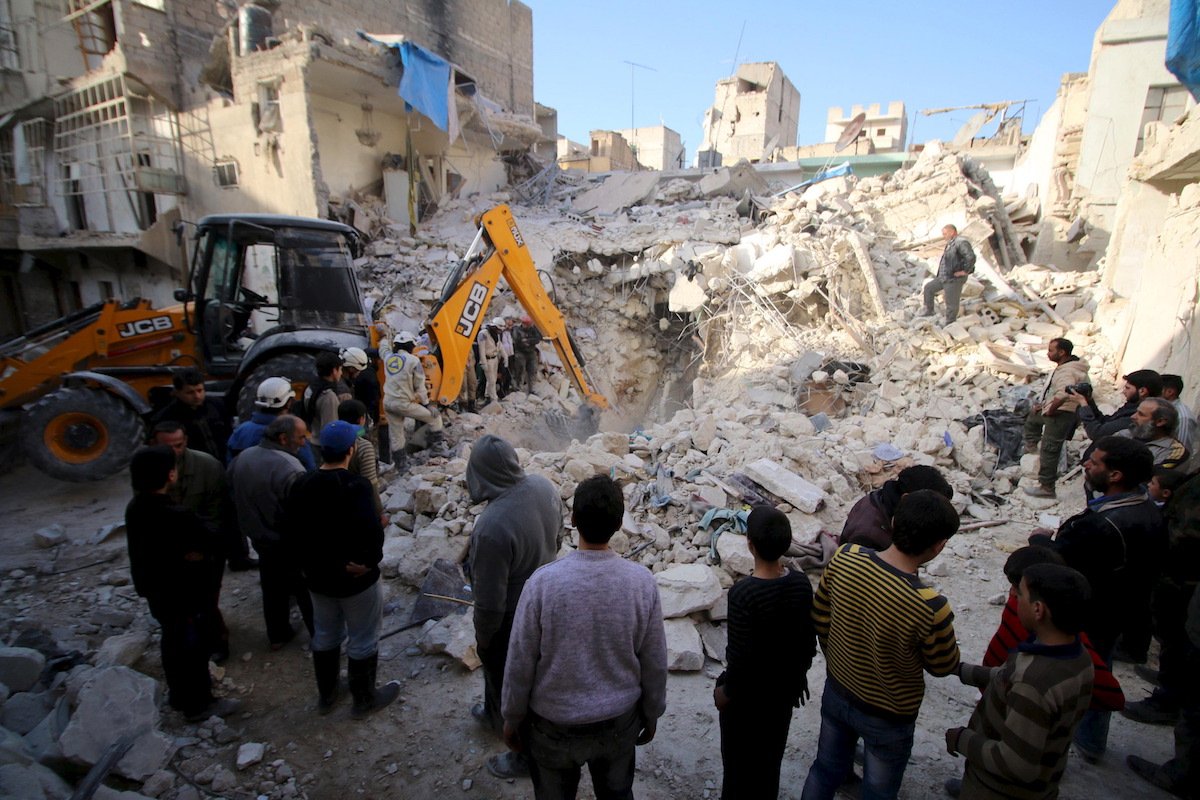
Friday was supposed to be an important deadline in Syria's Civil War.
On February 11, the International Syria Support Group (ISSG), a group of countries with interests in the outcome of the Syria conflict that includes the US, and Russia, announced that a "cessation of hostilities" would begin within one week.
But the deadline to end the violence has now passed, making the "cessation" plan seems even more like a half-hearted attempt at imposing a peaceful solution that none of the major combatants in Syria seem to actually want.
As it was, the cessation announcement was meant to salvage some kind of resolution from flailing peace negotiations — talks that Syrian opposition groups want to make conditional upon Russia halting its airstrikes.
By zeina karam, associated press
Lebanese politicians traded accusations Saturday over the decision by Saudi Arabia to halt deals worth $4 billion aimed at equipping and supporting Lebanese security forces, adding to tensions in the deeply divided country, which is struggling with the fallout from neighboring Syria's civil war.
The decision was announced by Saudi officials Friday in retaliation for Lebanon's siding with Iran amid the Sunni kingdom's spat with the Shiite power. The Gulf Cooperation Council backed the Saudi decision, raising concerns it could have repercussions for thousands of Lebanese living in Gulf countries.
The small Mediterranean country has a sectarian divide that reflects the wider regional split between Sunni and Shiite powerhouses Saudi Arabia and Iran, and has long been a battlefield where the region's proxy wars play out. The Saudi announcement immediately prompted sharp accusations among Lebanon's notoriously fractious party leaders.
Joseph A. Kechichian, Senior Writer
Beirut: “The state has failed in handling the garbage management file which had turned into a Mexican soap opera and a national and health disaster burdening the Lebanese,” Phalange Party leader Sami Gemayel declared after yet another national dialogue session that brought under the same roof political elites that loathed each other, visible for one and all to see on a more or less regular basis.
The 15th dialogue session, which included the Marada Movement leader Sulaiman Franjieh — who stepped out early to visit former Prime Minister Saad Hariri — but not Progressive Socialist Party’s Walid Jumblatt nor the Free Patriotic Movement’s Michel Aoun — was devoted to the garbage crisis that lingered since July 17, 2015 when the Naameh landfill was closed. Many Lebanese wondered where else would leaders hold “national dialogues” to discuss garbage.

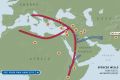
Population Movements to Keserwan - The Khazens and The Maans
ما جاء عن الثورة في المقاطعة الكسروانية
ثورة أهالي كسروان على المشايخ الخوازنة وأسبابها
Origins of the "Prince of Maronite" Title
Growing diversity: the Khazin sheiks and the clergy in the first decades of the 18th century
Historical Members:
Barbar Beik El Khazen [English]
Patriach Toubia Kaiss El Khazen(Biography & Life Part1 Part2) (Arabic)
Patriach Youssef Dargham El Khazen (Cont'd)
Cheikh Bishara Jafal El Khazen
Patriarch Youssef Raji El Khazen
The Martyrs Cheikh Philippe & Cheikh Farid El Khazen
Cheikh Nawfal El Khazen (Consul De France)
Cheikh Hossun El Khazen (Consul De France)
Cheikh Abou-Nawfal El Khazen (Consul De France)
Cheikh Francis Abee Nader & his son Yousef
Cheikh Abou-Kanso El Khazen (Consul De France)
Cheikh Abou Nader El Khazen
Cheikh Chafic El Khazen
Cheikh Keserwan El Khazen
Cheikh Serhal El Khazen [English]
Cheikh Rafiq El Khazen [English]
Cheikh Hanna El Khazen
Cheikha Arzi El Khazen
Marie El Khazen