by Joseph A. Kechichian
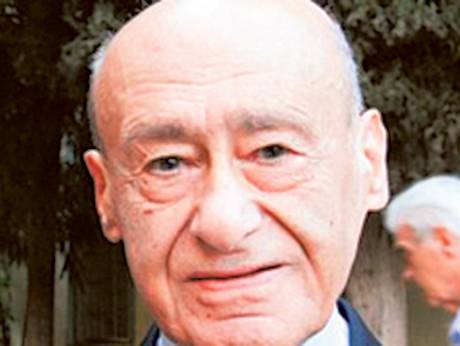
Beirut: Fouad Boutros, a leading civil servant who served Lebanon under presidents Fouad Shehab, Charles Helou and Elias Sarkis, and who filled the critical foreign policy portfolio at the height of the Civil War between 1976 and 1982, died at the age of 98.
Born on November 5, 1917, the highly respected attorney was one of Shehab’s proteges, which is why he was known as a ‘Shehabist’. As such, he worked tirelessly to forge a unique Lebanese identity in a country where sectarianism ruled.
Elected deputy in 1960 to one of the Greek Orthodox posts for Beirut, he served in parliament for a single four-year term. Boutros, the scion of a leading Beiruti family, was appointed deputy prime minister in 1966, and again in 1968 as well as 1976-1982, and held a variety of ministerial posts, most notably as Minister of Planning (1959-1960); Education (1959-1960); Tourism (1968); Defence (1966-1976, 1978); and Foreign Affairs (1968, 1976-1982).
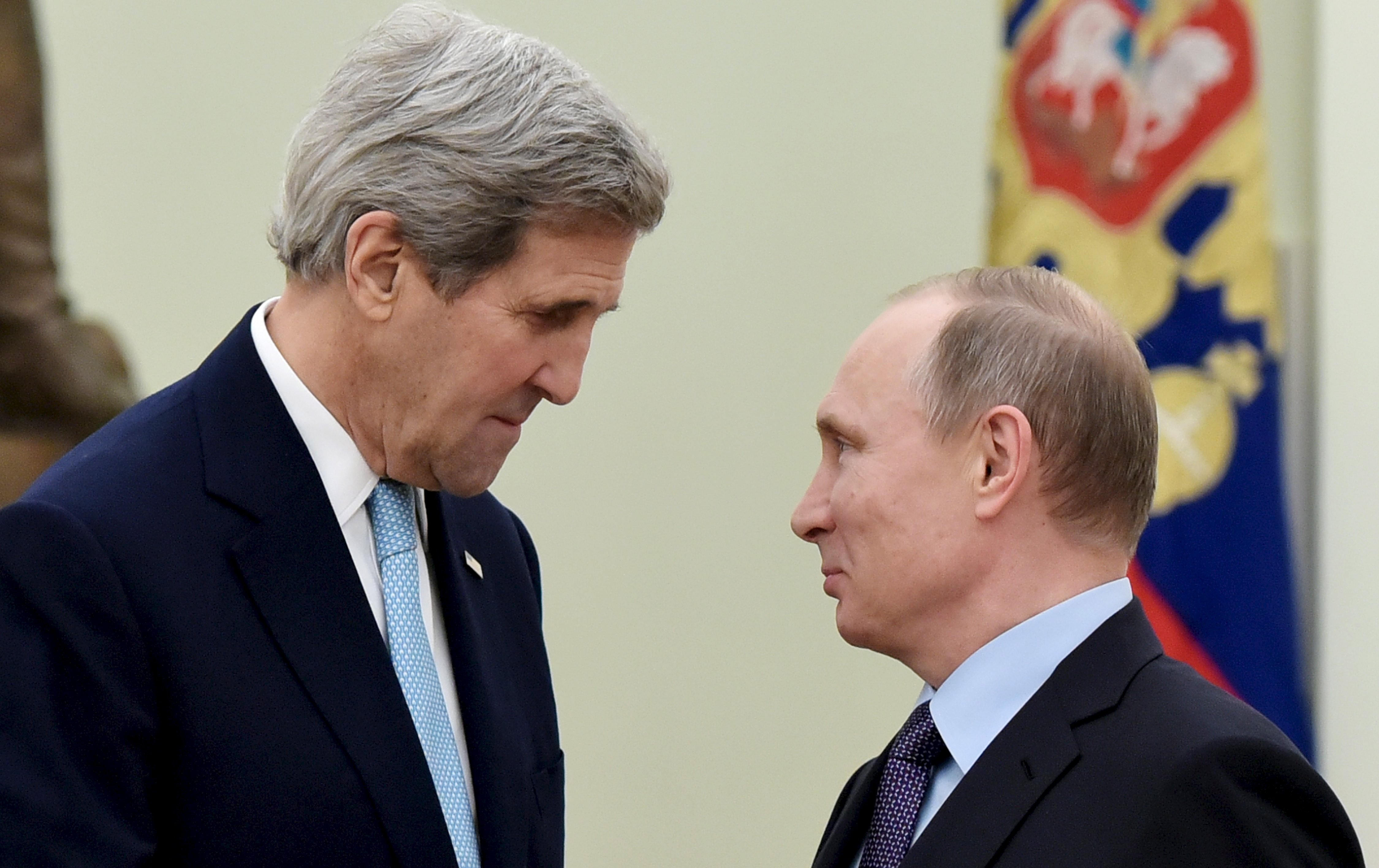
Russia's pattern of airstrikes in Syria indicate that it is preparing a "plan B" should the regime fail to restore a central Syrian state and be forced to retreat to a fragment of government-held territory along the Mediterranean.
"A second option [for Russia] is to fall back to the defensible parts of useful Syria after guaranteeing the safety of the Alawi canton," Joseph Bahout, a visiting scholar in the Middle East Program at the Carnegie Endowment for International Peace, wrote of Russia in Carnegie's "Syria in Crisis" blog.
"This is perhaps already a consideration, as the majority of Russian airstrikes concentrate on the contours of this area."
Since intervening on behalf of Syrian President Bashar al-Assad in late September, Russia has used airstrikes to create a buffer zone between rebel-held territory in the southern Idlib province and the traditional homeland of the Assads' Alawite sect in the Latakia governorate.
The airstrikes have also targeted rebel-controlled territory just north of Homs that borders this so-called Alawi canton.
Saudi Arabia will cut all diplomatic ties with Iran, the Saudi foreign ministry said on Sunday.
Saudi officials said that Iranian diplomats have 48 hours to leave the country, according to CNN.
Foreign Minister Adel al-Jubeir told a news conference that "Riyadh would not allow the Islamic Republic to undermine the Sunni kingdom's security," according to Reuters.
He added: "The Iranian regime has a long record of violating foreign diplomatic missions."
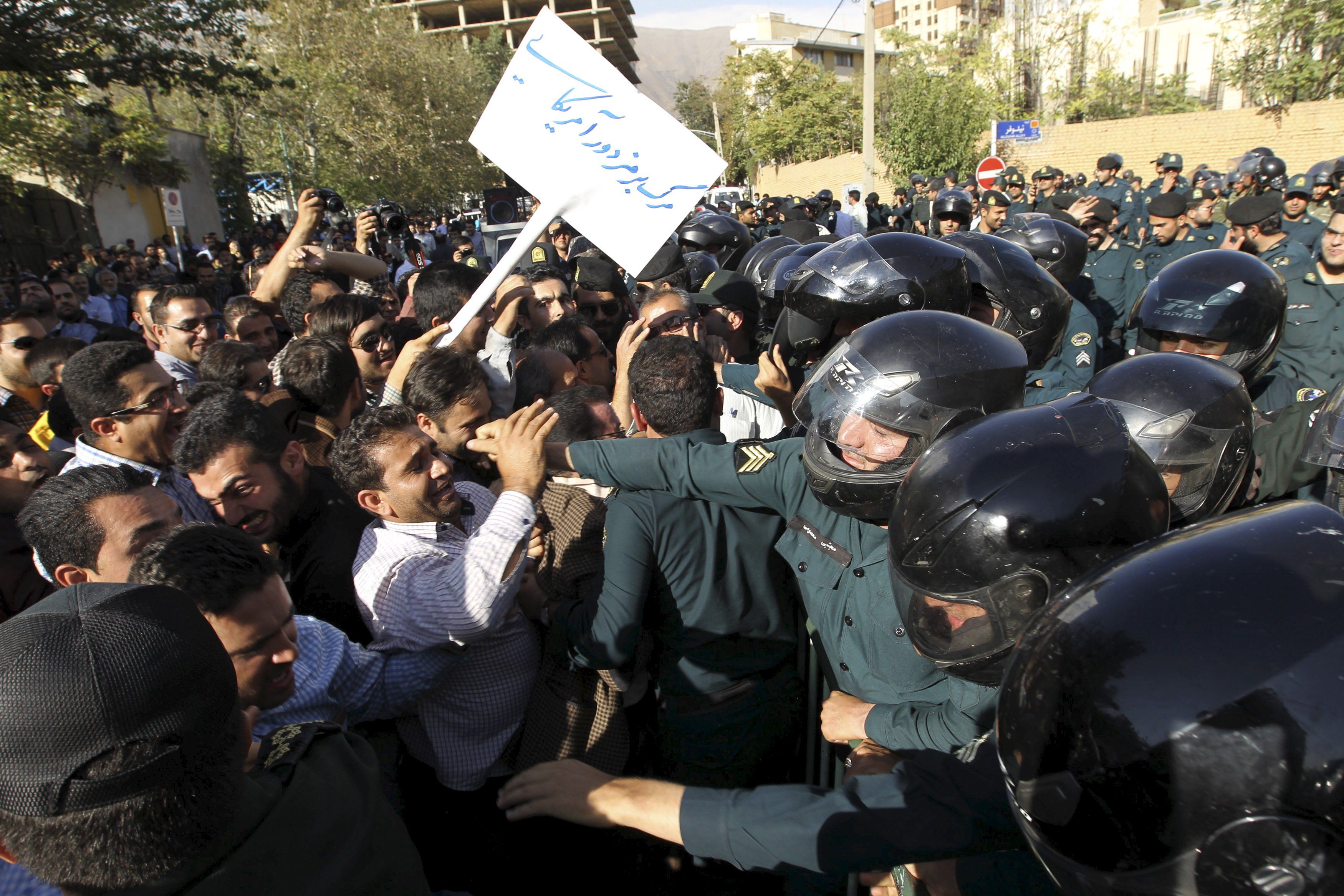
The move comes after Iranian protesters attacked the Saudi embassy in Tehran, ransacking and setting fire to the building in retaliation for Saudi Arabia's execution of a prominent Shiite cleric and 46 others on Saturday.
Sheikh Nimr al-Nimr, an outspoken critic of Saudi Arabia's treatment of its Shiite Muslim minority, was executed on charges of inciting domestic terrorism and plotting to overthrow the Saudi government.
by hoteliermiddleeast.com
Hotels in Beirut were incapable of achieving full occupancy for New Year, despite experiencing a relatively stable security situation.
“Occupancy in Beirut hotels stands at around 70% for the New Year while it reaches 70% to 80% in areas outside the capital,” Federation of Touristic Syndicates head Jean Beyrouthy said to local media. “However, mountain hotels saw a drop in business due to the absence of snow,” he added.
Beyrouthy claimed that Lebanon could have attracted a greater number of tourists this year because of the relatively stable security situation it has experienced compared to others in the region. He added that only a few hotels managed to reach full occupancy this year, attributing success to their own exisiting clients or because of their special locations within the city.


Population Movements to Keserwan - The Khazens and The Maans
ما جاء عن الثورة في المقاطعة الكسروانية
ثورة أهالي كسروان على المشايخ الخوازنة وأسبابها
Origins of the "Prince of Maronite" Title
Growing diversity: the Khazin sheiks and the clergy in the first decades of the 18th century
Historical Members:
Barbar Beik El Khazen [English]
Patriach Toubia Kaiss El Khazen(Biography & Life Part1 Part2) (Arabic)
Patriach Youssef Dargham El Khazen (Cont'd)
Cheikh Bishara Jafal El Khazen
Patriarch Youssef Raji El Khazen
The Martyrs Cheikh Philippe & Cheikh Farid El Khazen
Cheikh Nawfal El Khazen (Consul De France)
Cheikh Hossun El Khazen (Consul De France)
Cheikh Abou-Nawfal El Khazen (Consul De France)
Cheikh Francis Abee Nader & his son Yousef
Cheikh Abou-Kanso El Khazen (Consul De France)
Cheikh Abou Nader El Khazen
Cheikh Chafic El Khazen
Cheikh Keserwan El Khazen
Cheikh Serhal El Khazen [English]
Cheikh Rafiq El Khazen [English]
Cheikh Hanna El Khazen
Cheikha Arzi El Khazen
Marie El Khazen