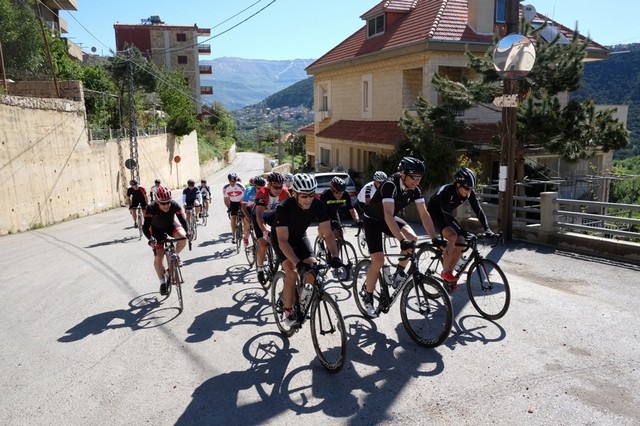
BEIRUT // On the chaotic streets of Lebanon’s capital, pavements – let alone bike lanes – are nearly nonexistent.
In any space where a vehicle is not moving through, another vehicle is parked. Beat-up sedans, luxury cars, motorcycles and pedestrians dart around the parked vehicles, sometimes only missing each other by a few centimetres.
Traffic signs are not even viewed as a suggestion – they are ignored.
In this environment, walking is considered a dangerous enough activity. Few dare to cycle.
Yet slowly, a cycling culture is emerging in Beirut. Bikers crowd the seaside corniche, one of the few paved areas where no cars are found. On quiet weekend mornings, cyclists meander through the usually crowded, narrow streets of Beirut’s quainter quarters, such as Gemmayze and Mar Mikhael in east Beirut.
While the world has focused most of its attention on the Syrian refugee crisis’ effect on Europe, the biggest crisis is actually …
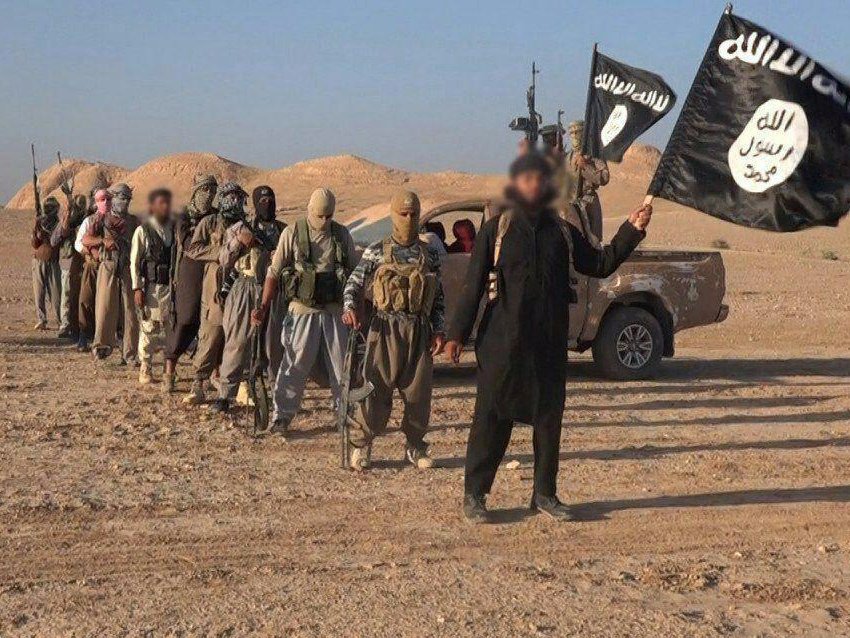
ISIS has been tightening security along the borders of its "caliphate" to prevent people from fleeing, according to locals familiar with the terrorist group's territory.
And ISIS — aka the Islamic State — seems to be keeping a closer watch over its populace.
People who live in Raqqa, Syria, the de-facto capital of the group's territory, which it calls its "caliphate," are now reportedly forced to register with the militant government.
There are restrictions on what people can take in and out of ISIS-held cities. And women aren't allowed to go anywhere without a male relative escort.
"Leaving the city is now really hard," Abu Ibrahim al-Raqqawi, an activist with the group Raqqa Is Being Slaughtered Silently, told Business Insider recently. "The problem is not going to Raqqa, it's how to get out." Raqqa is the center of ISIS's operations in the Middle East. Raqqawi — who uses a pseudonym — still travels back and forth from the city with the help of smugglers, he said. His family remains there.
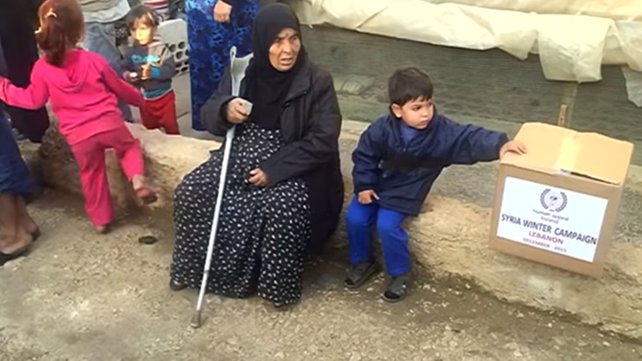
Lebanon is just over half the size of Leinster, but by virtue of its proximity to neighbouring Syria, it has borne the brunt of the number of refugees fleeing across the border to escape civil war, writes RTÉ’s Aengus Cox.
At the beginning of December 2015 there were an estimated 1.2m displaced Syrians spread across Lebanon, comprising more than a quarter of the country’s population.
With the high number of refugees, traditional camps have not proven sufficient to cope with the escalating crisis.
In Lebanon there is now an established profile of both rural and urban refugees.
The capital Beirut, for example, is now home to at least 50,000 Syrians who have fled their homeland.
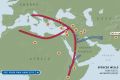
Population Movements to Keserwan - The Khazens and The Maans
ما جاء عن الثورة في المقاطعة الكسروانية
ثورة أهالي كسروان على المشايخ الخوازنة وأسبابها
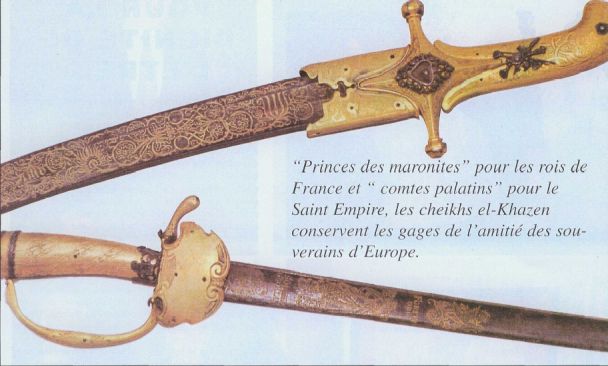
Origins of the "Prince of Maronite" Title
Growing diversity: the Khazin sheiks and the clergy in the first decades of the 18th century
Historical Members:
Barbar Beik El Khazen [English]
Patriach Toubia Kaiss El Khazen(Biography & Life Part1 Part2) (Arabic)
Patriach Youssef Dargham El Khazen (Cont'd)
Cheikh Bishara Jafal El Khazen
Patriarch Youssef Raji El Khazen
The Martyrs Cheikh Philippe & Cheikh Farid El Khazen
Cheikh Nawfal El Khazen (Consul De France)
Cheikh Hossun El Khazen (Consul De France)
Cheikh Abou-Nawfal El Khazen (Consul De France)
Cheikh Francis Abee Nader & his son Yousef
Cheikh Abou-Kanso El Khazen (Consul De France)
Cheikh Abou Nader El Khazen
Cheikh Chafic El Khazen
Cheikh Keserwan El Khazen
Cheikh Serhal El Khazen [English]
Cheikh Rafiq El Khazen [English]
Cheikh Hanna El Khazen
Cheikha Arzi El Khazen
Marie El Khazen