Rachel Gillett and Samantha Lee
Harry S. Dent Jr., Economy & Markets
The attack on Charlie Hebdo…
The near-bankruptcy of Greece…
The massive influx of refugees from Syria…
And the terror attack on the “City of Light”…
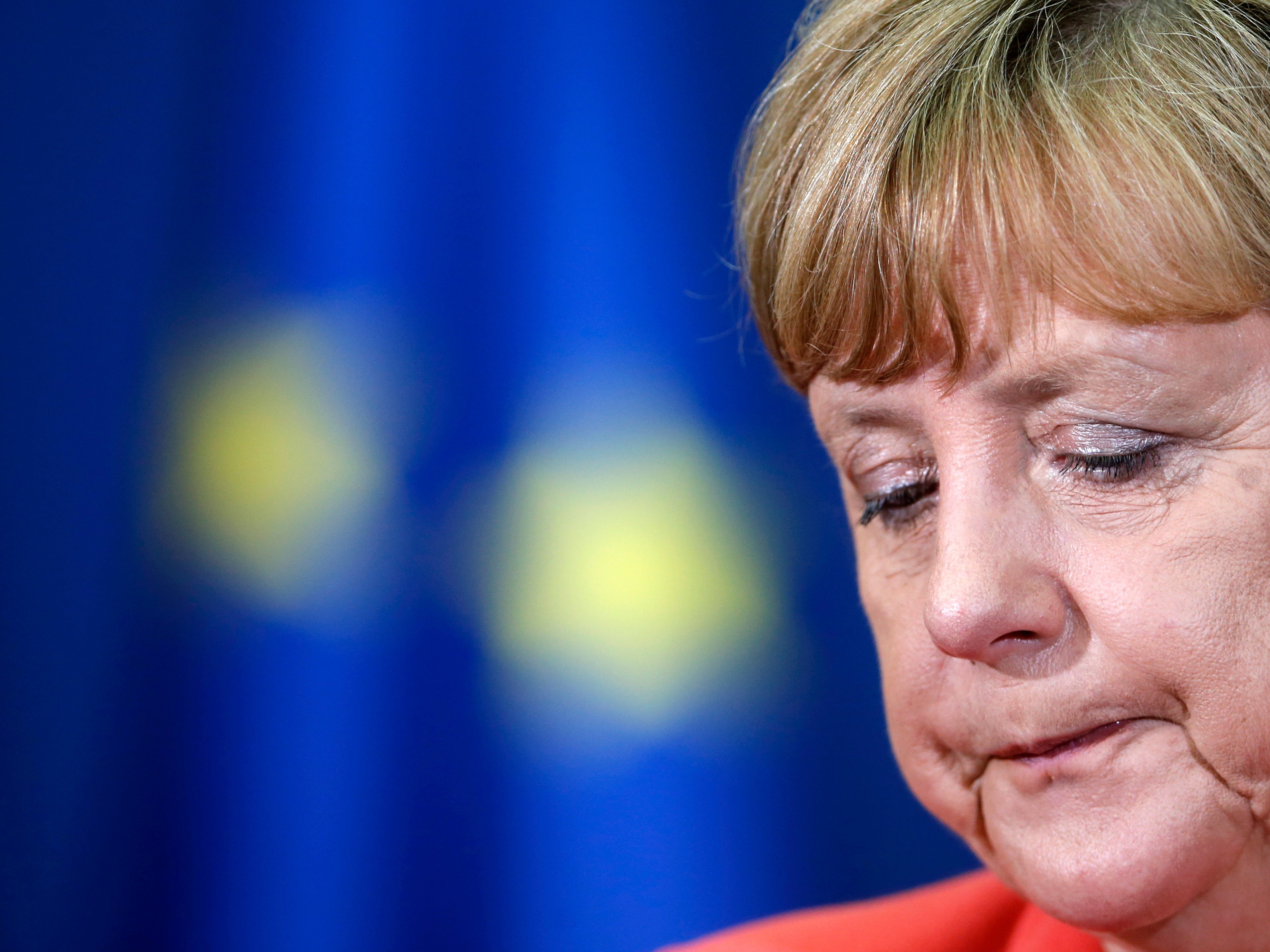
That’s how a video begins on Time Magazine’s website celebrating Angela Merkel, the chancellor of Germany, the de facto leader of Europe, and their “Person of the Year.”
As they put it, 2015 has been the most tumultuous year for Europe in recent memory. And Merkel, for all her “merkeling,” embodies Europe’s ideals of openness and solidarity in a time when both are being tested.
If it’s been said that nobody gets rich off the news, then the same runs true that once the mainstream media catches onto you as a trend, or when your name becomes a verb, it’s over!
By the time everyone and their dog knows a person’s name, the S-Curve has already matured, so to speak. Their popularity is no longer on the upswing – it’s already reached peak saturation. And no one stays on top forever.
In 1982, California voters were supposed to elect former Los Angeles Mayor Tom Bradley as the state's governor.
Bradley went into the election with a sizable lead over George Deukmejian. Exit polls projected a Bradley win. But when the ballots were counted, Deukmejian came out the winner.
Thus the "Bradley effect" was born — named as such because many white voters, who told pollsters they were voting for an African-American (Bradley), ended up breaking for the white candidate (Deukmejian).
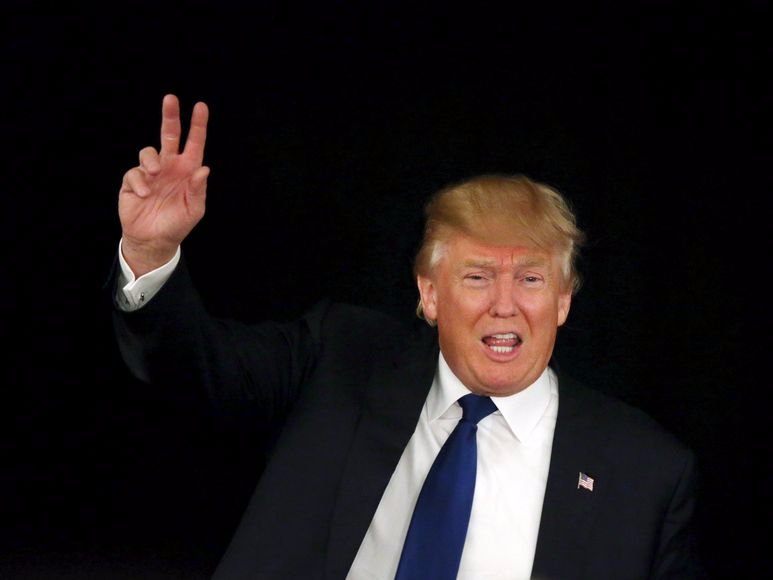
Could Donald Trump be the 2016 version of a reverse "Bradley effect?"
That's the theory of a new study released earlier this week by Morning Consult, a DC-based data and technology company.
The study examined a mystery that has confounded polling analysts over the past few months: Why does Trump perform better in online-based surveys than polls that include live-telephone interviews?
The study posited that voters, when interviewed by pollsters via telephone, are reluctant to admit their support for a controversial candidate whose critics have painted him as racist. In self-administered online interviews, on the other hand, they will be more likely to admit their support. And that will more likely reflect their eventual decision in the privacy of a voting booth.




Population Movements to Keserwan - The Khazens and The Maans
ما جاء عن الثورة في المقاطعة الكسروانية
ثورة أهالي كسروان على المشايخ الخوازنة وأسبابها
Origins of the "Prince of Maronite" Title
Growing diversity: the Khazin sheiks and the clergy in the first decades of the 18th century
Historical Members:
Barbar Beik El Khazen [English]
Patriach Toubia Kaiss El Khazen(Biography & Life Part1 Part2) (Arabic)
Patriach Youssef Dargham El Khazen (Cont'd)
Cheikh Bishara Jafal El Khazen
Patriarch Youssef Raji El Khazen
The Martyrs Cheikh Philippe & Cheikh Farid El Khazen
Cheikh Nawfal El Khazen (Consul De France)
Cheikh Hossun El Khazen (Consul De France)
Cheikh Abou-Nawfal El Khazen (Consul De France)
Cheikh Francis Abee Nader & his son Yousef
Cheikh Abou-Kanso El Khazen (Consul De France)
Cheikh Abou Nader El Khazen
Cheikh Chafic El Khazen
Cheikh Keserwan El Khazen
Cheikh Serhal El Khazen [English]
Cheikh Rafiq El Khazen [English]
Cheikh Hanna El Khazen
Cheikha Arzi El Khazen
Marie El Khazen