catholicherald.co.uk
Catholic patriarchs from the Middle East have encouraged their troubled people to find inner peace at Christmas and urged the world to remember them.
“In Iraq, we will celebrate the birth of Christ who comes into our hearts in silence and tears,” said Chaldean Catholic Patriarch Louis Sako of Baghdad. However, he said, “We remain sustained by (an) inner peace that perpetuates the joy of faith and hope that we will, despite the trials, work toward a fairer country and a better future.”
“This year, Iraqi Christians will celebrate Christmas in deplorable conditions,” he said, citing “the deteriorating situation at all levels in our country” and “what they experienced as Christians, victims of segregation and exclusion.”
ISIS still occupies Mosul and the cities of the Ninevah Plain, the patriarch said.
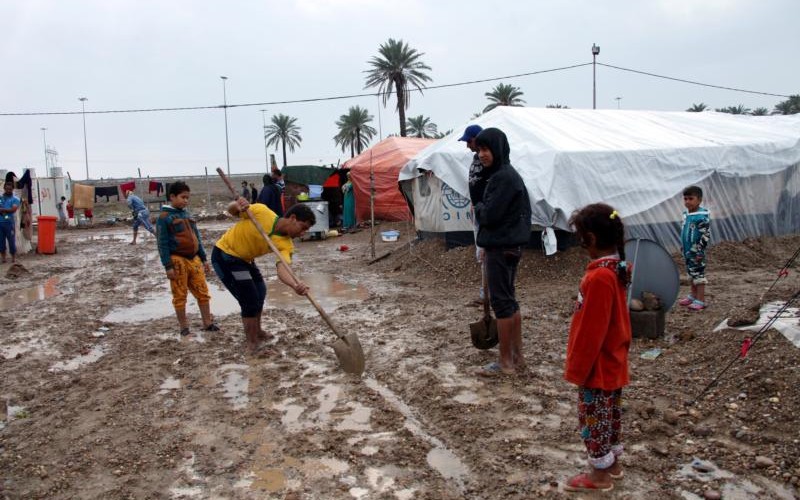
“No one, except those who have planned this religious purification, could have imagined such a catastrophe,” Patriarch Sako said, noting that, since the summer of 2014, many Christians have been forced to live in camps, in which their needs are being provided for only by the church or civil society.
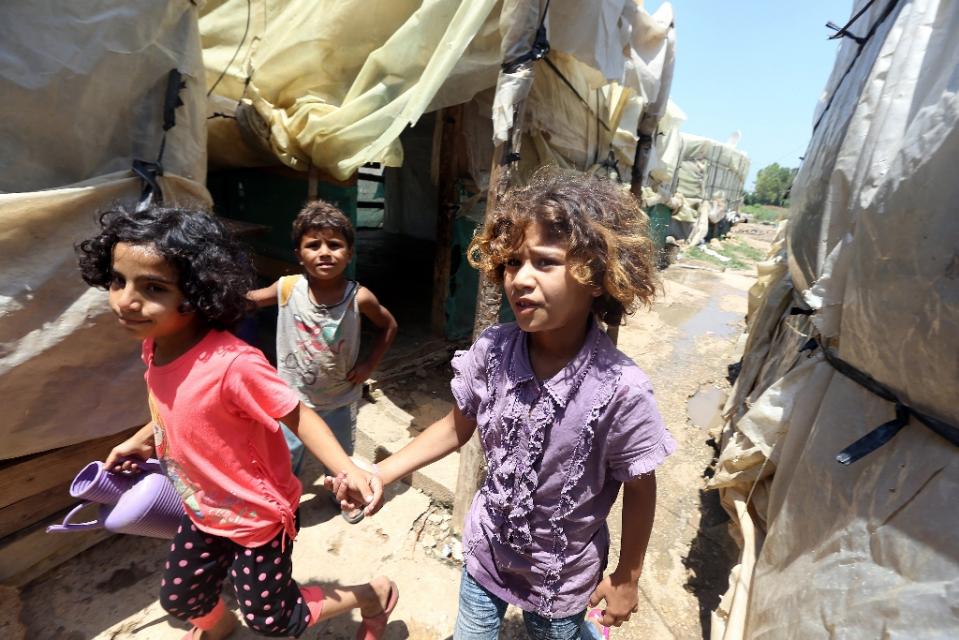
Beirut (AFP) - More than two-thirds of Syrian refugees in Lebanon live in extreme poverty, according to a United Nations study published Wednesday, up nearly 50 percent from last year.
Based on an assessment of more than 4,000 refugee households, the report found that an estimated 70 percent of them are living below the Lebanese extreme poverty line of $3.84 (3.52 euros) per day.
"This is a striking increase from 49 per cent in 2014," said Mireille Girard, head of the UN refugee agency's Lebanon office.
The inter-agency study was conducted by the World Food Programme, the refugee agency and the UN's children's fund.
Refugees are facing a dire situation as their savings dry up, work opportunities are increasingly rare and humanitarian aid packages grow smaller.
According to the study, the refugees are borrowing to cover even their most basic needs, including rent, food, and healthcare, putting nearly 90 percent of them in debt.
Household spending dropped to $493 per month from $762 in 2014, reflecting reduced quality of food consumed and a heightened reliance on debt and humanitarian aid.
By: icrc.org
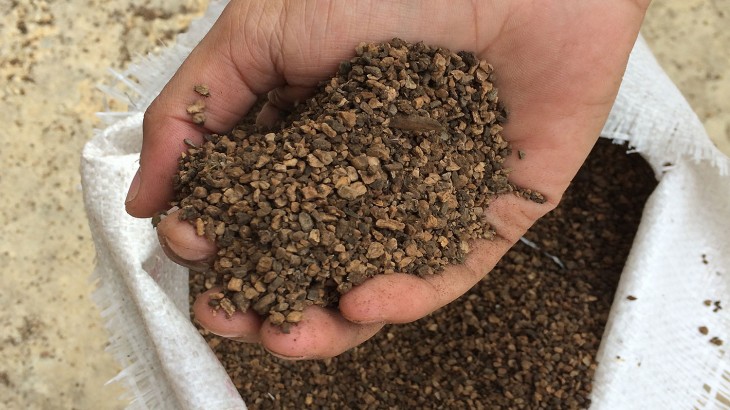
In preparation for the coming winter, which is expected to be particularly harsh, the ICRC recently delivered 10 tons of olive husk fuel to heat the Al Rahma health clinic in the mountainous area of Chebaa in the south-east of Lebanon.
Chebaa is squeezed between the Syrian and Israeli borders and has long been directly or indirectly exposed to conflicts and their effects. Over the past few years, its population has grown considerably because of the presence of refugees from neighbouring Syria, which has put a significant strain on the already fragile local infrastructure.
By Kareem Chehayeb: middleeastmonitor.com/
The Lebanese government’s mix-up with the Saudi-led anti-terror coalition isn’t just another example of its political chaos. It is a sign of how the country is more disjointed than ever; the empty presidential chair is just the tip of the iceberg.
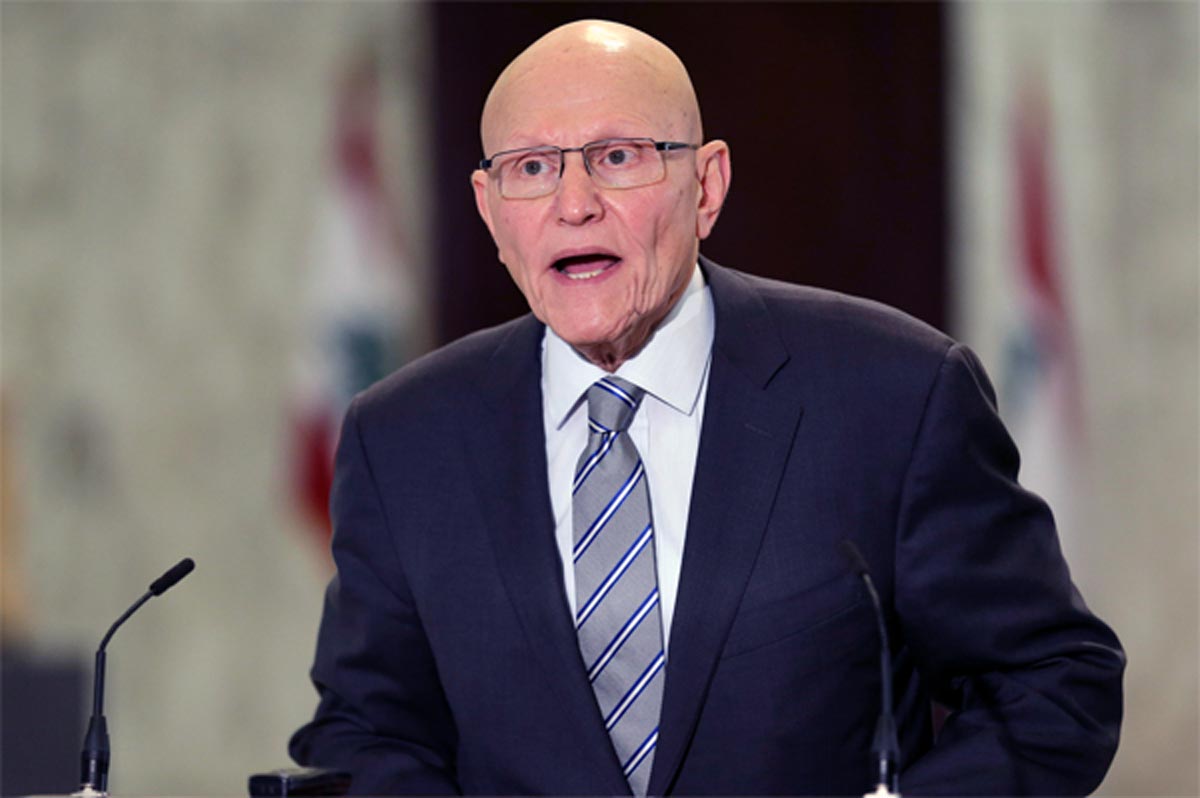
Like Indonesia, Pakistan and Malaysia, Lebanon’s government wasn’t entirely aware of the fact that it was included in Riyadh’s counter-terrorism initiative, which many have been calling a coalition of Islamic nations. Prime Minister Tammam Salam, who leans towards the pro-West March 14 Alliance, welcomed Lebanon’s inclusion in the 34-state coalition, and believes that his country has a big role to play. Things got more interesting once the foreign ministry, under Foreign Minister Gebran Bassil of the Freedom Patriotic Movement (FPM), the largest Christian party of the pro-Assad and Iran March 8 Alliance, released a statement of its own. The foreign ministry wasn’t aware of Lebanon’s inclusion; it condemned the prime minister for making his statement without notifying officials, stating that the incident “impinges on the ministry’s prerogatives and its constitutional role in dealing with foreign policy.” This alone foreshadows some terrible consequences if Lebanon does commit to the coalition, and it’s only one of many reasons why it shouldn’t.

Population Movements to Keserwan - The Khazens and The Maans
ما جاء عن الثورة في المقاطعة الكسروانية
ثورة أهالي كسروان على المشايخ الخوازنة وأسبابها
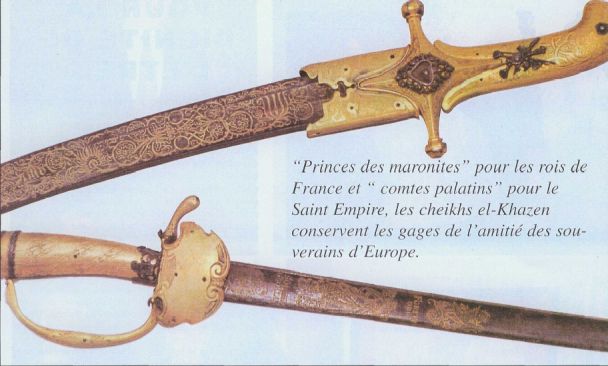
Origins of the "Prince of Maronite" Title
Growing diversity: the Khazin sheiks and the clergy in the first decades of the 18th century
Historical Members:
Barbar Beik El Khazen [English]
Patriach Toubia Kaiss El Khazen(Biography & Life Part1 Part2) (Arabic)
Patriach Youssef Dargham El Khazen (Cont'd)
Cheikh Bishara Jafal El Khazen
Patriarch Youssef Raji El Khazen
The Martyrs Cheikh Philippe & Cheikh Farid El Khazen
Cheikh Nawfal El Khazen (Consul De France)
Cheikh Hossun El Khazen (Consul De France)
Cheikh Abou-Nawfal El Khazen (Consul De France)
Cheikh Francis Abee Nader & his son Yousef
Cheikh Abou-Kanso El Khazen (Consul De France)
Cheikh Abou Nader El Khazen
Cheikh Chafic El Khazen
Cheikh Keserwan El Khazen
Cheikh Serhal El Khazen [English]
Cheikh Rafiq El Khazen [English]
Cheikh Hanna El Khazen
Cheikha Arzi El Khazen
Marie El Khazen