By Kareem Chehayeb: middleeastmonitor.com/
The Lebanese government’s mix-up with the Saudi-led anti-terror coalition isn’t just another example of its political chaos. It is a sign of how the country is more disjointed than ever; the empty presidential chair is just the tip of the iceberg.
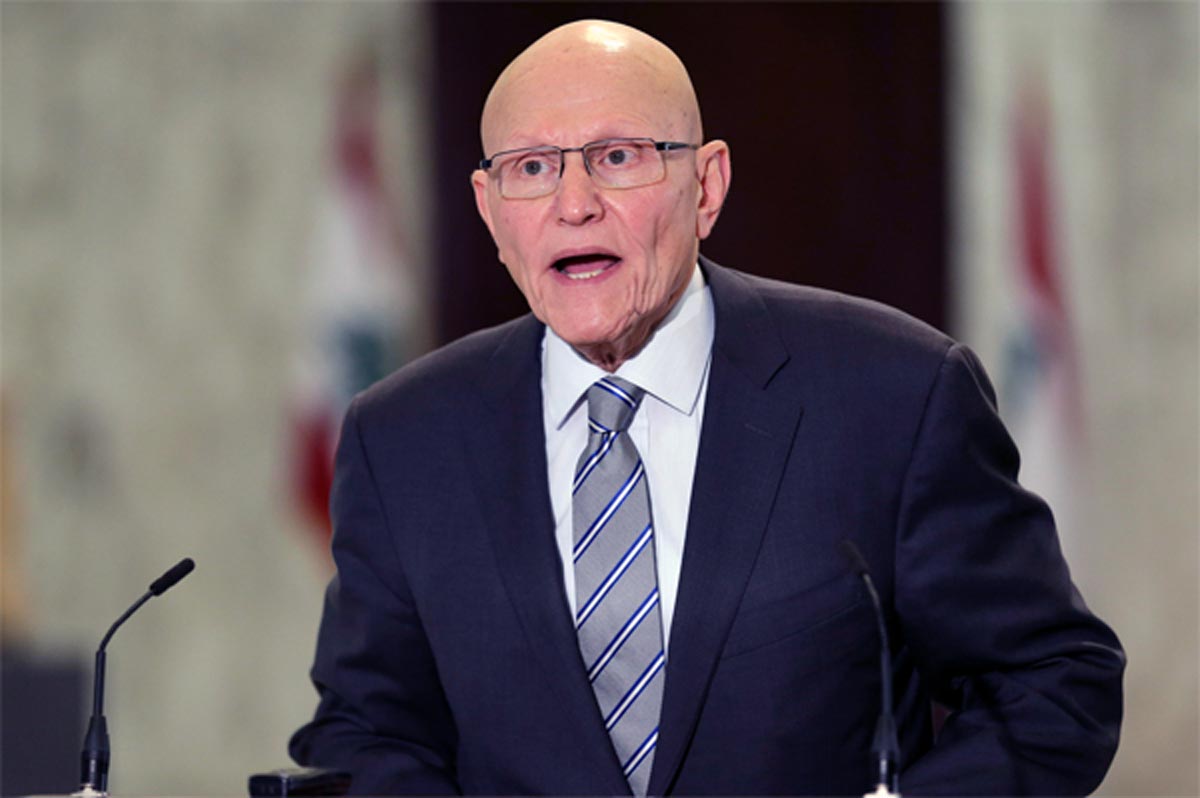
Like Indonesia, Pakistan and Malaysia, Lebanon’s government wasn’t entirely aware of the fact that it was included in Riyadh’s counter-terrorism initiative, which many have been calling a coalition of Islamic nations. Prime Minister Tammam Salam, who leans towards the pro-West March 14 Alliance, welcomed Lebanon’s inclusion in the 34-state coalition, and believes that his country has a big role to play. Things got more interesting once the foreign ministry, under Foreign Minister Gebran Bassil of the Freedom Patriotic Movement (FPM), the largest Christian party of the pro-Assad and Iran March 8 Alliance, released a statement of its own. The foreign ministry wasn’t aware of Lebanon’s inclusion; it condemned the prime minister for making his statement without notifying officials, stating that the incident “impinges on the ministry’s prerogatives and its constitutional role in dealing with foreign policy.” This alone foreshadows some terrible consequences if Lebanon does commit to the coalition, and it’s only one of many reasons why it shouldn’t.
by Jamie Nimmo
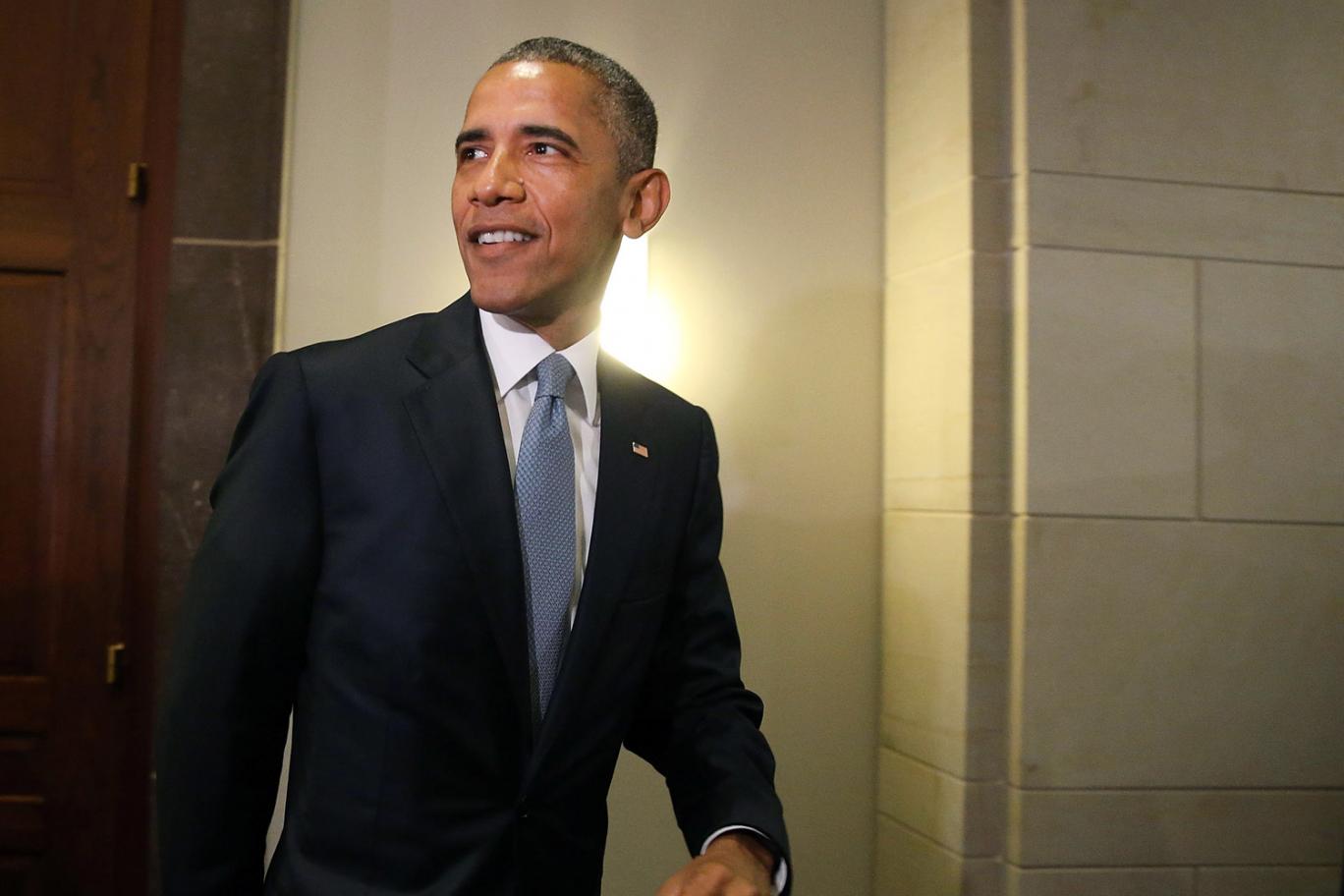
The company behind pioneering heart-monitoring technology praised by President Obama has landed in London as part of a scheme to nurture start-ups from troubled Lebanon.
CardioDiagnostics, founded in the US in 2012 by Lebanese entrepreneur Ziad Sankari, is behind LifeSense, the world’s first cloud-based cardiac monitor — a wearable device that evaluates heart activity and can alert the hospital in case of emergency.
At a White House event in May, Obama told Sankari: “You are the face of change. You have the power to drive creative solutions to our pressing challenges.”
CardioDiagnostics is one of 15 start-ups on a six-month programme in London called the UK-Lebanon Tech Hub, a joint scheme by the Government and Lebanon’s central bank.
The aim is to break into European markets before the entrepreneurs return to conflict-strewn Lebanon to grow their businesses.
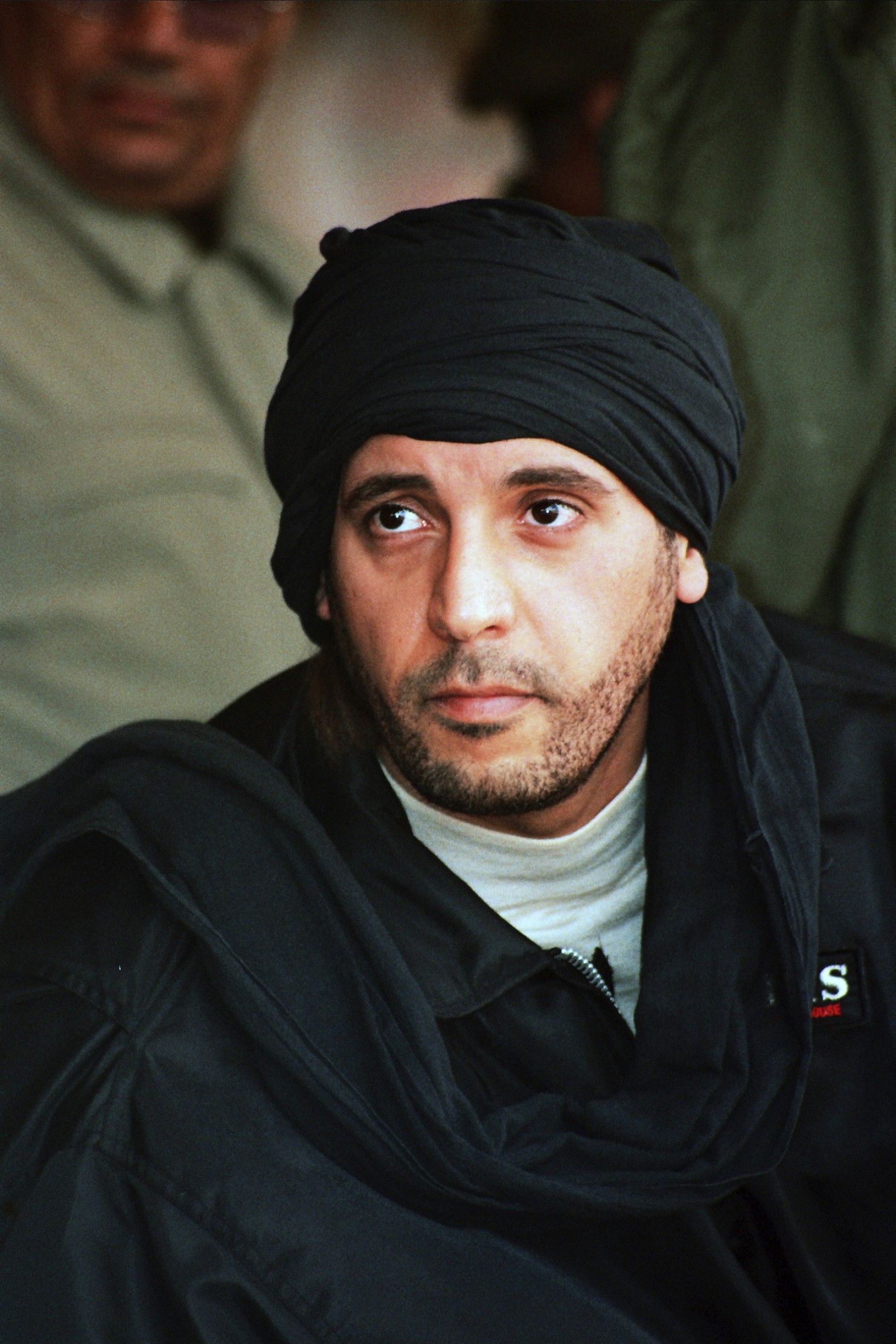
FILE - In this undated file photo made available Sept. 25, 2011, Hannibal Gadhafi, son of the recently ousted Libyan leader Moammar Gadhafi
BEIRUT, Lebanon — When the youngest son of the former Libyan leader, Col. Muammar el-Qaddafi, was arrested in Lebanon last week in connection with the unsolved disappearance of Moussa al-Sadr, an exalted Lebanese Shiite cleric who vanished while visiting Libya in 1978, speculation sprouted about new information concerning one of the biggest whodunits in the treacherous politics of the Middle East.
On Monday, the mystery deepened with news that the son, Hannibal Qaddafi, may have been forcibly — and illegally — brought to Lebanon against his will in a plot involving the son of a colleague of Mr. Sadr’s, Sheikh Mohammad Yacoub, who disappeared along with Mr. Sadr and a third companion in Libya nearly four decades ago.
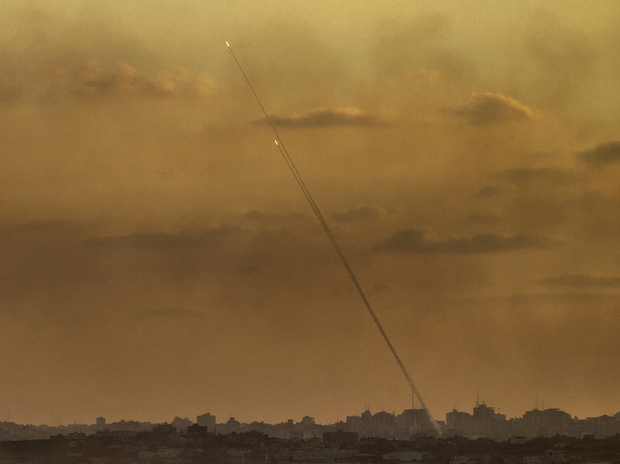
Israeli artillery has fired on areas of south Lebanon after two rockets were shot into Israel, the Israeli army has said. "The Israel Defence Forces have responded with targeted artillery fire following the rockets that hit Israel earlier today from southern Lebanon," the army said in a statement on Sunday. Two Katyusha-type rockets were fired from south Lebanon into Israel, a Lebanese security source said.
"Two Katyusha rockets were fired from a Lebanese village 5km from the border with Israel," the Lebanese source told the AFP news agency. Israeli military sources told AFP that one rocket crashed into the Galilee region and the impact of another was heard. No casualties were reported. The Lebanese national news agency NNA said Israel fired nine rounds of artillery at the south. The rocket fire from the Hezbollah heartland of south Lebanon followed the killing of Samir Kantar, a militant in the Shia group notorious for the 1979 murder of three Israelis, including a four-year-old girl.




Population Movements to Keserwan - The Khazens and The Maans
ما جاء عن الثورة في المقاطعة الكسروانية
ثورة أهالي كسروان على المشايخ الخوازنة وأسبابها
Origins of the "Prince of Maronite" Title
Growing diversity: the Khazin sheiks and the clergy in the first decades of the 18th century
Historical Members:
Barbar Beik El Khazen [English]
Patriach Toubia Kaiss El Khazen(Biography & Life Part1 Part2) (Arabic)
Patriach Youssef Dargham El Khazen (Cont'd)
Cheikh Bishara Jafal El Khazen
Patriarch Youssef Raji El Khazen
The Martyrs Cheikh Philippe & Cheikh Farid El Khazen
Cheikh Nawfal El Khazen (Consul De France)
Cheikh Hossun El Khazen (Consul De France)
Cheikh Abou-Nawfal El Khazen (Consul De France)
Cheikh Francis Abee Nader & his son Yousef
Cheikh Abou-Kanso El Khazen (Consul De France)
Cheikh Abou Nader El Khazen
Cheikh Chafic El Khazen
Cheikh Keserwan El Khazen
Cheikh Serhal El Khazen [English]
Cheikh Rafiq El Khazen [English]
Cheikh Hanna El Khazen
Cheikha Arzi El Khazen
Marie El Khazen