Billboards, newsletters, radio stations, murals, big-screens, and pamphlets.
ISIS inundates the residents of its territory with propaganda that has become nearly impossible to escape.
It's well-known that ISIS has been very successful in disseminating its propaganda online to recruit westerners to its self-proclaimed Islamic "caliphate," the swath of territory it controls in Iraq and Syria.
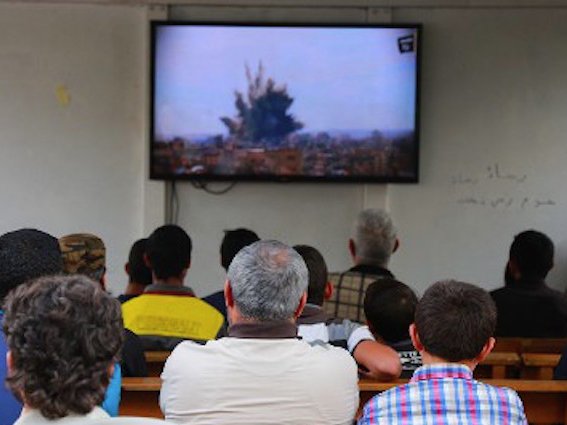
But ISIS also runs a very sophisticated operation within the caliphate itself to brainwash the population it rules. The group has set up "media points" in the cities it controls to maximize the exposure of its propaganda to the public.
The media points are surprisingly high-tech. People can can submit their own material or download media from machines that have built-in slots for SIM cards and flash drives. Large flat-screen TVs set up in public places show gruesome beheading videos alongside scenes of utopia. One activist from Raqqa, Syria compared the screens ISIS has placed in central areas of the city to Times Square in New York — highly visible and well-known to those who live there.
catholicherald.co.uk
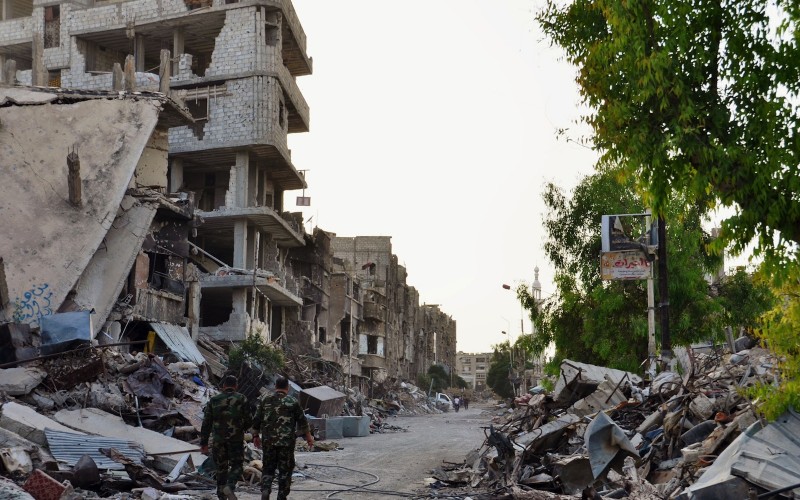
The Church in Syria faces a “suicidal choice” of either exile or “living under the shadow of Islam”, one of Syria’s leading clerics has said.
In his pre-Christmas letter Maronite Archbishop Samir Nassar of Damascus spoke of the exodus of Christians from the country, much of which is under the control of Islamist groups like ISIS and the al-Qaeda-linked al-Nusra Front. He also spoke about the sense of hopelessness that pervades the country as it approaches its fifth Christmas at war.
In a letter the archbishop wrote that: “Since 2003 (the Iraq war) and especially since 2011 (Arab spring) the exodus of Christians from the east increases. Some reports give only ten years for the page to turn concerning Christianity in the Middle East. This seems to be a pessimistic view, but observed experience shows an alarming and growing emigration.
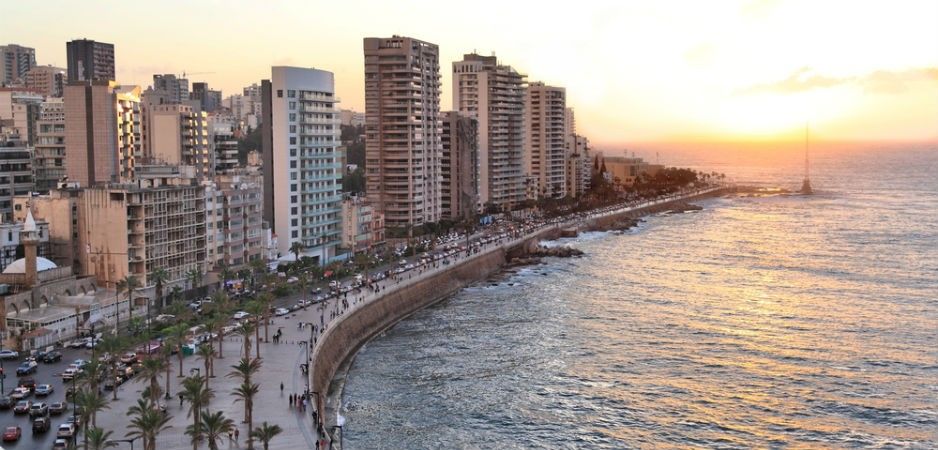
There is a consensus that Lebanon is a great location to pilot an idea, test it and then transition to an international market for growth.
fairobserver.com -
For a country that has defined and redefined itself through politics, religion, immigrations, emigrations and decades of war, you may wonder what it’s like starting a company in Lebanon.
“Surprisingly peaceful, given all that you hear in the media,” says David El Achkar, co-founder of Beirut-based Yellow, a tech startup aiming to make bitcoin payments more accessible across the Middle East.
If you set aside the sociopolitical factors beyond your control, you’re left with daily inconveniences of fragmented infrastructure like electricity cuts of up to six hours, regular water shortages in the summer and fall, and an average Internet speed of 3.11 Mbps; to put things slightly in perspective, estimates abound that doubling Lebanon’s Internet bandwidth could improve GDP by 0.6%.
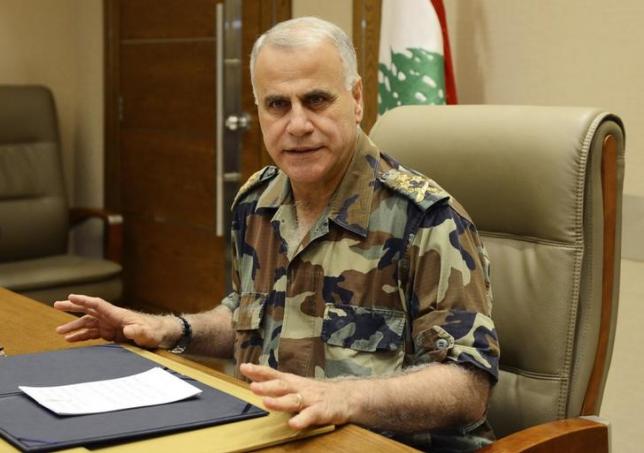
The Lebanese army commander says camps that are home to refugees from neighboring Syria represent a growing security risk as potential hideouts for militants who have been prevented from using other areas to launch attacks and rig car bombs.
General Jean Kahwaji told Reuters the security situation was otherwise broadly under control two weeks after Islamic State suicide bombers killed 44 people in the southern suburbs of Beirut in the bloodiest example yet of spillover from the Syria war.
More than one million refugees from Syria are in Lebanon living in camps in the eastern Bekaa Valley, in Beirut, in northern Lebanon and in the south. They account for about a quarter of the country's population now.




Population Movements to Keserwan - The Khazens and The Maans
ما جاء عن الثورة في المقاطعة الكسروانية
ثورة أهالي كسروان على المشايخ الخوازنة وأسبابها
Origins of the "Prince of Maronite" Title
Growing diversity: the Khazin sheiks and the clergy in the first decades of the 18th century
Historical Members:
Barbar Beik El Khazen [English]
Patriach Toubia Kaiss El Khazen(Biography & Life Part1 Part2) (Arabic)
Patriach Youssef Dargham El Khazen (Cont'd)
Cheikh Bishara Jafal El Khazen
Patriarch Youssef Raji El Khazen
The Martyrs Cheikh Philippe & Cheikh Farid El Khazen
Cheikh Nawfal El Khazen (Consul De France)
Cheikh Hossun El Khazen (Consul De France)
Cheikh Abou-Nawfal El Khazen (Consul De France)
Cheikh Francis Abee Nader & his son Yousef
Cheikh Abou-Kanso El Khazen (Consul De France)
Cheikh Abou Nader El Khazen
Cheikh Chafic El Khazen
Cheikh Keserwan El Khazen
Cheikh Serhal El Khazen [English]
Cheikh Rafiq El Khazen [English]
Cheikh Hanna El Khazen
Cheikha Arzi El Khazen
Marie El Khazen