This piece was originally published by Foreign Policy in Focus, November 20, 2015, http://fpif.org/after-paris-and-beirut-its-time-to-rein-in-saudi-arabia/
After the carnage in Paris, Western governments turned immediately to debating the usual tactics for "bringing the terrorists to justice." Should we employ drone strikes, they wonder? Boots on the ground? Police?
The much more important matter, however, is identifying and stopping the source of the nihilism, misogyny, and sectarian animus that's found fertile breeding grounds in the civil wars of the Middle East. Unless the source is addressed, there will be an endless supply of terrorists wreaking havoc. And we in the West will continue wringing our hands and responding impulsively rather than strategically.
While virtually all Islamic scholars dispute the theological soundness of the ISIS ideology, the group's roots lie in fundamentalist Sunni Islam, specifically the Wahhabi strain officially espoused by Saudi Arabia -- our "ally" -- which views Shiites as apostates and seeks to turn Islamic societies back to an intolerant (and imagined) medieval past where women are stoned for adultery and reporters are lashed. Since the 1970s, the Saudi government and its allied religious establishment have exported their extremist version of Sunni Islam around the world -- all financed by their oil money.
iloubnan.com
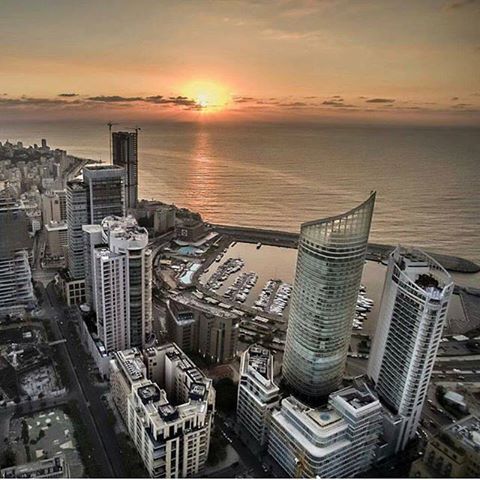
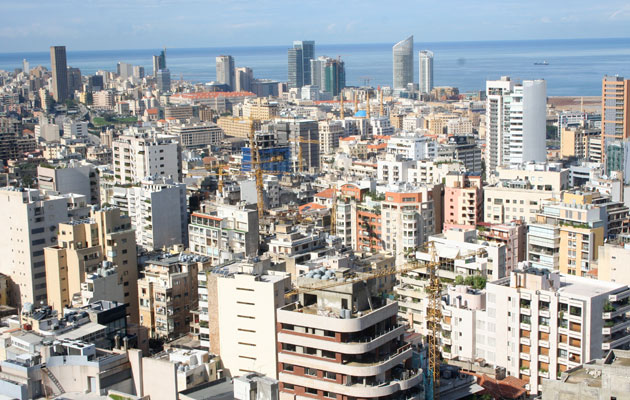
Property consultants Cushman & Wakefield's 2015 survey of the world's most expensive streets in terms of rents for retail space ranked Beirut as the 48th most expensive retail location among 65 cities worldwide, the fourth most expensive city among seven cities in the Middle East & Africa region, and the third most expensive among five Arab cities, Byblos Bank ‘Lebanon This Week’ reported.
Each city is represented by its most expensive retail street. Beirut's global rank rose by two spots from 50th place in the 2014 survey, while its regional rank was unchanged year-on-year. The study evaluated retail rental prices between June 2014 and June 2015 in over 500 locations in 65 countries around the world.
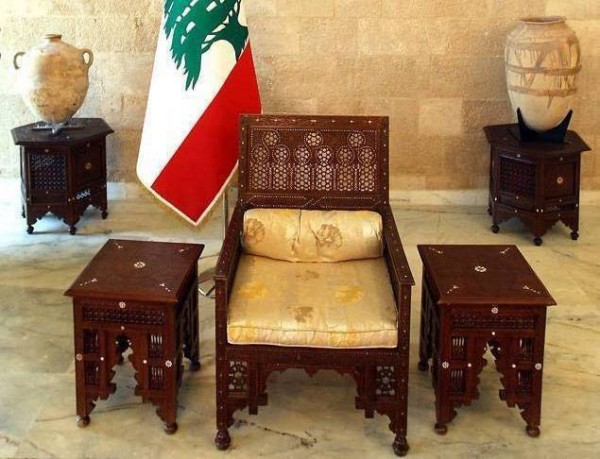
BEIRUT--Lebanon's destructive civil war ended a quarter century ago. The capital has been rebuilt. New buildings are rising and shoppers throng luxury shops. Trendy young Lebanese fill restaurants and bars at night. Lebanon is the Middle East's only melting pot. Never has the region more needed a peaceful oasis.
However, the country is a sectarian volcano. Barely a generation ago Lebanon was torn apart in a bloody civil war which drew in America for a short time. Today cars race by buildings damaged still. Bullet pockmarks subtly mark many structures, including where I stayed.
The capital is but a short drive away from the Syrian imbroglio. A fourth of Lebanon's current population is refugees. The Shia Hezbollah movement acts as a state-within-a-state, confronting Israel to the south and anti-Assad insurgents to the east. Sunni radicalism is growing. The minority Christian community has broken apart, creating political deadlock and paralyzing the government. The country faces water shortages and power outages even in Beirut, where garbage has piled high since the July closure of the city's landfill. Warned the International Crisis Group: "today's dynamics bear an uncanny similarity to those that preceded the civil war."

Population Movements to Keserwan - The Khazens and The Maans
ما جاء عن الثورة في المقاطعة الكسروانية
ثورة أهالي كسروان على المشايخ الخوازنة وأسبابها
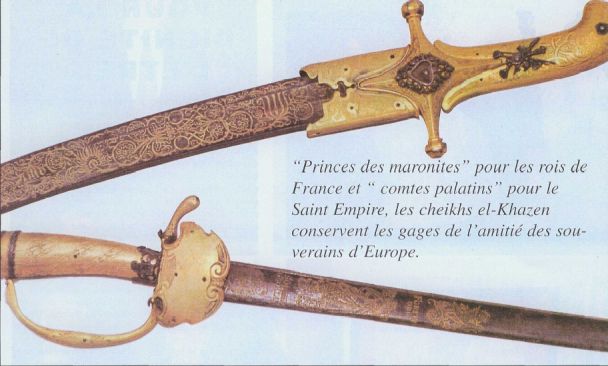
Origins of the "Prince of Maronite" Title
Growing diversity: the Khazin sheiks and the clergy in the first decades of the 18th century
Historical Members:
Barbar Beik El Khazen [English]
Patriach Toubia Kaiss El Khazen(Biography & Life Part1 Part2) (Arabic)
Patriach Youssef Dargham El Khazen (Cont'd)
Cheikh Bishara Jafal El Khazen
Patriarch Youssef Raji El Khazen
The Martyrs Cheikh Philippe & Cheikh Farid El Khazen
Cheikh Nawfal El Khazen (Consul De France)
Cheikh Hossun El Khazen (Consul De France)
Cheikh Abou-Nawfal El Khazen (Consul De France)
Cheikh Francis Abee Nader & his son Yousef
Cheikh Abou-Kanso El Khazen (Consul De France)
Cheikh Abou Nader El Khazen
Cheikh Chafic El Khazen
Cheikh Keserwan El Khazen
Cheikh Serhal El Khazen [English]
Cheikh Rafiq El Khazen [English]
Cheikh Hanna El Khazen
Cheikha Arzi El Khazen
Marie El Khazen