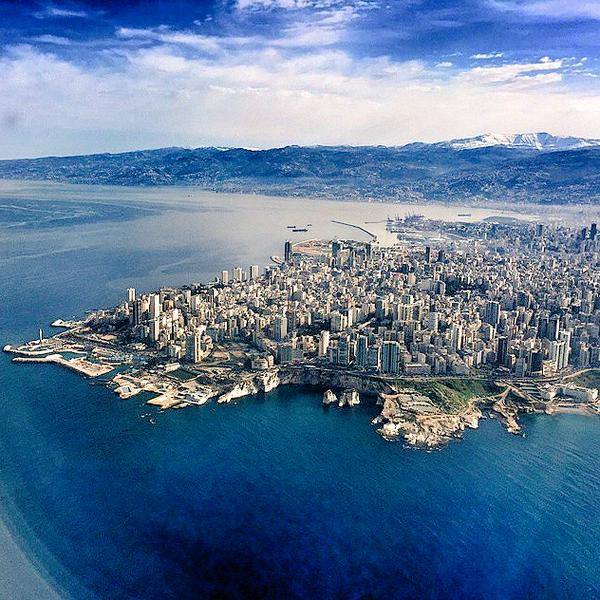
BEIRUT, Lebanon — How many bombs would have to go off in Paris before the next one would get the same reaction as a bomb in Beirut? Is it the frequency of horrific events that makes us numb to them, or the familiarity of one place over another that determines our response?
These are some of the questions being asked in the wake of two terrible terrorist attacks on two different continents.
Paris and Beirut are linked by history, culture and language. In what many consider to be its heyday — post-independence and pre-civil war — Beirut was commonly referred to as "the Paris of the Middle East." Now some are cynically, and half-seriously, calling Paris "the Beirut of Europe."
Yet two attacks carried out by the Islamic State just one day apart have revealed a stark difference in the way violence in these two cities is perceived. Not just by people in the West. Even within Lebanon, there's a difference in attitudes about domestic terror and attacks that happen abroad.
Forty-three people were killed when two suicide bombers detonated their devices in the middle of a busy market street in southern Beirut last Thursday evening. Just a day later, coordinated attacks across Paris paralyzed the city, and left 129 people dead.
By: Abdullahi Ahmed An-Na'im, The Conversation
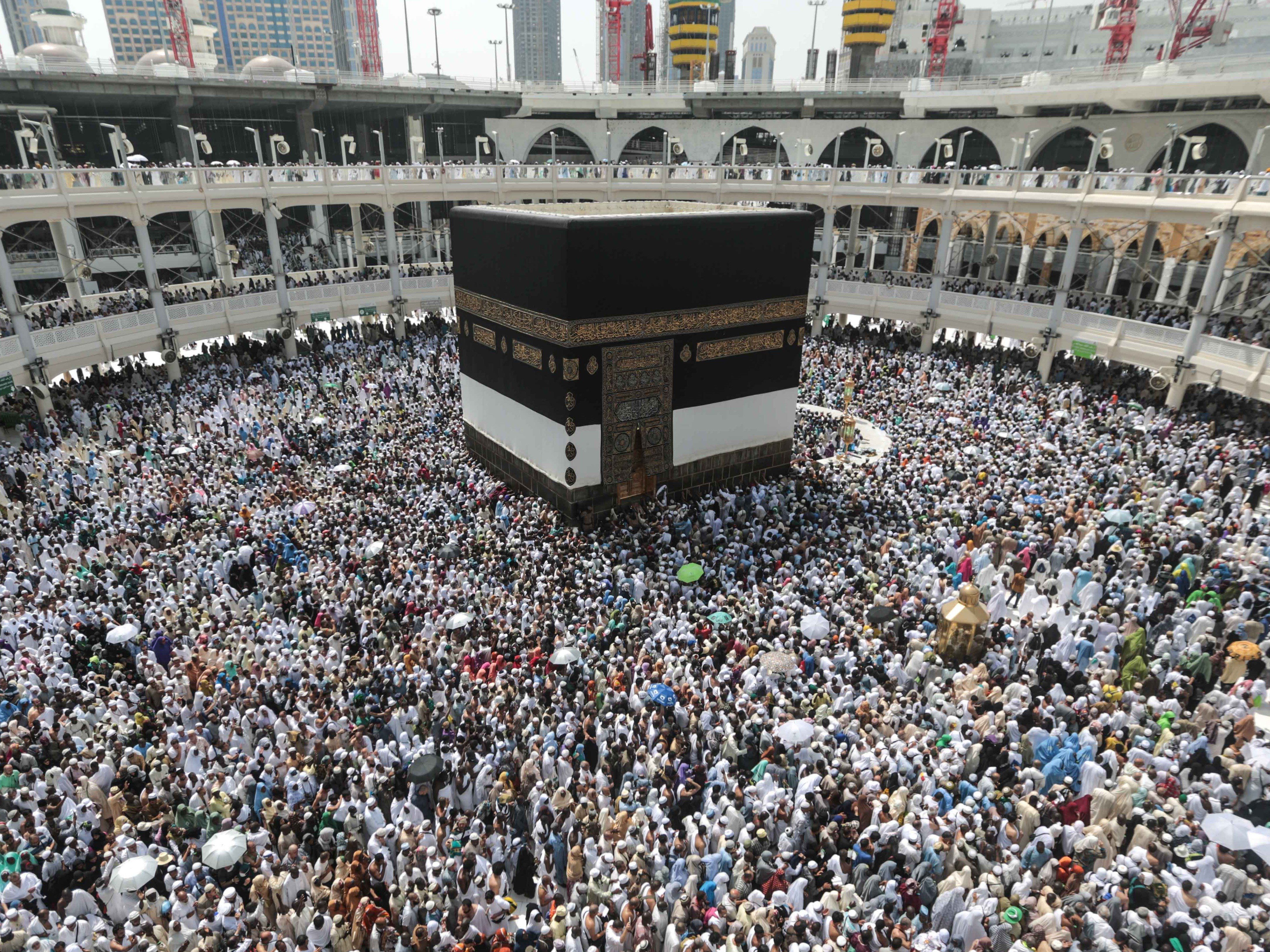
The media coverage of the terrorist atrocities of Friday November 13 in Paris would seem to promote an almost mythical image of the Islamic State (ISIS). What humanity needs, however, is to demystify ISIS as a criminal organization. And that need is particularly important in my community – the Muslim community.
The vast majority of Muslims almost certainly (we do not have exact figures) feel moral revulsion and outrage about the violence perpetrated by ISIS. Indeed, Egypt’s top Sunni cleric, to name just one example, was quick to denounce the perpetrators of Friday’s “hideous and hateful” attacks.
However, the truth of the matter is that ISIS leaders and supporters can and do draw on a wealth of scriptural and historical sources to justify their actions.
Traditional interpretations of Sharia, or Islamic law, approved aggressive jihad to propagate Islam. They permitted the killing of captive enemy men. They allowed jihadis to enslave enemy women and children, as ISIS did with the Yazidi women in Syria.
catholicherald.co.uk
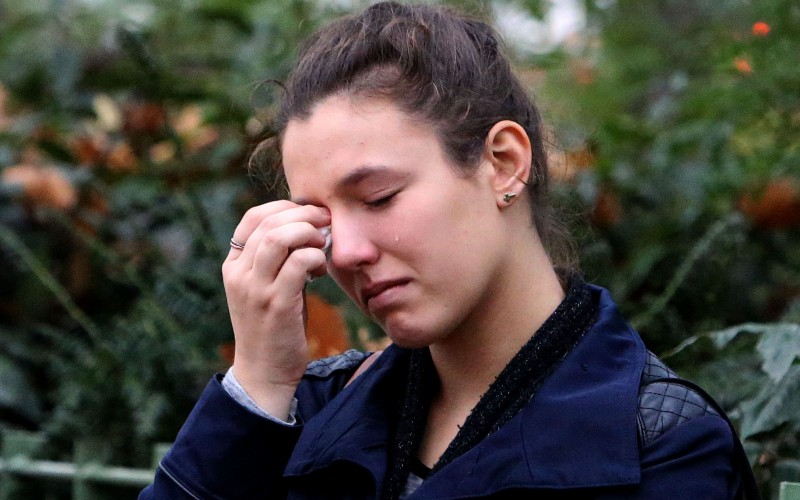
Catholic leaders around the world condemned terrorist attacks in Paris and Beirut, offering prayers and condolences. "The time has come for the world to stand united against terrorism and to confront the reasons of terrorism, such as feelings of oppression, hatred, bad education and fanaticism, with no double standards,” said the Jerusalem-based Assembly of Catholic Bishops of the Holy Land.
They called for a unification of “forces of good” and “countries and followers of all religions against violence, which hits the world with increased brutality.” Otherwise, they said, it will hit everyone “sooner or later.” “We express our full solidarity with the French and Lebanese peoples and with the victims of terrorism and their families in Paris and Beirut and worldwide,” they said. “We pray to the almighty for healing the wounded and consoling those who are grieving,” they added. “We pray also for terror preachers and promoters so they backtrack and regret what they do.” In Beirut, the Assembly of Catholic Patriarchs and Bishops in Lebanon concluded its meeting on November 14, a day after multiple terror attacks in Paris left at least 129 people dead and wounded hundreds more and two days after a twin suicide bombing in Beirut’s southern suburbs killed at least 46 people and wounded more than 200. Islamic State claimed responsibility in both cases.

Population Movements to Keserwan - The Khazens and The Maans
ما جاء عن الثورة في المقاطعة الكسروانية
ثورة أهالي كسروان على المشايخ الخوازنة وأسبابها
Origins of the "Prince of Maronite" Title
Growing diversity: the Khazin sheiks and the clergy in the first decades of the 18th century
Historical Members:
Barbar Beik El Khazen [English]
Patriach Toubia Kaiss El Khazen(Biography & Life Part1 Part2) (Arabic)
Patriach Youssef Dargham El Khazen (Cont'd)
Cheikh Bishara Jafal El Khazen
Patriarch Youssef Raji El Khazen
The Martyrs Cheikh Philippe & Cheikh Farid El Khazen
Cheikh Nawfal El Khazen (Consul De France)
Cheikh Hossun El Khazen (Consul De France)
Cheikh Abou-Nawfal El Khazen (Consul De France)
Cheikh Francis Abee Nader & his son Yousef
Cheikh Abou-Kanso El Khazen (Consul De France)
Cheikh Abou Nader El Khazen
Cheikh Chafic El Khazen
Cheikh Keserwan El Khazen
Cheikh Serhal El Khazen [English]
Cheikh Rafiq El Khazen [English]
Cheikh Hanna El Khazen
Cheikha Arzi El Khazen
Marie El Khazen