theglobeandmail.com
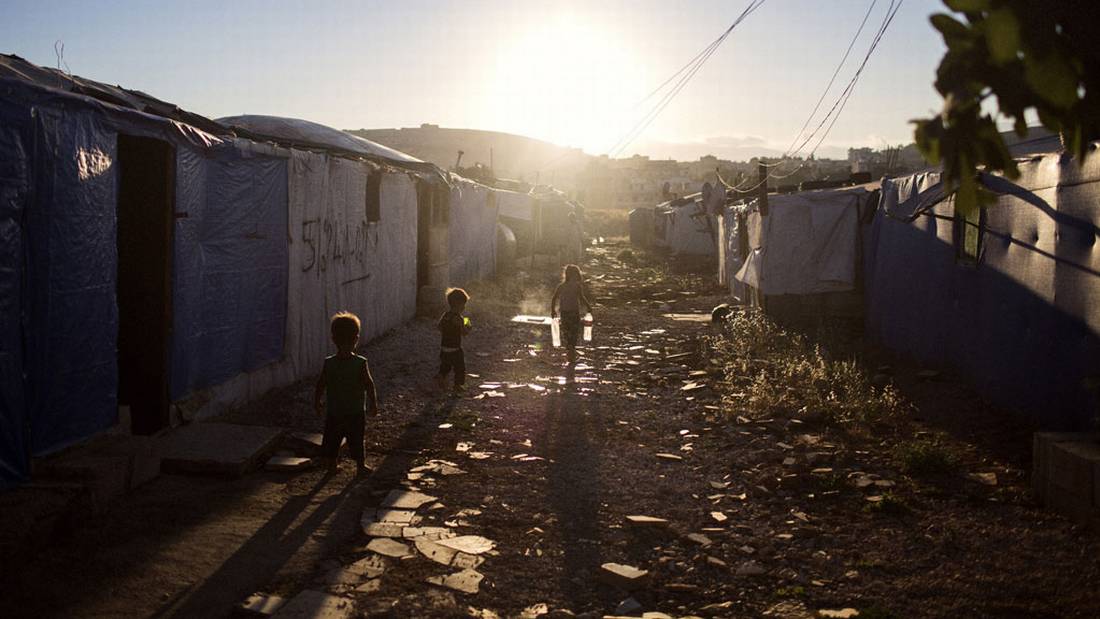
It's like a prison,” Akaber Mohammed says of her family’s life as refugees in Lebanon. “No, it’s a coffin,” her husband, Khaled al-Lawz, counters. “And I’m suffocating inside it.”
Even before the Paris attack, the 1.1 million registered Syrian refugees in Lebanon – many of whom are among the poorest of those fleeing their homeland’s civil war – lived in an increasingly precarious limbo. Now, the bloodshed unleashed in France by Islamic extremists is deepening European fears of Muslims and threatening to create an atmosphere even less welcoming for those fleeing war in the Middle East.
by
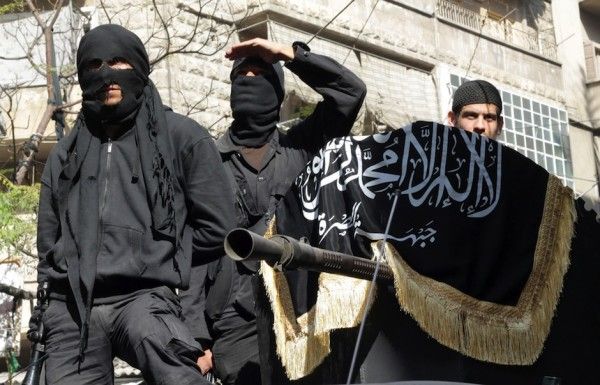
The Al-Qaida linked al-Nusra Front has demanded control over two towns held by the Syrian regime near Lebanon and the release of five women from Lebanese jails in return for freeing the captive Lebanese servicemen, a spokesman for the families of the Lebanese hostages said on Monday.
“Al-Nusra’s emir in Syria’s Qalamoun, Abou Malek al-Talli, has sent a new demand with the families who visit their sons every now and then in the vicinity of (the Lebanese border town of) Arsal,” Hussein Youssef, the father of captive soldier Mohammed Youssef, told Turkey’s state news agency Anatolia.
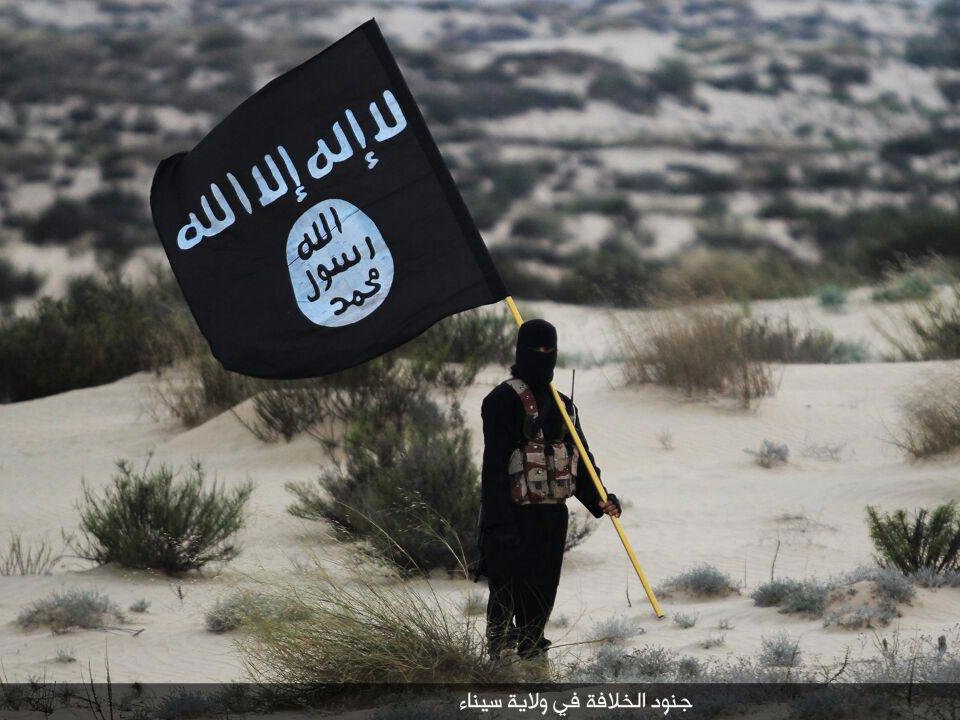
As ISIS loses ground in the Middle East, it might step up attacks on foreign countries in order to create the perception that it is winning, experts say.
The Friday-night attacks in Paris, in which terrorists killed 129 people and injured hundreds more as they took hostages, detonated suicide vests, and shot people across the city, could have been a move to distract from the losses ISIS (also known as the Islamic State) has taken in its core base of support.
"If an extremist group that has seized territory starts to lose it, it will be highly incentivized to turn to terrorist operations that allow for maximizing effects at a lower cost," Clint Watts, a fellow at the Foreign Policy Research Institute and former Army infantry officer, wrote for War on the Rocks.
By Sara Hussein AFP
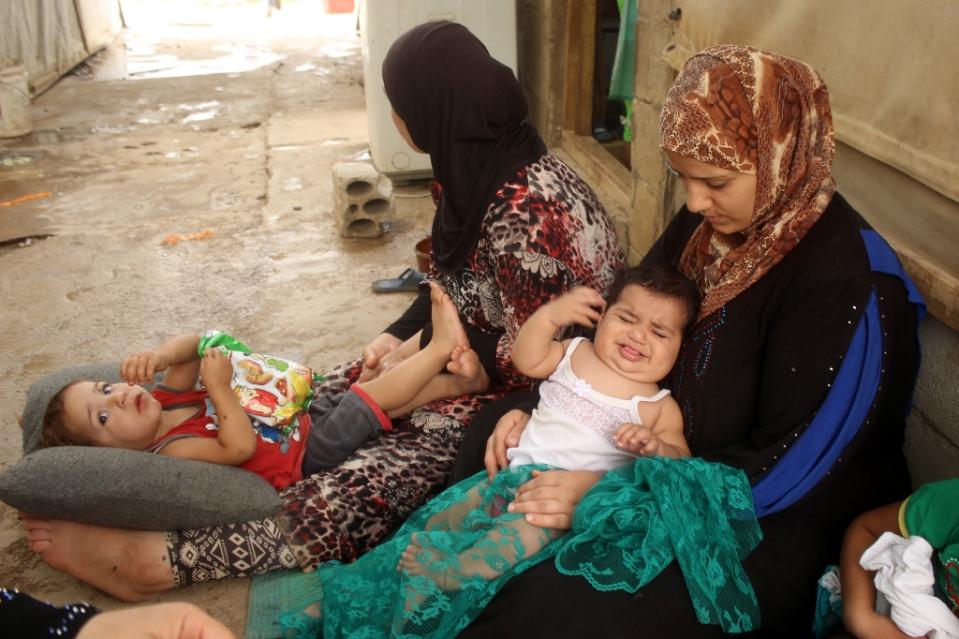
Taybeh (Lebanon) (AFP) - In a tent in Lebanon's Bekaa Valley, Sanaa al-Absi extracts a condom from its wrapper in front of a group of giggling Syrian refugee women and begins explaining its use.
It is the first time some of the women have seen the contraceptive, which they are learning about as part of a rare programme teaching Syrian refugees family planning in Lebanon.
The subject is a sensitive one, strewn with cultural, religious and even political landmines.
In much of the Middle East, large families are seen as a blessing from God, and contraception is regarded with scepticism or outright hostility.
And in Lebanon, where an influx of 1.1 million Syrian refugees has strained resources and tempers, family planning can be misconstrued as a way to stem the growth of the displaced population.
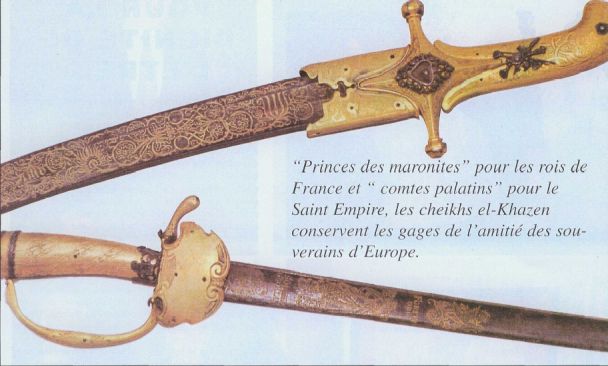

Population Movements to Keserwan - The Khazens and The Maans
ما جاء عن الثورة في المقاطعة الكسروانية
ثورة أهالي كسروان على المشايخ الخوازنة وأسبابها
Origins of the "Prince of Maronite" Title
Growing diversity: the Khazin sheiks and the clergy in the first decades of the 18th century
Historical Members:
Barbar Beik El Khazen [English]
Patriach Toubia Kaiss El Khazen(Biography & Life Part1 Part2) (Arabic)
Patriach Youssef Dargham El Khazen (Cont'd)
Cheikh Bishara Jafal El Khazen
Patriarch Youssef Raji El Khazen
The Martyrs Cheikh Philippe & Cheikh Farid El Khazen
Cheikh Nawfal El Khazen (Consul De France)
Cheikh Hossun El Khazen (Consul De France)
Cheikh Abou-Nawfal El Khazen (Consul De France)
Cheikh Francis Abee Nader & his son Yousef
Cheikh Abou-Kanso El Khazen (Consul De France)
Cheikh Abou Nader El Khazen
Cheikh Chafic El Khazen
Cheikh Keserwan El Khazen
Cheikh Serhal El Khazen [English]
Cheikh Rafiq El Khazen [English]
Cheikh Hanna El Khazen
Cheikha Arzi El Khazen
Marie El Khazen